


Monochrome Engraving Print
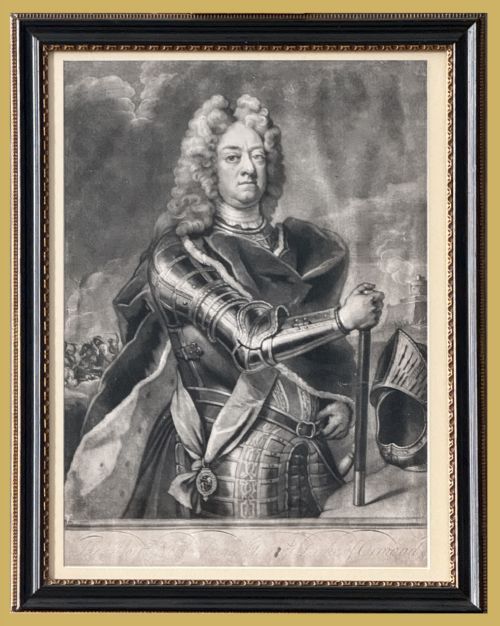
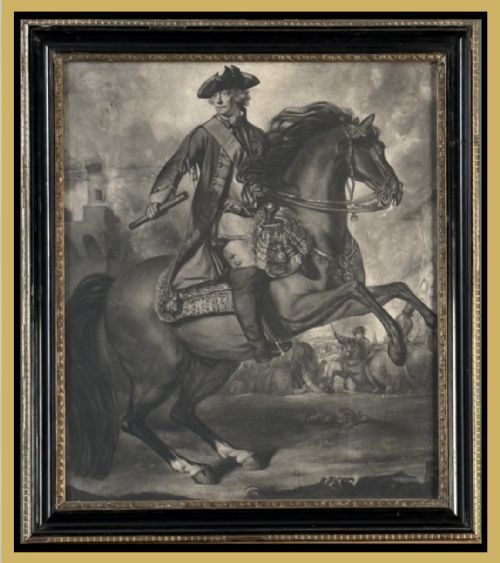
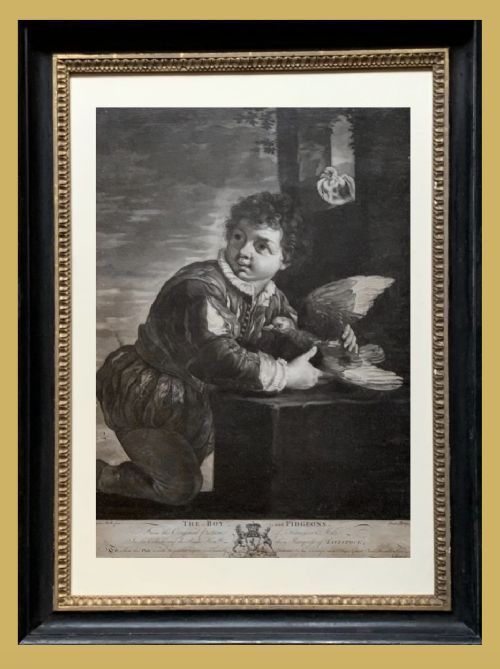
Monochrome engraving print works capture historical portraiture, classical antiquity and fine animal studies through detailed ink impressions on paper.
Monochrome Engraving Print
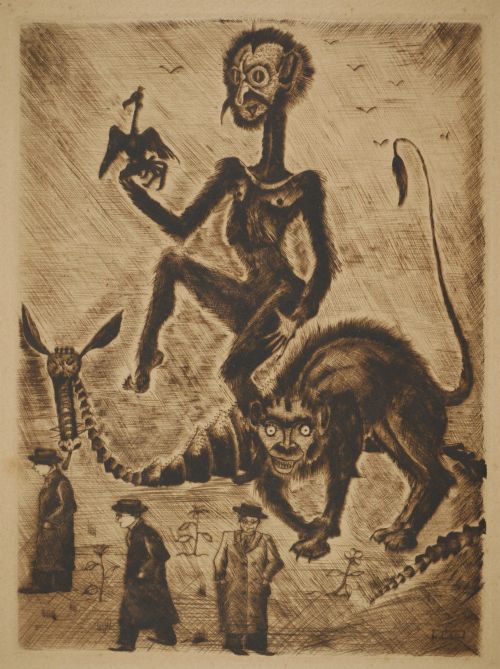
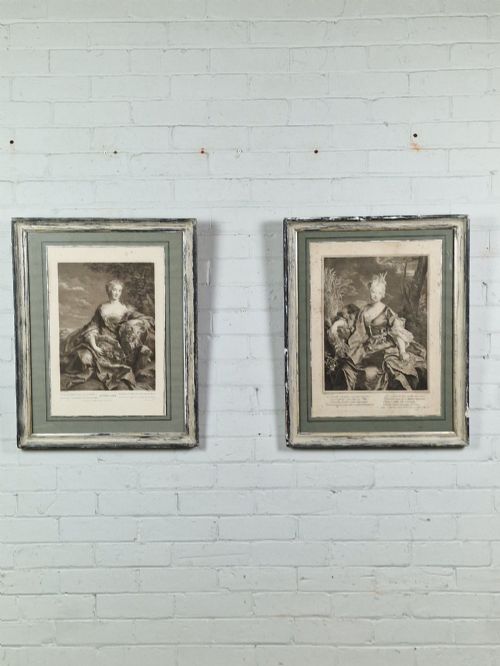
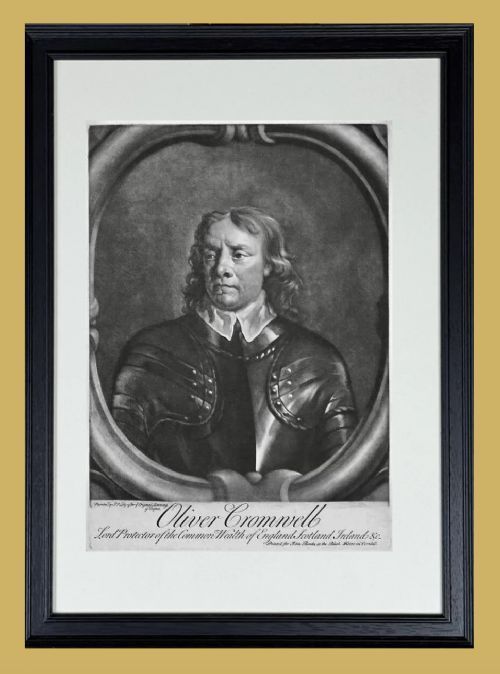
A monochrome engraving print embodies centuries of graphic art, spanning from seventeenth-century portraiture to twentieth-century animal etchings.
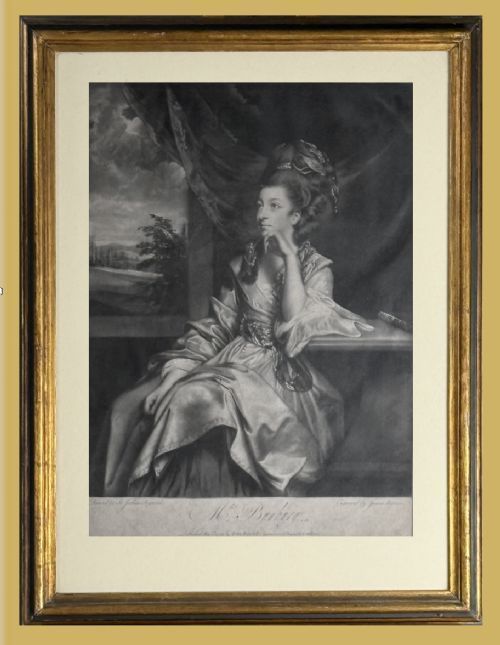
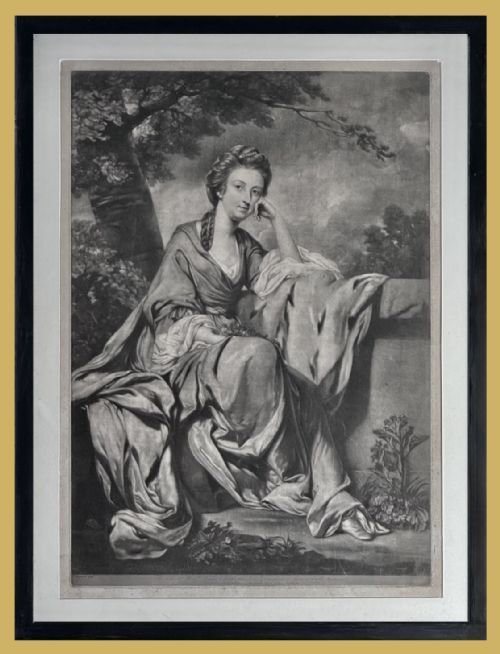
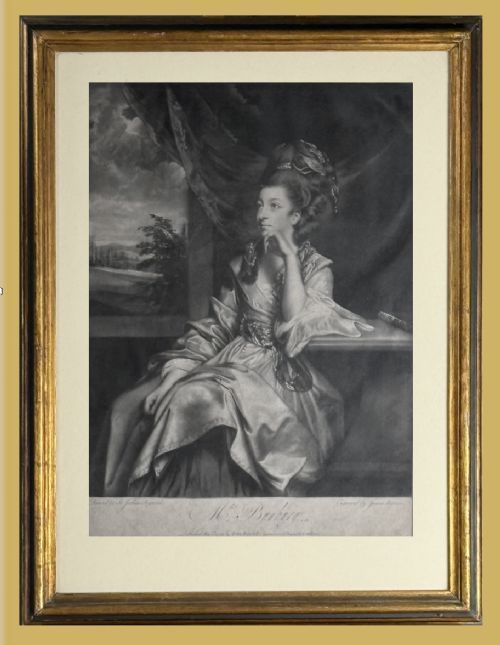
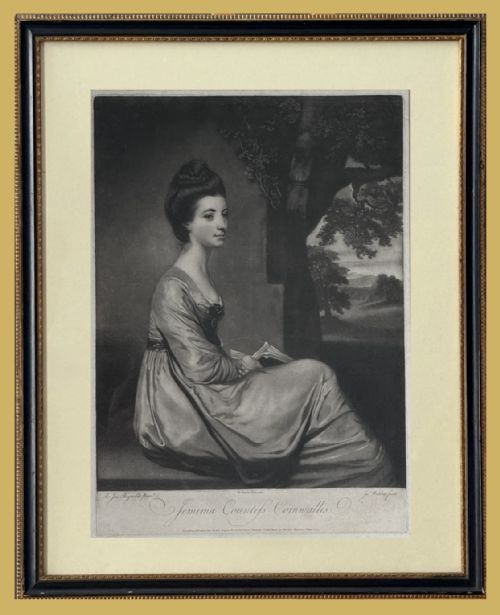
Buyers encounter numerous eighteenth-century mezzotints translating oil paintings by prominent portraitists into rich ink gradations on paper.
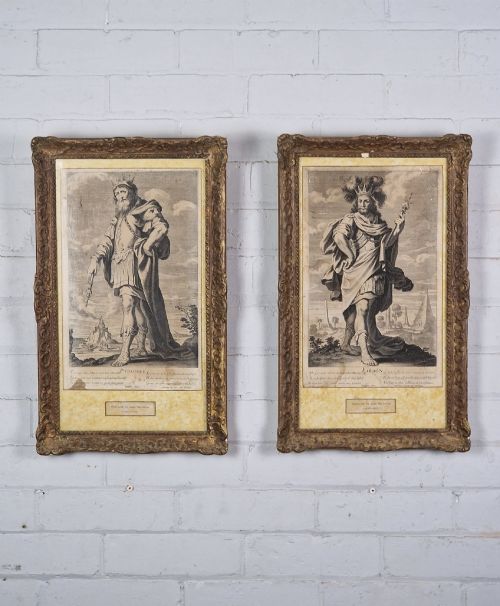
The selection ranges from classical architectural plates and anatomical studies to dramatic figurative scenes framed in wood and glass.
Materials and production techniques
These works rely on paper surfaces marked by dark ink, often framed behind glass within traditional oak or gilt wood mouldings.
Engravers and mezzotinters utilised metal plates, scoring lines or roughening surfaces to hold ink, sometimes accented with gold leaf details.
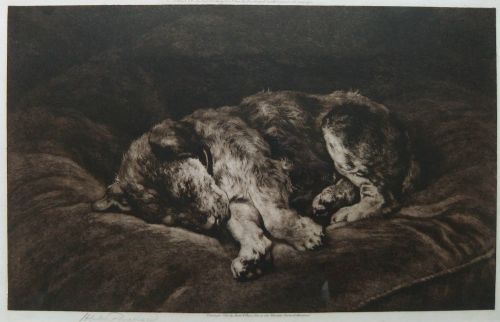
Several dogs appear immortalised in detailed twentieth-century etchings, watching quietly from their vintage frames.
Defining quality in printed works
Quality rests upon the crispness of the ink impression and the depth achieved in tonal transitions across the paper.
Early strikes from a metal plate retain finer details than later impressions where the engraved lines have softened through repeated printing.
John Smith·James Watson·Edward Fisher·Herbert Dicksee·Valentine Green
The Monochrome Engraving Print Glossary
- Mezzotint
- A printmaking process where the copper plate is roughened to produce dark backgrounds and subtle tonal gradations.
- Etching
- A technique utilising acid to cut lines into a metal plate for holding printing ink.
- Drypoint
- A method of drawing directly onto a metal plate with a sharp needle, creating a distinct velvety line in the printed ink.
- Plate mark
- The indentation left on the paper by the edge of the printing plate under pressure.
Monochrome Engraving Print: Frequently Asked Questions
How should I frame an antique print?
Protect the paper behind glass using acid-free mounts to prevent direct contact with the glazing material.
Traditional oak or gilt frames complement the period aesthetic of these monochrome works.
What is the difference between an engraving and a mezzotint?
Engravings rely on precise lines cut directly into a metal plate with a burin.
Mezzotints build up rich fields of tone and shadow by roughening the entire plate surface.
How do I care for antique paper art?
Keep prints away from direct sunlight to prevent the ink and paper from fading over time.
Maintain stable indoor humidity levels to protect the paper substrate from moisture damage.
Are these works original period pieces?
The inventory comprises works printed during their stated historical periods using traditional intaglio techniques.
Examination of the paper and plate marks helps confirm the age of each individual impression.