
Monochrome Art Sketch
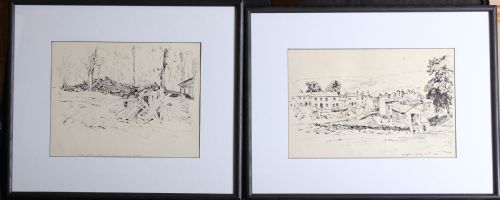
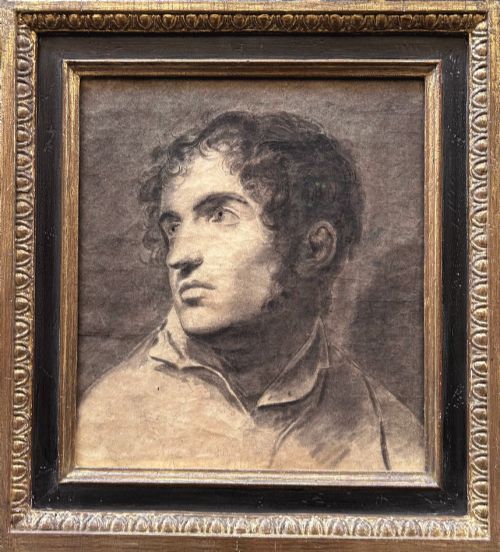
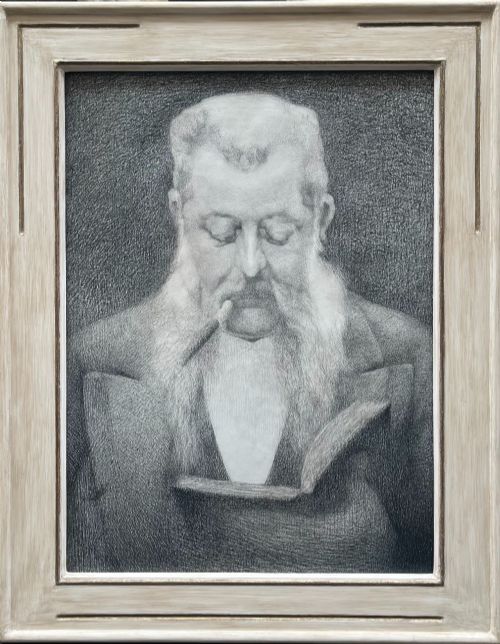
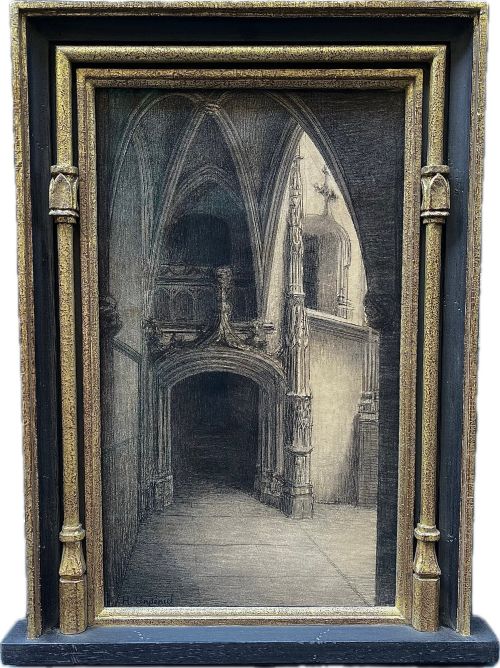
When you search for monochrome art sketch, you discover original works on paper captured in charcoal, graphite, ink, and wash across multiple centuries.
Monochrome Art Sketch
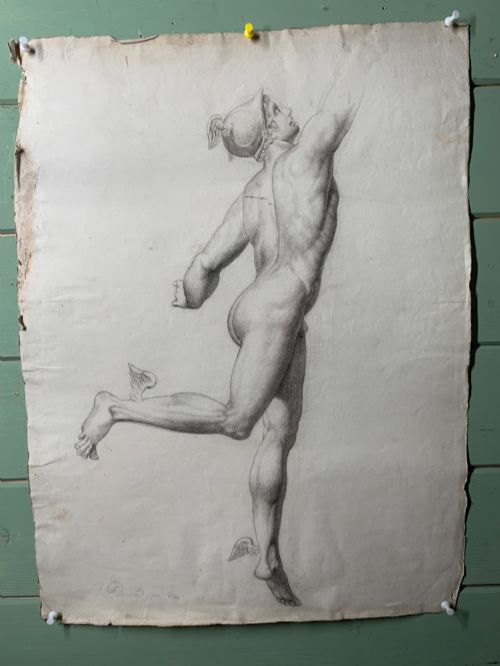
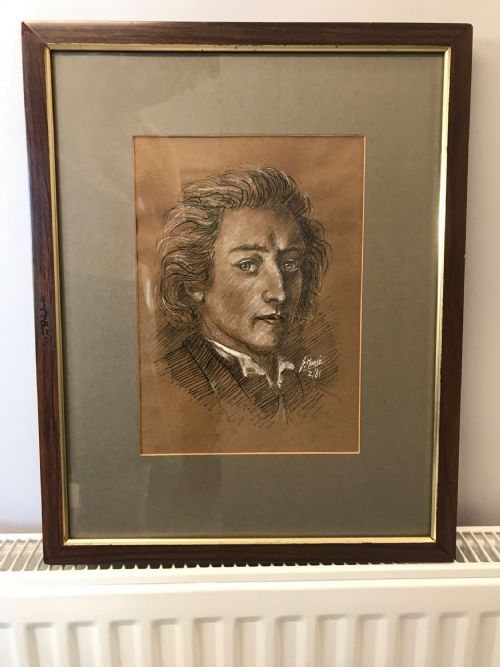
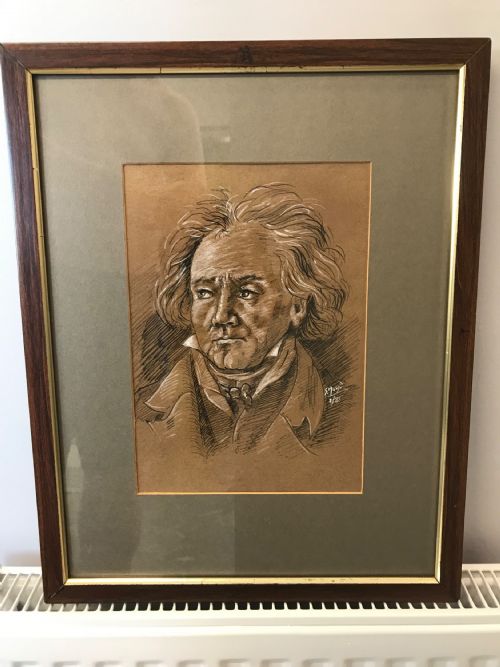
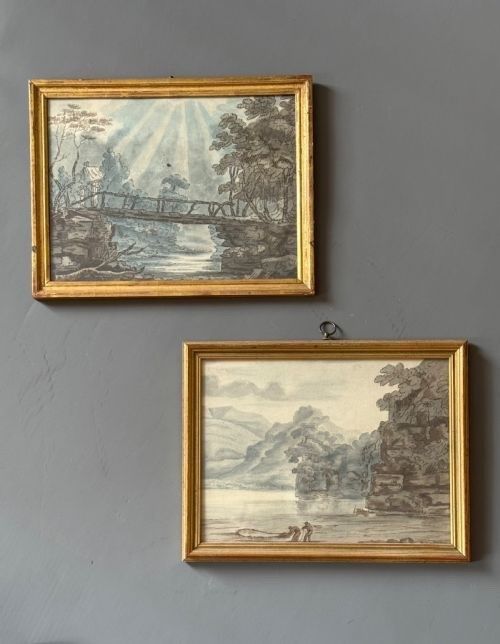
Monochrome art sketch examples on this page encompass original framed drawings, wall art, and academic studies executed primarily on paper. The selection spans centuries from the Georgian period through the nineteenth and twentieth centuries up to later than 1960.
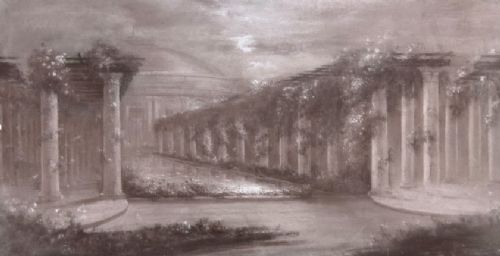
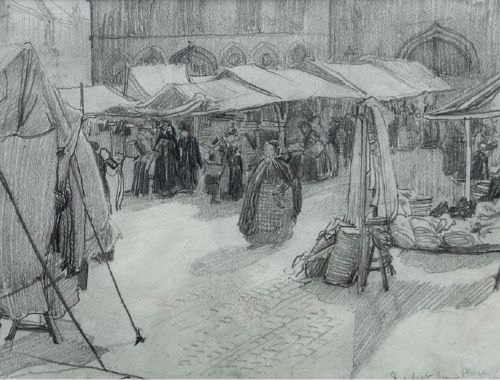
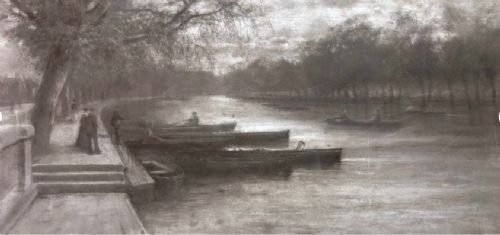
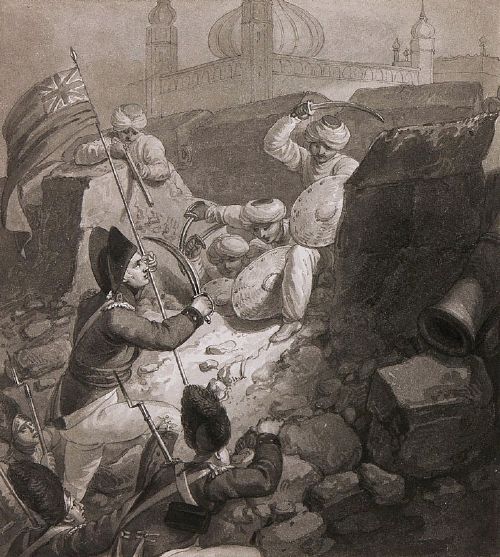
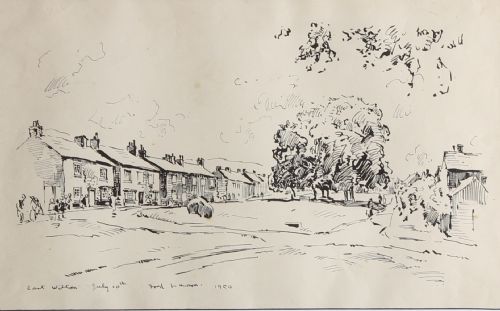
Buyers encounter landscape views, architectural renderings, figure studies, and portraits attributed to named artists and various schools. These works range from intimate pencil sketches of natural subjects to detailed historical battle scenes and architectural drawings.
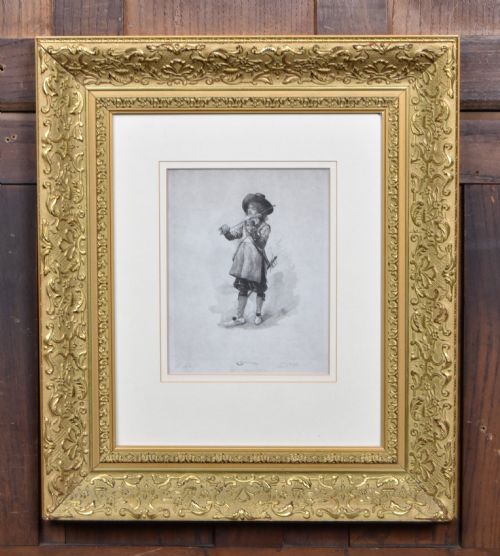
The most common formats comprise works framed behind glass, mounted on stretchers, or presented as individual sheets of original artwork. Pieces often reveal influences from specific movements such as academic realism, Gothic revival, and early twentieth-century British art.
Materials and technique
The works utilise paper as the primary support, occasionally attached to canvas stretchers or preserved behind glass. Pigments and mediums rely on charcoal, graphite, pencil, ink, and wash applied with varying degrees of precision.
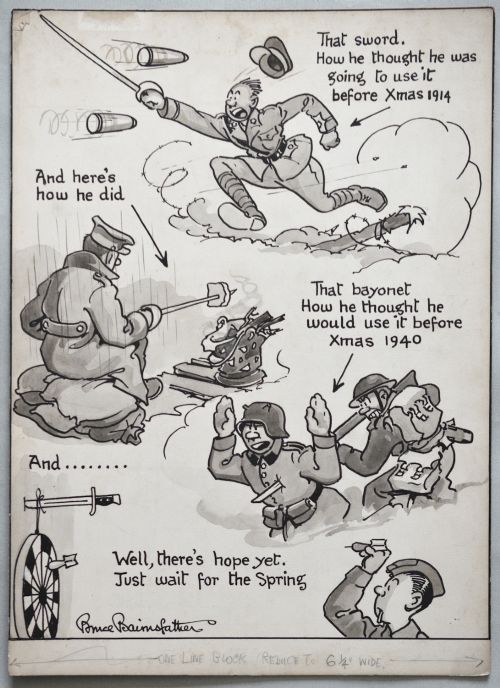
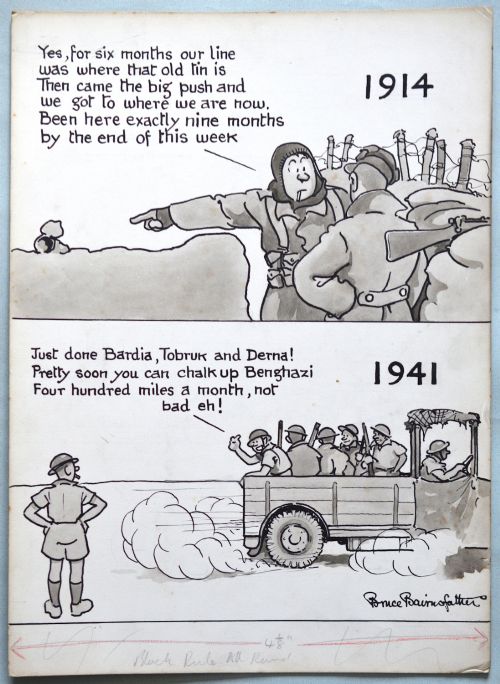
Artists combined these dry and wet mediums to achieve tonal depth, utilising monochrome palettes of grey, black, and brown. Wash and gouache accents sometimes appear alongside ink or pencil lines to create shadow and volume in portraits and landscapes.
Listings feature works on paper spanning the eighteenth, nineteenth, and twentieth centuries, executed in pencil, charcoal, ink, and wash.
What varies in quality
Execution and draughtsmanship set individual examples apart, distinguishing rapid studio studies from finished academic life drawings or signed works by established artists. The handling of line, shadow, and tonal gradation reveals the underlying skill of the hand.
Preservation of the paper support and the medium influences the overall integrity of the piece, particularly where charcoal or graphite is susceptible to smudging. The clarity of signatures, dated inscriptions, and framing provenance contribute to the standing of each individual work.
Henry Percy Huggill·Bruce Bairnsfather·William Marshall Craig·Fred Lawson·Henri Charles Angéniol·Frédéric Chopin·Ludwig van Beethoven·Pablo Picasso·Dame Laura Knight·Leopold Halvoet·Henry Arthur Roberts·Sir Edwin Landseer·Pierre-Paul Prud'hon·Edward Dayes·J D Fergusson·Augustus Edwin John
The Monochrome Art Sketch Glossary
- Charcoal
- A dry drawing material made from burnt organic matter that produces rich, dark black lines and soft tonal blends.
- Wash
- A thin layer of diluted ink or watercolour applied with a brush to create transparent shadows and background tones.
- Graphite
- A form of carbon used in pencils that yields silver-grey metallic marks ranging from hard fine lines to soft broad strokes.
- Grisaille
- A painting or drawing executed entirely in shades of grey or neutral monochrome to imitate sculpture or create a monochromatic study.
Monochrome Art Sketch: Frequently Asked Questions
What is a monochrome art sketch?
A monochrome art sketch is an original work created in a single colour or neutral palette using materials such as pencil, charcoal, graphite, or ink.
These pieces focus on line, tone, and shadow without relying on a full spectrum of colour.
How were these drawings used?
Many of these drawings served as preparatory studies for larger paintings, academic exercises for students, or finished works intended for display.
Artists utilised sketchbooks and loose sheets to capture landscapes, portraits, and anatomical studies from life.
How should I frame and display paper sketches?
Paper works require framing behind glass with acid-free mounts to protect the delicate medium from dust, handling damage, and atmospheric moisture.
Positioning pieces away from direct sunlight prevents the fading of ink, pencil, and paper over time.
How do I identify the period of a drawing?
Dating relies on visible clues such as artist signatures, inscribed dates, paper watermarks, and stylistic markers associated with specific centuries.
Clothing styles, architectural subjects, and framing materials also offer contextual evidence for the era of execution.