


Modern British Landscape
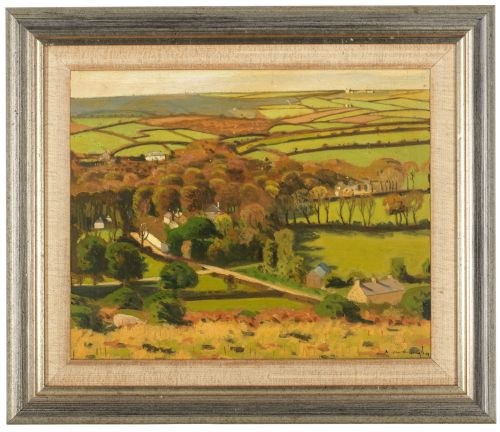
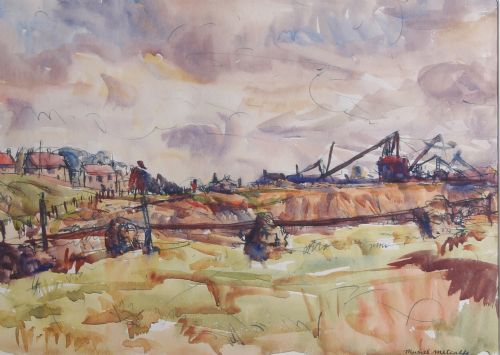
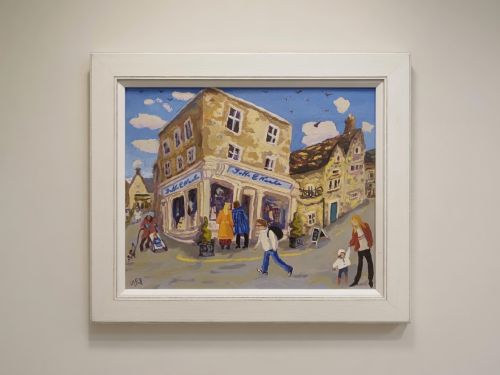
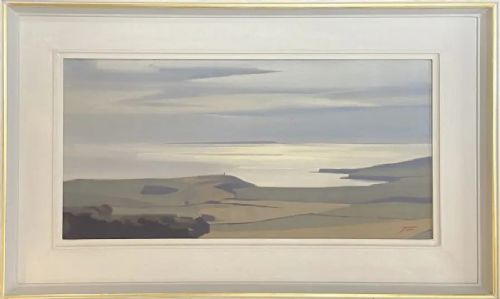
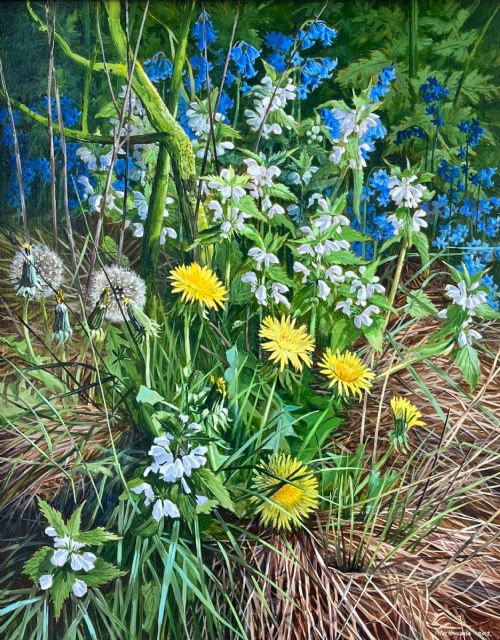
When you explore a modern british landscape, you encounter expressive views shaped by twentieth-century vision, capturing rural fields, coastal towns, and industrial scenes with distinct regional character.
Modern British Landscape
A modern british landscape represents the terrain and architecture of Britain and beyond through the lens of twentieth-century movements, spanning styles from Post-Impressionism to Mid-Century Modernism. These original works capture recognisable locations such as Welsh valleys, Yorkshire dales, Cornish harbours, and Cumbrian lakes through varied regional perspectives.
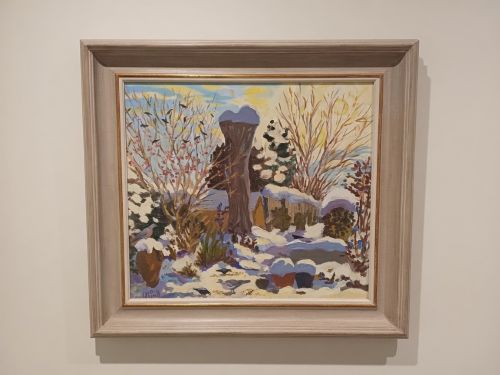
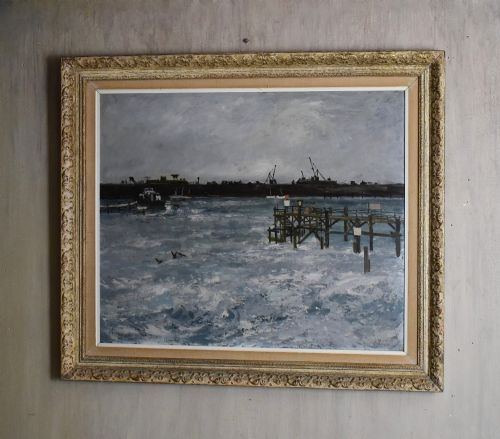
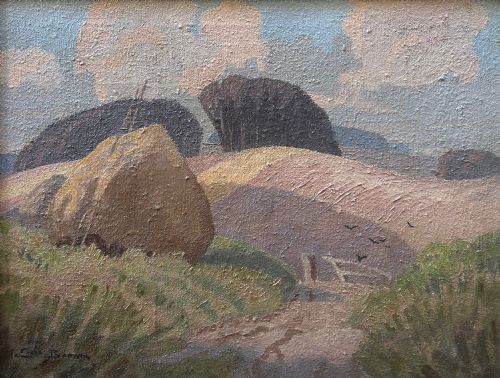
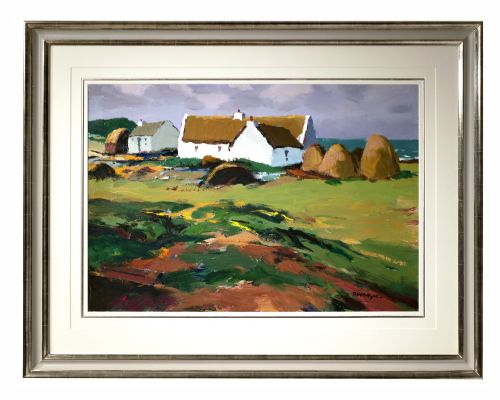
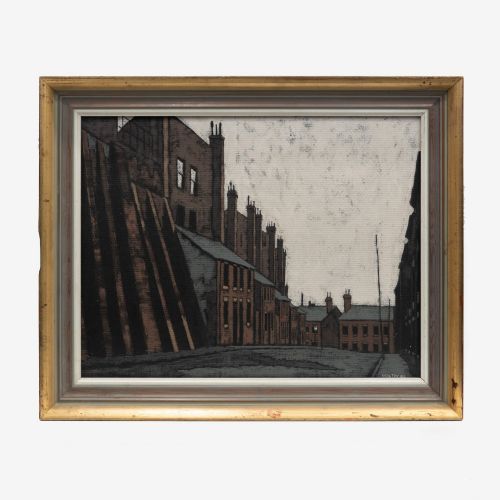
Buyers will encounter oil paintings, watercolours, and drawings executed across decades ranging from the Edwardian era through to the 1960s and later. The subjects shift from serene country haystacks and snowy farmyards to industrial factories and coastal estuaries.
The selection reflects both established names and regional artists working within British Impressionist and Modernist traditions. Each piece records a specific topography, whether through the delicate washes of a watercolour or the heavier application of impasto oil paint on canvas, board, or wood.
Materials and Technique
Artists record these scenes primarily using oil paint or watercolour applied to canvas, wood panel, board, or heavyweight paper. Oil compositions often employ textured impasto techniques to build depth, particularly in mid-century coastal and industrial subjects.
Watercolour and ink drawings rely on fluid washes and precise line work on paper to capture light and atmosphere in topographical views. Support materials vary from traditional stretched canvas to wooden panels and artist boards typical of twentieth-century studio practice.
Listings feature works spanning from the Edwardian era through the 1960s, executed in oil, watercolour, gouache, and ink.
Variations in Quality
Quality rests in the assuredness of the brushwork, the strength of the compositional structure, and how effectively the artist captures light and atmosphere. Stronger works display a confident handling of pigment and a deliberate command of colour relationships within the landscape.
Condition and originality also separate pieces, with works retaining their early framing or untouched surface textures holding greater visual integrity. The distinction lies in the artist's ability to translate a specific place into a cohesive modern interpretation rather than a mere topographical record.
Robert Morson Hughes·Muriel Metcalfe·Peter Brannan·Donald McIntyre·Stuart Walton·Ronald Ossory Dunlop·Hubert Wellington·Joan Gillchrest·Helen Layfield Bradley·Henry Charles Fox·Hazel M Barnett·Fred Lawson·Edward Seago·Jeffrey Pratt·Sir William George Gillies·Claude Muncaster·Ernest Higgins Rigg·Sonia Lawson·Nora Munro Summers·Hermoine Hammond·Norman Janes
The Modern British Landscape Glossary
- Impasto
- Paint applied thickly to a canvas or board, standing out in relief from the surface and catching the light. This technique adds tactile dimension to skies, water, and foliage in mid-century oils.
- Watercolour
- A painting method where fine pigment is suspended in a water-soluble binder, traditionally applied to paper. It allows for translucent washes of colour that capture delicate atmospheric effects.
- Wood Panel
- A rigid wooden support used instead of canvas for painting, frequently utilised by artists working in the early and mid-twentieth century. Panels provide a firm, stable surface for detailed or impasto brushwork.
- Modern British
- An umbrella term for art produced in Britain during the twentieth century that engaged with European modernist movements while retaining a distinct national character. It encompasses styles from impressionism to early abstraction.
- Gouache
- An opaque water-based paint that includes a white pigment filler, resulting in solid, matte areas of colour on paper. Artists use it to achieve vibrant, graphic qualities in landscape studies.
Modern British Landscape: Frequently Asked Questions
What defines a modern british landscape painting?
These works capture scenery through twentieth-century stylistic approaches, moving beyond strict academic realism into impressionist or modernist interpretations.
They reflect how artists across different decades observed rural, coastal, and industrial environments using varied mediums.
How should I care for a watercolour landscape?
Works on paper require protection from direct sunlight and high humidity to prevent fading and paper degradation.
Displaying them behind conservation glass helps preserve the delicate pigments used by the artist.
How can I identify the date of a landscape?
Dates are often established through artist signatures, exhibition records, stylistic markers, and annotations on the reverse of the canvas or board.
Materials such as specific types of artist boards and framing styles also offer clues to the period of creation.
Where were these landscape scenes usually painted?
Artists painted across diverse British locations, including Welsh valleys, Yorkshire dales, Cornish fishing villages, and Cumbrian lakes.
Many works also document specific towns, rural lanes, and industrial estuaries across the country.