




Mixed Metal Vessel
A mixed metal vessel brings together contrasting tones of bronze, copper, and silver to create layered surface detail.
Mixed Metal Vessel
A mixed metal vessel combines different metallic elements to create striking contrast and ornamentation. When searching for a mixed metal vessel, collectors encounter both Japanese decorative arts and utilitarian English kitchenware from the nineteenth century. These objects range from delicate brush pots to large preserving pans.
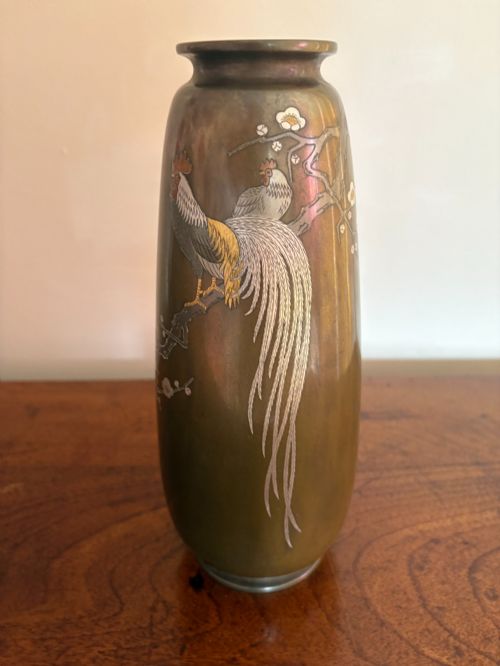
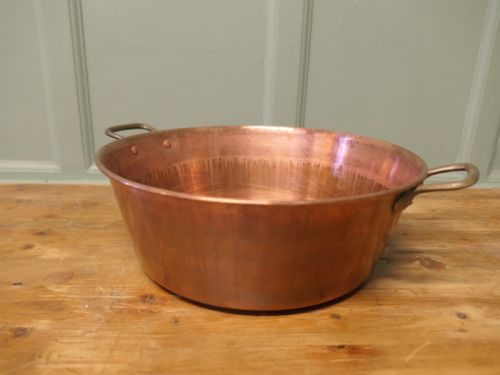
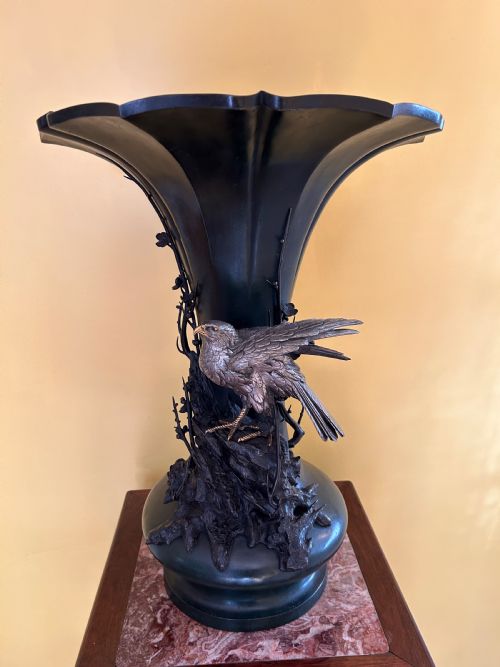
Japanese examples from the Meiji period frequently feature inlaid bronze bodies accented with silver and gold details depicting birds and florals. In contrast, British nineteenth century pieces focus on functional forms like copper jam pans, grain measures, and cream setting pans. Victorian revival pieces also appear, notably in brass and mixed metal cairoware bowls.
The nineteenth century dominates the timeline of available pieces, spanning from eighteen sixty through the early nineteen hundreds. Buyers select these items either for their intricate decorative metalwork or for their substantial, honest utility in copper and brass. Each form reflects the specific manufacturing priorities of its origin, whether artistic expression or domestic production.
How they were made
Craftsmen utilised bronze and copper as the primary structural foundations for these items, shaping them through casting or heavy hammering. Surface decoration on Japanese pieces involved inlaying contrasting metals directly into the bronze substrate to form raised floral and animal motifs. English utilitarian pans relied on visible dovetail or folded seams beaten out by hand from sheet copper.
Gilt metal and brass accents provided secondary highlights on decorative vessels, while iron appeared in structural handles and bands. Artisans finished these surfaces through patination, polishing, or leaving the beaten metal texture exposed to show the marks of production. This combination of structural metalwork and surface enrichment defines the construction methods across all periods.
Grain measures served strictly as dry volume tools, yet today their heavy copper walls happily retire holding walking sticks by the front door.
What varies in quality
Quality in these pieces rests upon the precision of the metalwork and the complexity of the surface ornamentation. Finer decorative examples demonstrate meticulous inlay work where contrasting metals sit flush and secure within the bronze ground. Utilitarian pieces are judged by the heaviness of the gauge and the integrity of the original construction.
The depth and clarity of raised floral and bird details separate standard decorative pieces from exceptional ones. Heavier gauge copper in domestic pans indicates superior durability and better survival through generations of use. The harmony between the base metal and the applied contrasting elements dictates the visual success of the piece.
KANASAWA
The Mixed Metal Vessel Glossary
- Meiji Period
- The era in Japanese history spanning from eighteen sixty-eight to nineteen twelve. This timeframe produced highly detailed bronze and mixed metal decorative arts.
- Cairoware
- Metalwork produced in the Middle Eastern style, often in brass with mixed metal inlay. Victorian interpretations of this aesthetic appear in nineteenth century decorative bowls.
- Brush Pot
- A cylindrical vessel traditionally used in East Asia for holding writing brushes. These items often showcase intricate bronze and mixed metal surfaces.
- Preserving Pan
- A wide, shallow domestic pan used for boiling fruit and jam. These functional items are typically hammered from heavy nineteenth century copper.
- Patina
- The surface sheen and colour acquired by metal through age and handling. A natural patina enhances the visual depth of copper and bronze.
Mixed Metal Vessel: Frequently Asked Questions
What is a mixed metal vessel?
A mixed metal vessel is an object constructed from more than one metallic element, such as bronze inlaid with silver, gold, and copper. These pieces range from decorative Japanese vases to utilitarian British copper pans.
Collectors encounter both highly ornamented artistic works and heavy domestic kitchenware from the nineteenth century under this description.
How do I clean copper and bronze?
Cleaning depends entirely on whether the surface has an intentional historic patina or if it is functional kitchenware. Preserving pans often benefit from polishing, while antique bronze with delicate inlays should remain undisturbed.
Aggressive cleaning agents can ruin delicate surface inlays and remove desirable aged patinas on decorative Meiji period pieces.
Are nineteenth century pans safe to use?
Nineteenth century copper pans were typically lined with tin for food safety during cooking. Over long periods, this lining wears down and exposes the raw copper underneath.
Buyers intending to cook with antique pans must check the interior lining condition before use, though many choose to display them instead.
How do I identify Meiji period bronze?
Meiji period bronze works date from eighteen sixty-eight to nineteen twelve and frequently feature distinct Japanese artistic motifs. Look for raised detail work depicting birds and florals alongside multi-metal inlays.
These decorative vessels often take the form of vases and brush pots rather than functional European household items.