
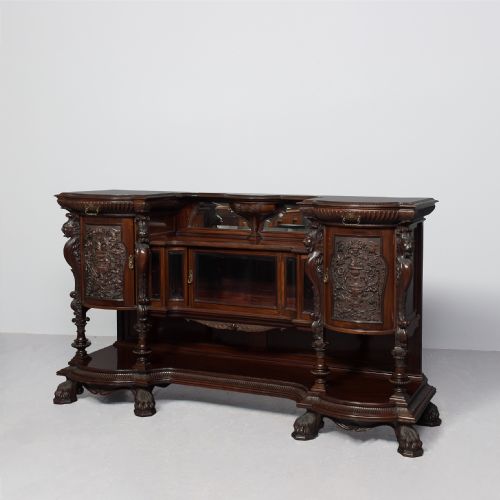
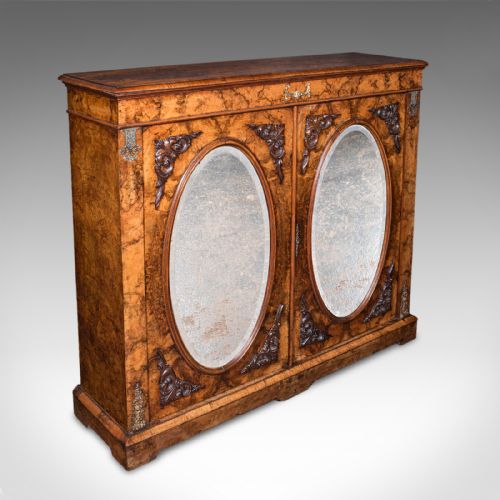
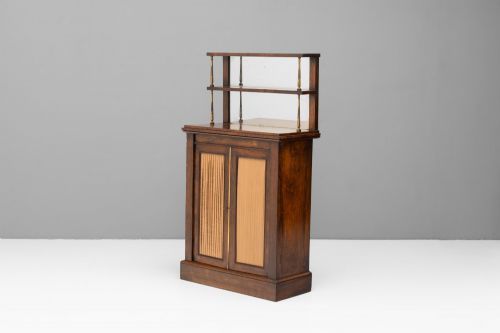
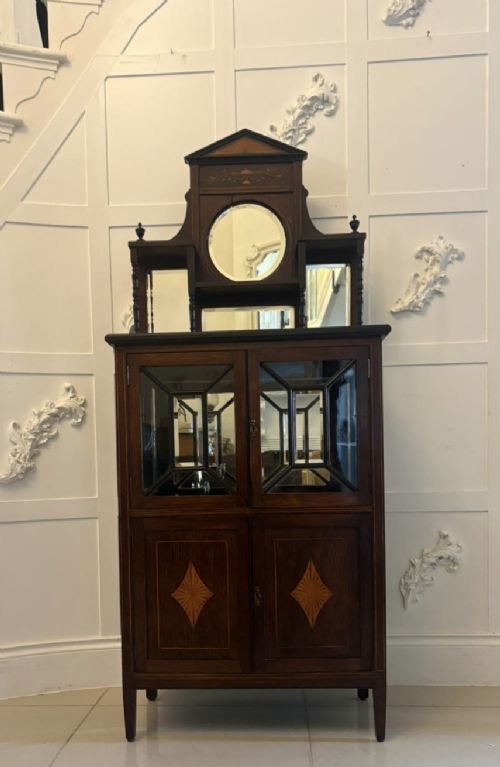


Mirrored Display Cupboard
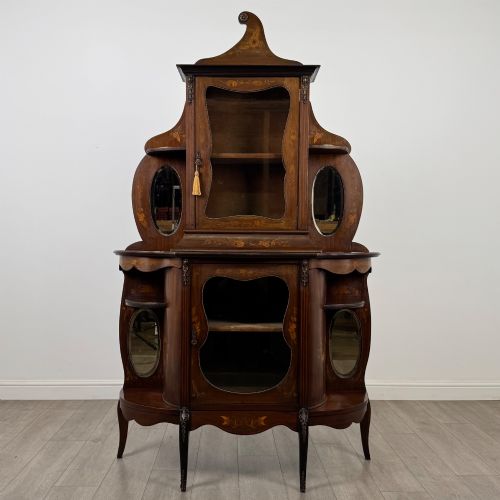
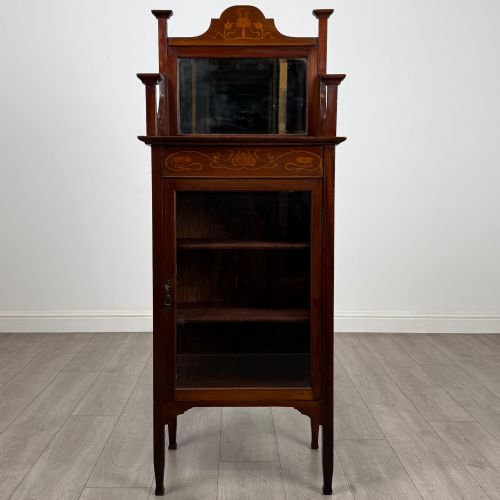
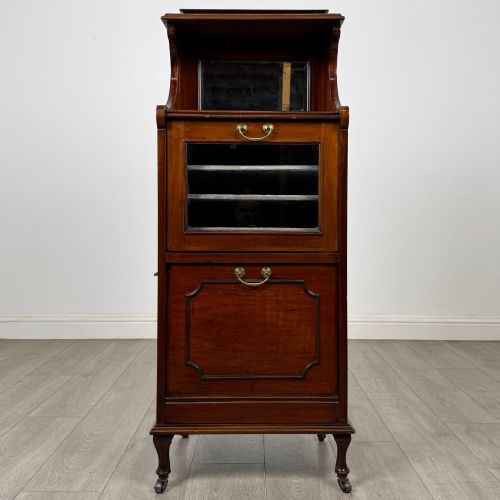
A mirrored display cupboard brings reflective depth and curated storage to a room, catching the light while holding porcelain or glass behind glazed doors.
Mirrored Display Cupboard
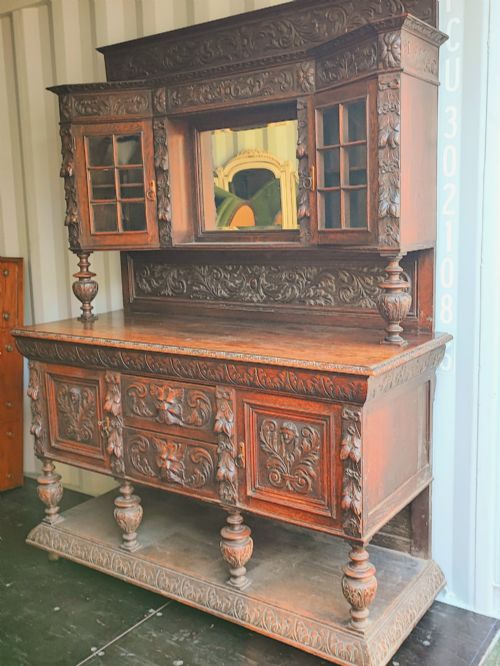
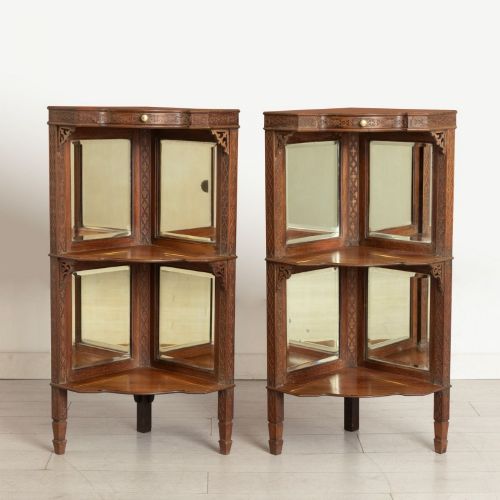
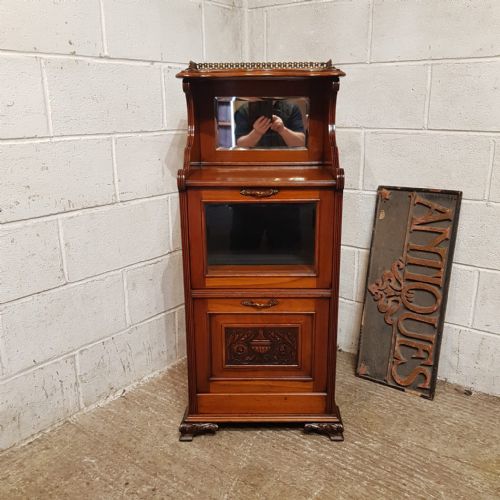
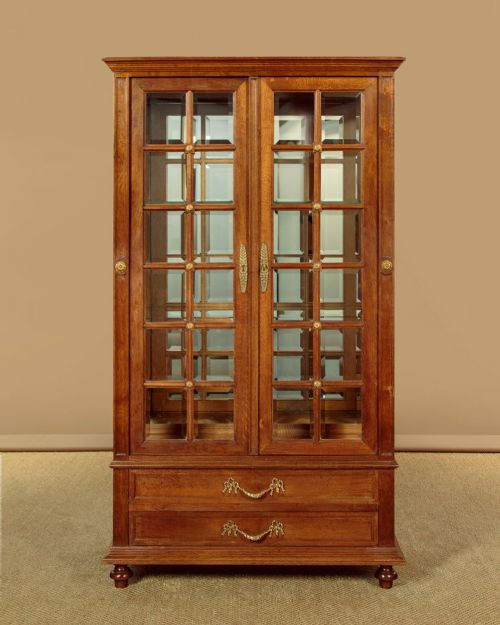
A mirrored display cupboard combines enclosed shelving for storage with glazed doors and reflective mirror backs designed to showcase objects from multiple angles. When searching for a mirrored display cupboard, buyers encounter forms ranging from compact wall-mounted cabinets to tall corner units and substantial sideboards.
The pieces span periods from the nineteenth century through the Edwardian era and 1910, reflecting shifts in interior taste from heavy carved oak to refined mahogany and exotic veneers. Most examples on offer lean towards Edwardian and Victorian iterations, frequently featuring inlaid woodwork and specialised internal shelving.
How they were made
Cabinet makers constructed these pieces primarily using solid timbers and secondary pine carcasses, applying choice veneers such as mahogany, walnut, rosewood, and satinwood to primary surfaces. Brass hardware, leaded glass, and gilt mounts frequently accent the timber frames.
Techniques relied on traditional joinery combined with decorative surface treatments, including marquetry inlay, intricate wood carving, and polished French polish finishes. Glass panels and silvered mirror plates were fitted directly into doors or secured behind carved wooden framing.
The inventory spans the Regency period, Victorian era, Aesthetic Movement, Arts & Crafts, and Edwardian decades.
What varies in quality
Quality rests in the selection of figured timber veneers, the crispness of hand-carved details, and the precision of inlaid marquetry work across the cabinet body. Pieces bearing documented workshop attributions or superior brass mountings demonstrate higher levels of original craftsmanship.
The integrity of the structural joinery, the clarity of the original mirror glass, and the sophistication of internal fittings separate standard production items from finer decorative examples.
Edwards & Roberts·Maple & Co
The Mirrored Display Cupboard Glossary
- Marquetry
- A decorative technique where small pieces of coloured wood veneer are assembled to form intricate pictorial or geometric patterns on a cabinet surface. It adds considerable visual texture to mahogany and walnut furniture.
- Vitrine
- A glass-fronted display cabinet or showcase specifically designed for exhibiting fine porcelain, glassware, or curiosities. These pieces often incorporate mirrored backs to amplify interior light.
- Chiffonier
- A low sideboard or cabinet developed during the nineteenth century, typically featuring drawers above enclosed lower cupboards. Versions often incorporate shelving and mirror backs.
- Pier cabinet
- A slender cabinet designed to stand against the narrow wall space between windows. They frequently feature glazed doors and mirrored interiors.
- Ormolu
- Gilded bronze mounts applied as decorative ornaments to furniture corners, feet, and friezes. This technique is common on fine French-influenced pieces.
Mirrored Display Cupboard: Frequently Asked Questions
What is a mirrored display cupboard?
A mirrored display cupboard is a cabinet featuring glass doors and a reflective mirror backing designed to exhibit decorative objects while bouncing light around a room.
These pieces combine functional enclosed storage with display space, appearing in formats ranging from corner units to wall-hung cabinets and substantial sideboards.
How do I identify an Edwardian cabinet?
Edwardian cabinets typically date from the period around 1900 to 1910, often displaying lighter mahogany timbers and delicate satinwood inlay work. Their designs tend to be less heavy than preceding Victorian iterations, leaning towards refined neoclassical or Sheraton revival influences.
The hardware and internal linings also reflect the manufacturing standards of the early twentieth century, distinguishing them from older nineteenth-century alternatives.
Where should I place a corner cabinet?
A corner cabinet fits neatly into empty room junctions, making efficient use of overlooked spatial areas without dominating the floor plan. They work particularly well in dining rooms or drawing rooms where they can house collections of glassware or ceramics.
Because many examples include mirrored backs and glazed panels, positioning them near a light source enhances their reflective display qualities.
How do I care for antique veneer?
Antique veneer requires protection from direct sunlight and dramatic fluctuations in temperature or humidity, which can cause the underlying glue to dry and the wood to warp or lift. Maintaining a stable indoor climate preserves the finish.
Dusting should be performed with a soft, dry cloth, avoiding modern aerosol polishes that can degrade traditional French polish surfaces over time.