

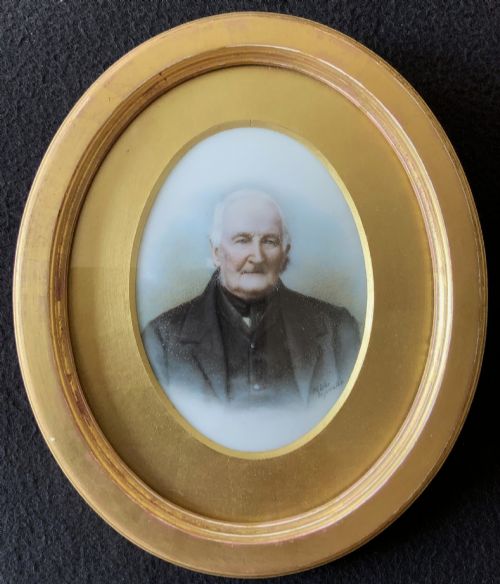
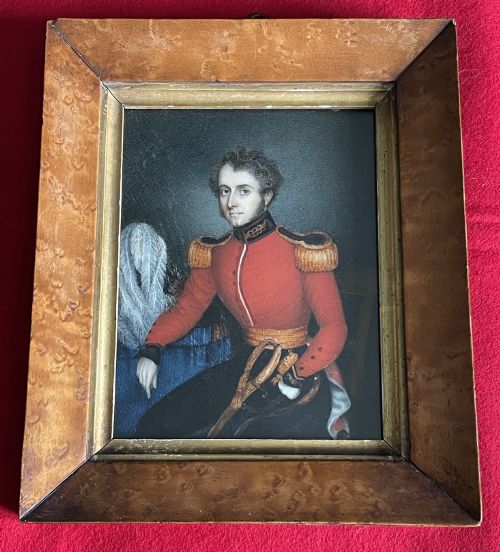
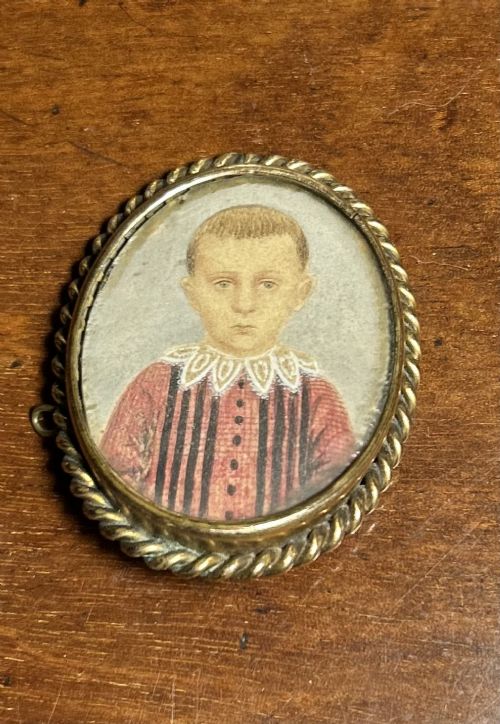
Miniature Watercolour Portrait Painting
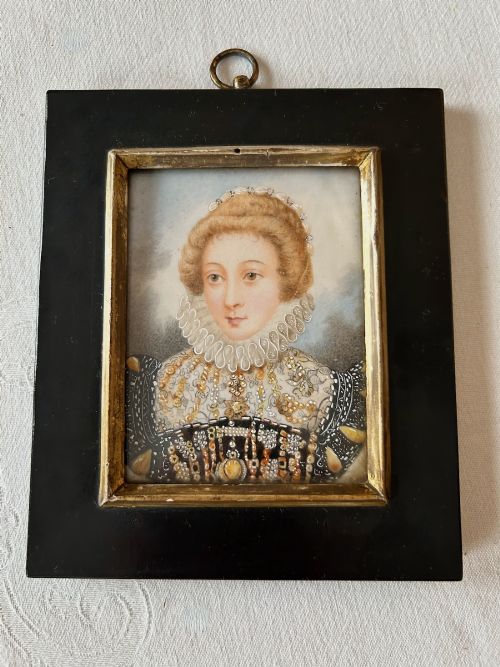
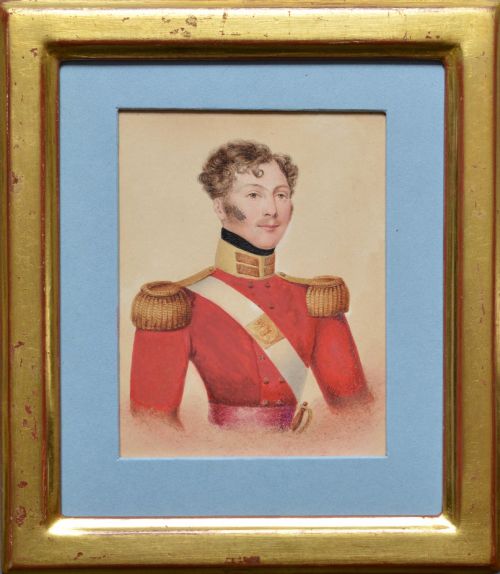
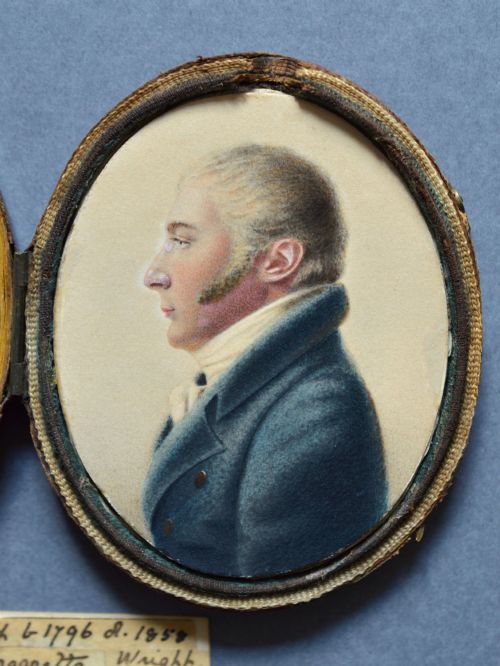
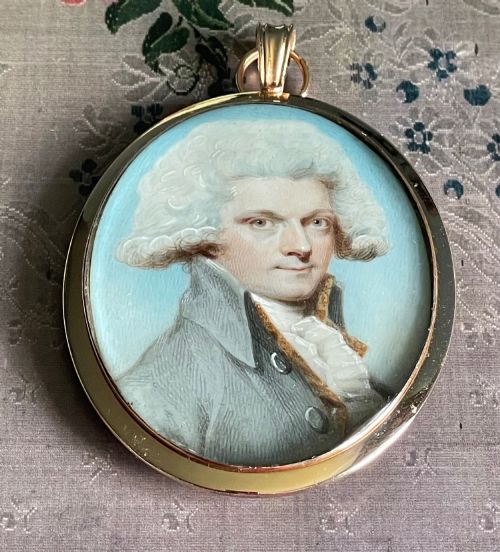
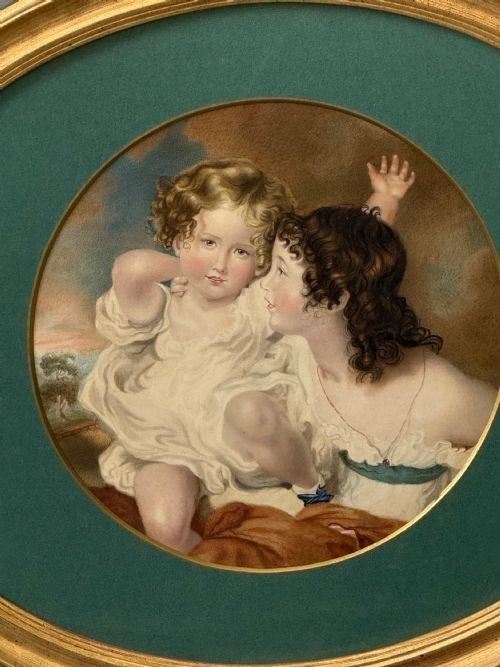
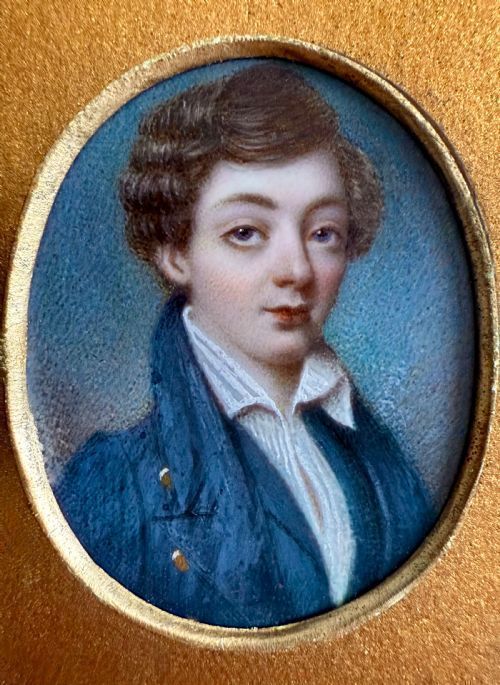
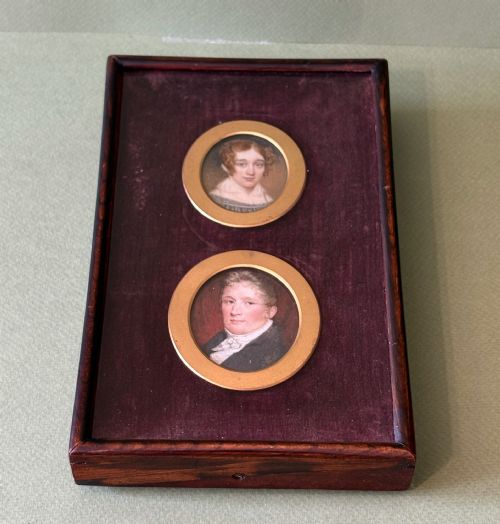
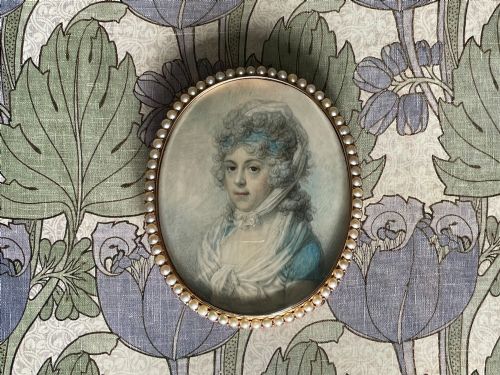
When you search for a miniature watercolour portrait painting, you are looking at intimate likenesses executed on a small scale during the eighteenth, nineteenth, and early twentieth centuries.
Miniature Watercolour Portrait Painting
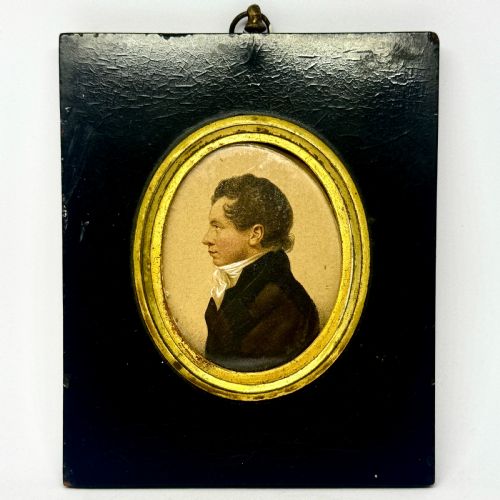
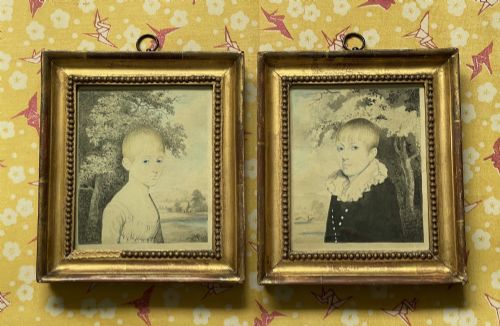
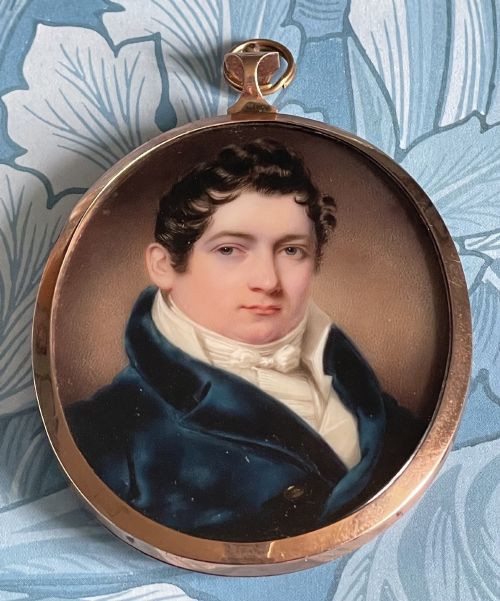
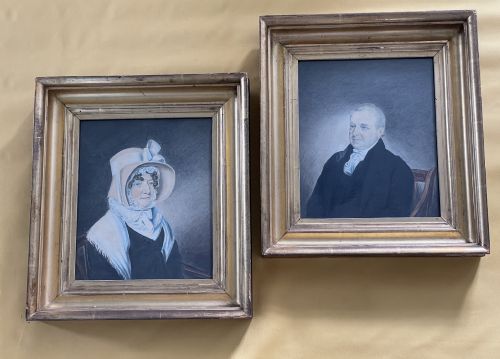
A miniature watercolour portrait painting captures likenesses of officers, children, ladies, and gentlemen on an intimate scale across the eighteenth, nineteenth, and early twentieth centuries. These works appear in various formats, including framed wall pieces, pieces set into brooches, and works mounted on small stands.
The selections span distinct historical periods such as the Georgian, Regency, and Victorian eras, alongside Edwardian and Art Deco examples. British and American schools are represented alongside Anglo-Indian and continental European pieces.
Most examples present head-and-shoulder studies or profile portraits executed on paper or similar surfaces, housed in ebonised wood frames, gilt metal mounts, or silver settings.
Materials and construction
Protective framing typically involves glass fronting held within ebonised wood frames, brass surrounds, gilt metal, gold leaf, or seed pearl ornamentation. Backings often incorporate simple wooden structures or stands.
Listings span works executed on paper, glass, and celluloid, housed in brass, gilt metal, and ebonised wood.
Factors separating quality ranges
The psychological depth and precision of the facial expression distinguish finer examples from standard decorative works. Skilful handling of light upon lace, hair, and fabric indicates the hand of a more accomplished artist.
The integrity of the original housing, including period ebonised frames, gold mounts, and undisturbed glass, preserves the context of the work. Signatures attributed to known practitioners add notable documentation to a piece.
Henri Fradelle·Thomas John Horsley·Charles Shirreff·Richard Cosway·John C D Engleheart·Frederick Buck·William Wood·Charles Hayter·William Naish·Nicolas Freese·J Bizo·Albin R Burt·George Engleheart·Patrick Wybrant
The Miniature Watercolour Portrait Painting Glossary
- Watercolour
- A paint consisting of pigment suspended in a water-based solution, applied in translucent washes to paper. This medium allows for delicate gradations in skin tones.
- Ebonised wood
- Timber treated to resemble ebony, frequently used for dark, contrasting frames during the Georgian and Victorian periods. Such frames often feature brass apertures.
- Gilt metal
- Base metal treated with a gold-coloured finish or plating to simulate solid gold mountings. It provides a secure and decorative border for wearable portrait pieces.
- Profile portrait
- A representation of a head or bust seen from the side rather than the front. This convention was popular in early nineteenth-century silhouettes and miniature paintings.
- Gouache
- An opaque watercolour paint containing pigment mixed with a binding agent and white filler. It provides heavier coverage and brighter highlights than standard watercolour.
Miniature Watercolour Portrait Painting: Frequently Asked Questions
How were these miniature portraits originally displayed?
Owners typically hung these small works in groups upon parlour walls or kept them protected inside custom ebonised wooden frames.
Alternatively, many were designed as personal objects, mounted into brooches or set on small stands to sit upon a desk or dressing table.
Can I wear a miniature portrait as jewellery?
Certain surviving pieces are specifically constructed as brooches with secure pin backs and protective glass covers meant for personal adornment.
Buyers should examine the mount to confirm whether it was made for fastening to garments or for domestic wall display.
How do I distinguish a Georgian miniature from a Victorian one?
Georgian examples often feature softer facial rendering, specific powdered hair styling, and simple ebonised frames with acorn hanger rings. Regency pieces frequently show brighter blues and crisp white dresses.
Victorian pieces introduce richer dress colours, sometimes incorporate pastel or hair work details, and frequently appear in broader brooch mounts.
What subjects appear most often in these paintings?
The subjects are predominantly private individuals, including military officers from regiments such as the Dragoons, children, and ladies of distinction.
Historical figures and nobility also appear, alongside character studies and regional sitters from Anglo-Indian or American folk art traditions.