



Miniature Table Mirror
A miniature table mirror brings small-scale dressing glass and detailed cabinetry to a desk or chest.
Miniature Table Mirror
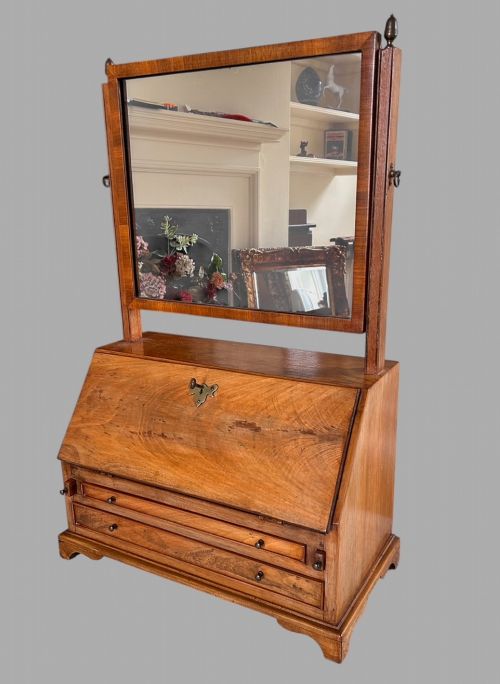
A miniature table mirror sits on top of a surface rather than standing on the floor, offering a portable reflection for the dressing room or boudoir. When you search for a miniature table mirror, you find small glass plates supported by frames, stands, or miniature furniture bases.
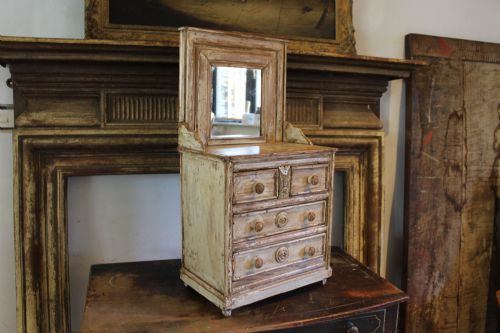
The examples recorded here span from the eighteenth century through the Victorian and Edwardian eras up to the nineteen-twenties, appearing in forms such as dressing table mirrors, toilet mirrors, and bureau combinations. Many pieces integrate drawers, compartments, or writing slopes into their wooden bases.
Victorian and nineteenth-century items dominate the selection, often pairing pivoting mirror plates with compact drawer units or credenza bases. Styles range from simple mahogany frames to ornate French Rococo Revival and Queen Anne black lacquered models.
Materials and construction
Cabinetmakers used fine timbers including mahogany, satinwood, and walnut to build the supportive bases and frames, frequently adding inlaid details or black lacquer finishes. Ormolu mounts and porcelain plaques sometimes decorate the exterior of nineteenth-century pieces.
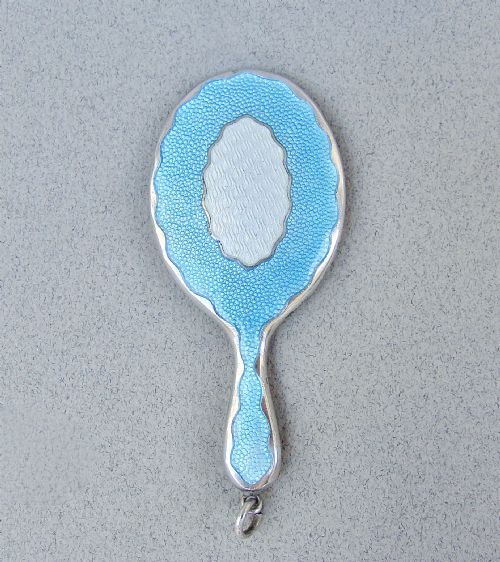
Mirror glass provides the reflective surface, occasionally accompanied by sterling silver, guilloché enamel, or Limoges enamel work on smaller portable examples. Brass hardware secures the pivoting mechanisms that allow the glass to tilt.
The listings span from the 18th century to the 1920s, featuring materials such as satinwood, sterling silver, ormolu, and mirror glass.
Distinctions in quality
Quality rests in the precision of the miniature cabinetry and the integration of the mirror frame with its base. Finer pieces demonstrate careful timber selection, such as figured walnut or satinwood, paired with clean joinery in the drawers and secret compartments.
The ornamentation also separates standard items from exceptional ones, particularly where hand-painted porcelain panels, detailed ormolu mounts, or intricate enamel work elevate the decorative ambition of the object.
The Miniature Table Mirror Glossary
- Toilet mirror
- A small table mirror designed for dressing, usually mounted on a swing frame above a set of small drawers.
- Bureau fitment
- A miniature writing desk interior incorporated into the base of the mirror stand, featuring small pigeonholes and compartments.
- Ormolu
- Gilded bronze or brass applied as decorative mounts and feet on nineteenth-century frames and cabinets.
- Guilloché enamel
- Decorative enamel applied over engine-turned metal, often seen on smaller silver purse mirrors from the twentieth century.
- Satinwood
- A light-coloured, hard timber prized for its smooth grain and used extensively in late nineteenth-century cabinetmaking.
Miniature Table Mirror: Frequently Asked Questions
Where were miniature table mirrors placed?
These small mirrors sat upon chests of drawers, dressing tables, or desks where space was limited.
They provided a functional reflection without requiring a full-height dressing glass.
How do I date a miniature mirror?
Dating relies on the timber used, the style of the base cabinet, and the framing of the glass plate.
Victorian and earlier pieces often employ mahogany or walnut, while later twentieth-century examples show Art Deco influence.
What is a bureau base mirror?
A bureau base mirror combines a tilting glass plate with a miniature fall-front desk and small drawers.
This dual-purpose design served both grooming and letter-writing functions on a tabletop.
Are these mirrors fragile?
The combination of glass, delicate wood frames, and metal mounts requires careful handling during placement and cleaning.
Securing the mirror plate prevents movement while dusting the surrounding timber and ormolu.