




Milliners Hat Tool
A milliners hat tool is a workshop implement used in shaping headwear, prized by collectors for its industrial character and sculptural form.
Milliners Hat Tool
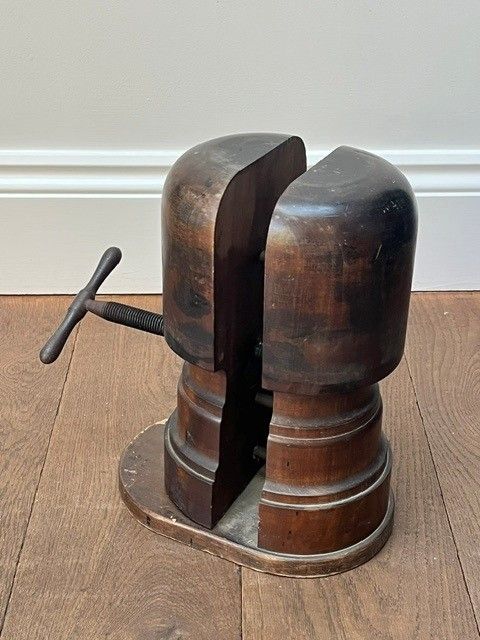
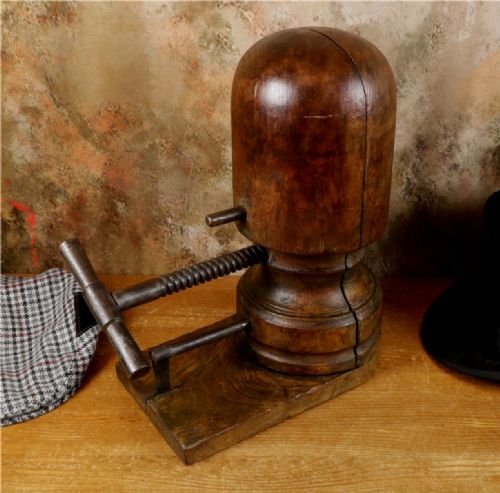
When you search for a milliners hat tool, you encounter functional workshop equipment originating from the Victorian era up to the 1920s. These pieces include hat stretchers, sizers, irons, and various moulding forms designed for trade use.
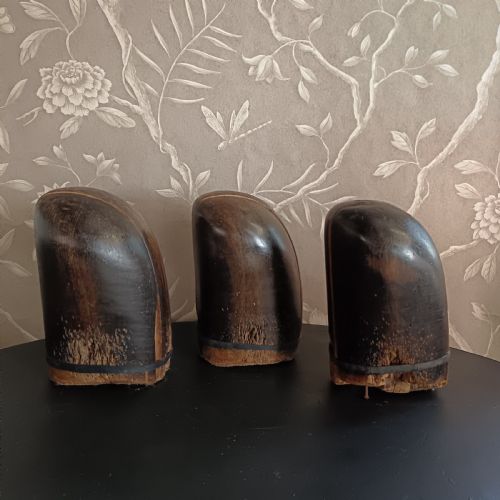
The most common examples on this page are hat blocks and moulds fashioned from wood or aluminium. Many bear the marks of intensive use in period workshops and millinery establishments.
Origins span British, French, and American workshops, encompassing styles from Victorian industrial to French provincial. They serve today primarily as decorative objects or display stands for hats and wigs.
How they were made
Traditional millinery forms are carved from hardwoods such as oak, walnut, and fruit wood, reflecting the demand for durable materials that could withstand regular pressure and damp conditions during shaping. Cabinet makers and pattern makers turned or shaped these timbers by hand.
Later twentieth-century examples utilise cast aluminium and iron, often produced in numbered series for specific hat sizes. These metal implements combine heavy-duty industrial casting with smooth finishing on the contact surfaces.
Military bearskin caps required specialised blocks to achieve their imposing height.
What varies in quality
Quality in a milliners hat tool rests upon the crispness of the carving in wooden examples and the precision of the casting in metal pieces. Finer specimens retain clear maker stamps, original numbers, and unblemished working surfaces.
Wear patterns tell a story of utility, but the finer examples maintain structural integrity without excessive splitting in the wood or deep corrosion in the metal components. The desirability of a piece often relates to its sculptural silhouette and the warmth of the aged material.
The Milliners Hat Tool Glossary
- Hat block
- A solid form, traditionally carved from wood, over which a hat is shaped during manufacture. They come in numerous profiles to suit period fashions.
- Hat stretcher
- A mechanical tool inserted into the crown of a hat to expand or adjust the size. These typically feature wooden segments operated by a central screw or wedge mechanism.
- Millinery mould
- A hollow form used for pressing or casting hat crowns and brims. Aluminium versions from the early twentieth century are common examples of this type.
- Haberdashery
- Items connected to the trade of dealing in small articles of dress and sewing. Millinery equipment forms a specialised branch of this historic commercial sphere.
- Fruit wood
- Dense timber sourced from fruit-bearing trees such as pear or apple, favoured by makers for its fine grain and resistance to splitting under pressure.
Milliners Hat Tool: Frequently Asked Questions
What is a milliners hat tool used for?
These implements were originally used by hatters and milliners to construct, size, and shape headwear during the manufacturing process. They allowed makers to stretch crowns and press brims to exact measurements.
Today, collectors repurpose these functional objects as decorative sculptures or practical display stands for vintage hats and wigs in domestic interiors.
How do I date a wooden hat block?
Dating relies primarily on the timber species, the tool marks left by manufacturing methods, and the specific style of the form which reflects period millinery shapes. Nineteenth-century examples often display hand-carved fruit wood or oak construction.
Twentieth-century pieces tend to introduce standardised sizing numbers and alternative materials like cast aluminium, marking a shift toward industrial production methods.
Are aluminium hat blocks authentic antiques?
Aluminium hat block moulds appearing from the 1920s represent genuine early industrial equipment used in period workshops. The metal casting techniques and numbering systems match the manufacturing standards of that era.
They offer a distinct aesthetic compared to wooden variants, reflecting the transition of industrial workshops toward more durable metal tooling.
How should I display a hat stretcher at home?
Hat stretchers and wooden blocks have a strong sculptural presence that suits placement on bookshelves, sideboards, or dedicated display surfaces. Their neutral tones of aged wood and metal complement diverse interior styles.
Keeping them away from direct heat sources helps preserve the historic timber and prevents unnecessary drying of the material.