



Milliners Hat Form
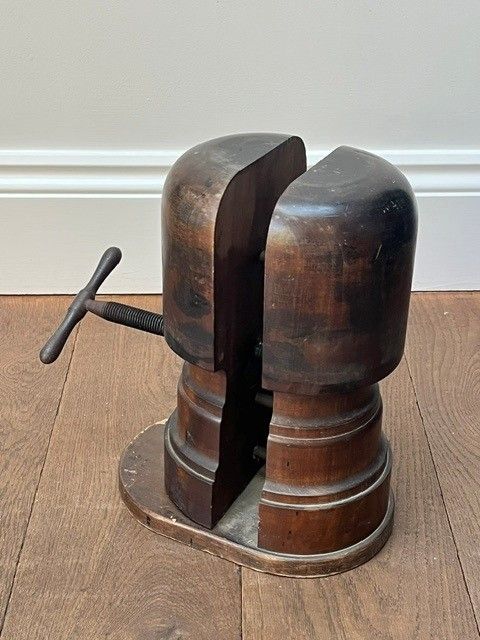
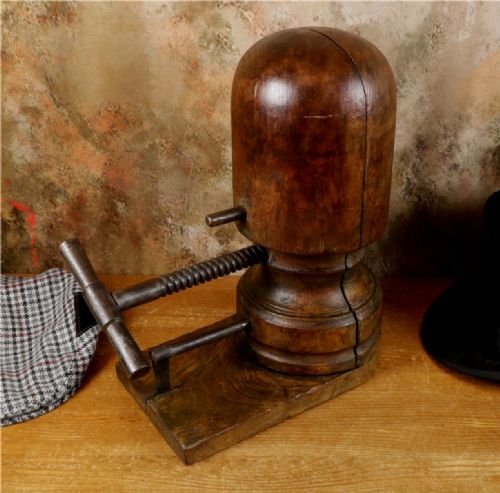
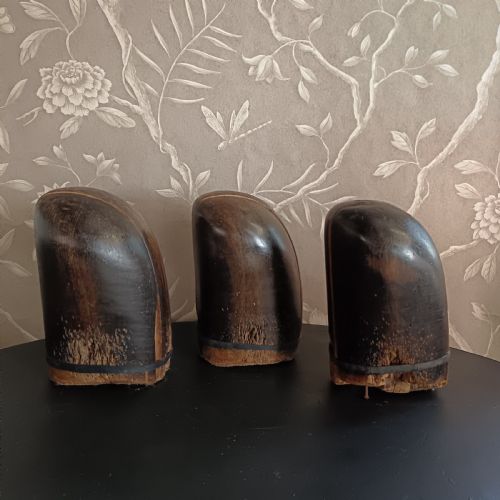
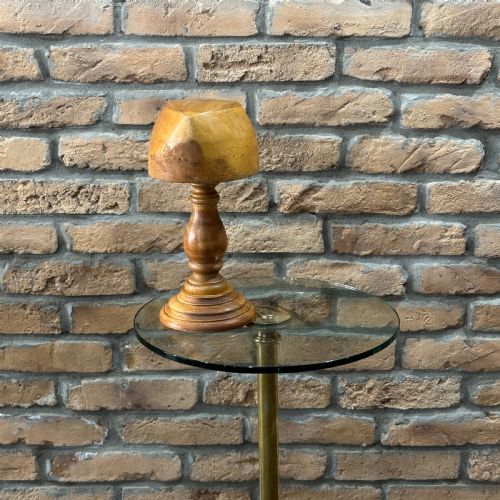
These milliners hat form pieces are solid functional workshop tools shaped from timber and metal for shaping headwear.

Milliners Hat Form
A milliners hat form serves as the primary shaping tool for constructing and stretching headwear across traditional workshops. These pieces appear in forms such as hat blocks, millinery moulds, wig display stands, and dedicated stretchers.
The objects span the nineteenth century through the 1920s, reflecting industrial, Victorian industrial, and folk art styles. Buyers encounter timber blocks alongside cast aluminium moulds designed for specific military or civilian headwear.
Originating largely from French and Belgian workshops, these functional pieces bring utilitarian design into modern interiors as sculptural objects. The selection ranges from carved wooden heads to segmented metal moulds.
Assessing Quality and Character
Quality rests in the sculptural presence of the carving and the integrity of the material. Hand-carved wooden heads and folk art examples display individual artisan marks that elevate them beyond standard utility items.
The choice of dense hardwoods like fruit wood or walnut enhances the tactile weight and grain definition of the piece. Aluminium examples derive their appeal from clean industrial casting and functional modular design.
The site's listings demonstrate a clear division between nineteenth-century French fruit wood blocks and 1920s cast aluminium industrial moulds.
The Milliners Hat Form Glossary
- Hat block
- A solid form made of wood or metal over which a hat is shaped and dried. It dictates the final silhouette of the millinery.
- Milliner
- A maker and designer of hats. These craftspeople utilised specialised blocks and stretchers to construct custom headwear.
- Hat stretcher
- A mechanical tool inserted into a hat to expand or maintain its inner circumference. These devices often feature wooden screw mechanisms.
- Fascinator
- A lightweight decorative headpiece attached to a band or clip. Forms made specifically for these items are smaller in scale.
Milliners Hat Form: Frequently Asked Questions
What is a milliners hat form used for?
These pieces served as foundational moulds for shaping felt, straw, and fabric into fitted headwear within professional workshops.
Today, collectors utilise them as sculptural display objects or stands for wigs and vintage hats.
How do I date a wooden hat block?
Dating relies on timber types, tool marks, and overall manufacturing style associated with nineteenth-century and 1920s production.
French fruit wood and oak examples typically indicate nineteenth-century origin, while cast aluminium forms point towards the 1920s.
Are aluminium hat blocks authentic?
Aluminium hat block moulds emerged in the 1920s as industrial manufacturing introduced metal into traditional millinery workshops.
These metal pieces function identically to wooden blocks and were used for volume production.
How should I display a hat form?
These pieces require minimal intervention and sit well on shelves, desks, or tables as standalone sculptural art.
Their utilitarian origins and natural wood or metal patinas complement both modern and traditional interiors.