

Military Officer Portrait Painting
A military officer portrait painting captures the public and private countenance of service, recording uniforms, campaigns and individual rank across centuries.
Military Officer Portrait Painting
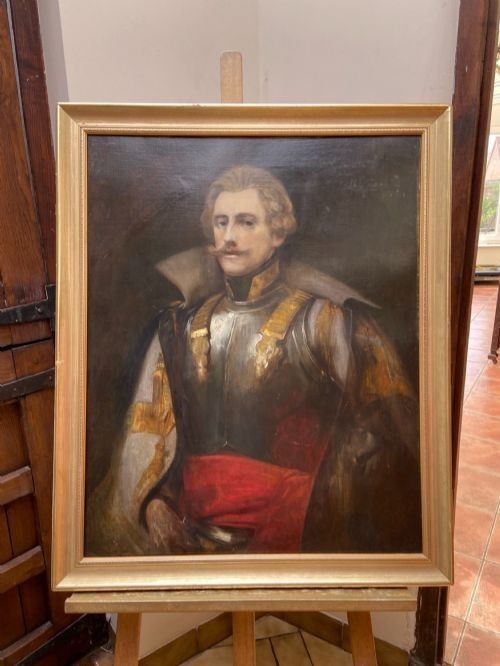
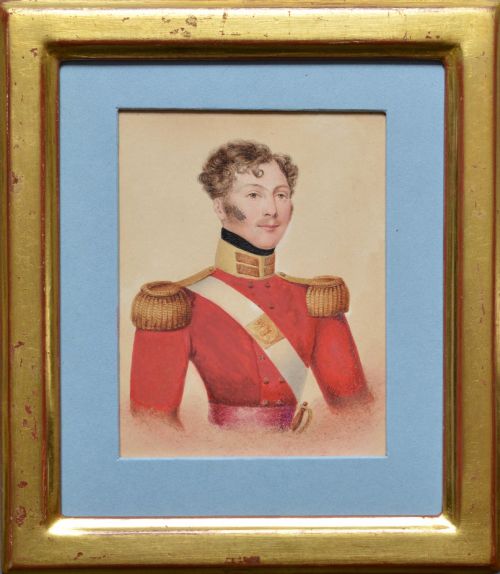
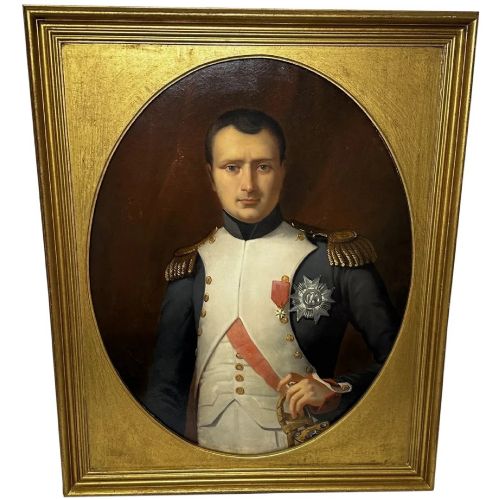
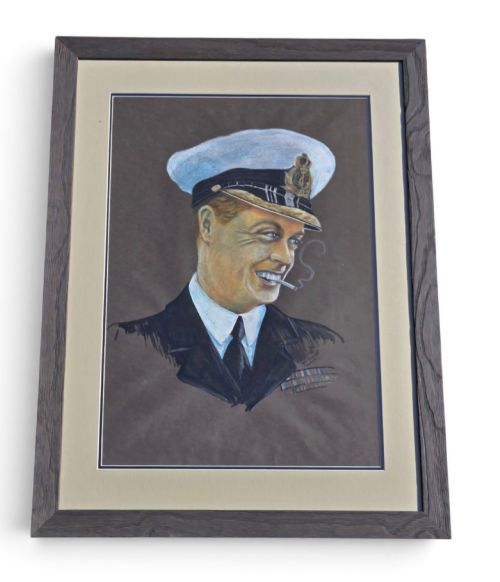
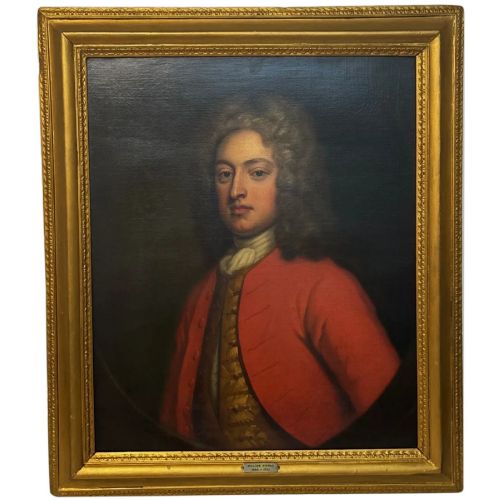
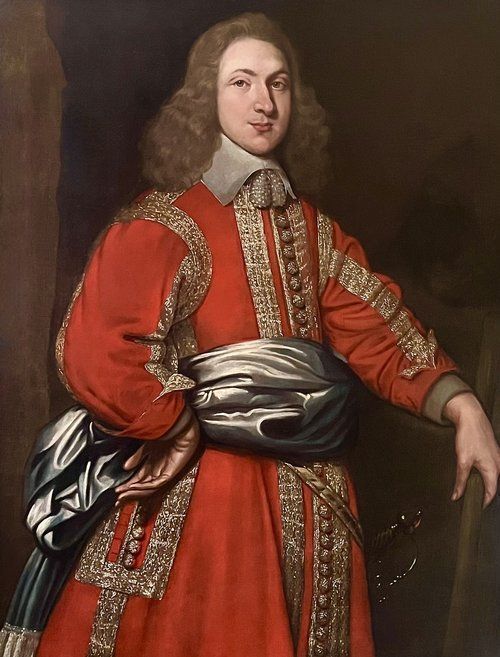
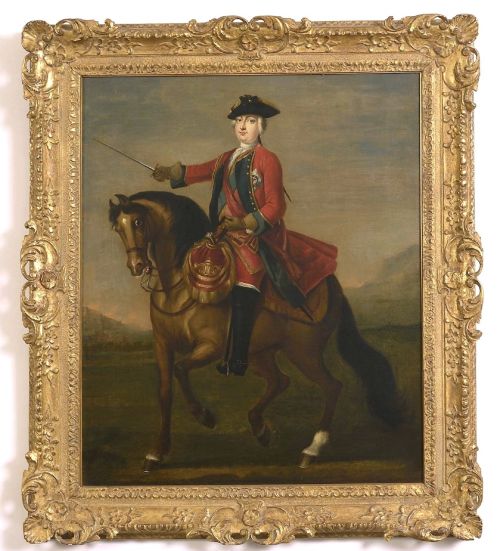
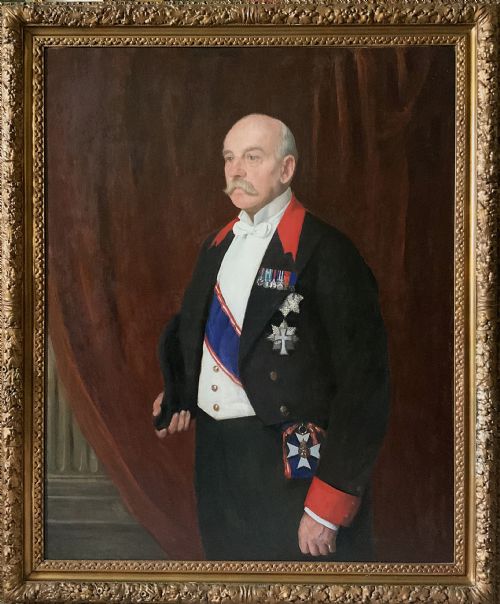
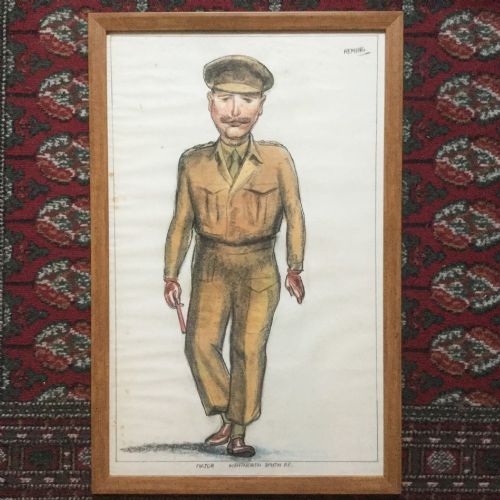
A military officer portrait painting depicts figures from various branches of service, ranging from early modern commanders in armour to twentieth-century personnel in service dress. These works span the seventeenth, eighteenth and nineteenth centuries, alongside mid-twentieth-century examples.
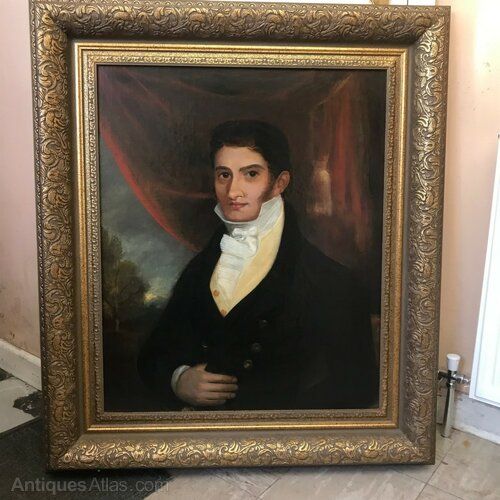
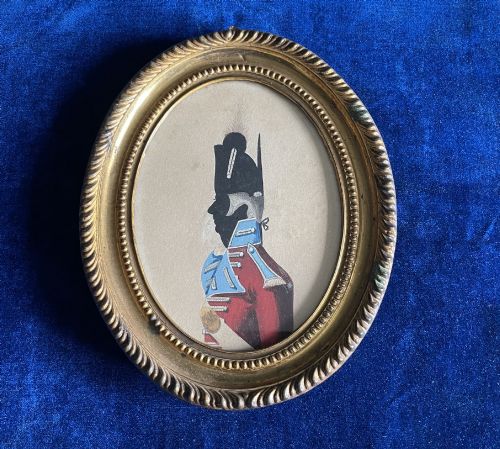
The most common formats encountered include traditional oil on canvas and intimate portrait miniatures on paper or agate panels. Buyers also find works executed in watercolour, pastel and gouache, often framed in period giltwood.
Subjects include British, French and Anglo-Indian officers, naval commanders, and members of regiments such as the Scots Greys and Royal Engineers. These pieces function historically as records of commission, regiment and campaign.
How They Were Made
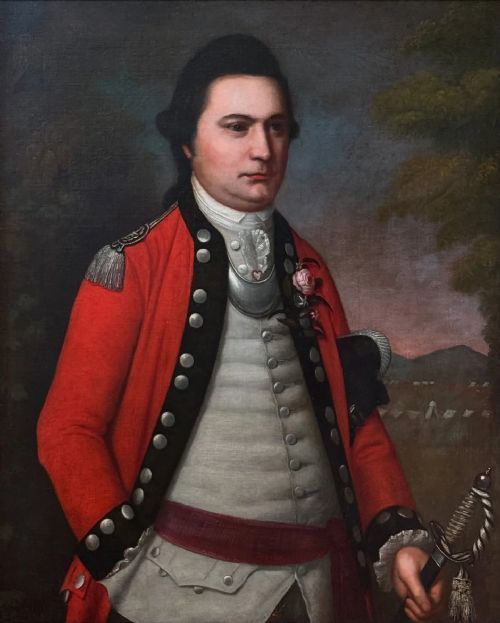
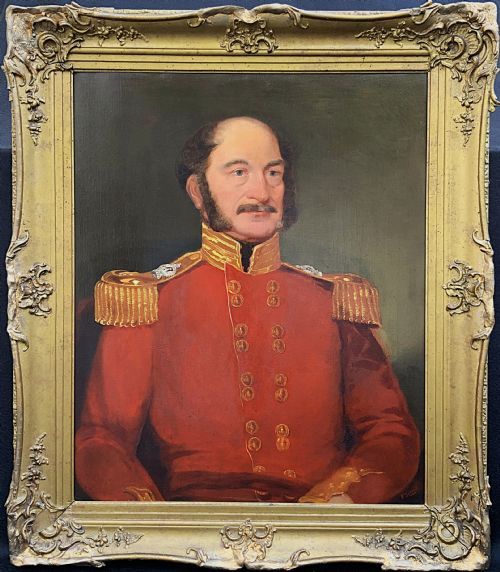
Artists painted primarily with oil paint on stretched canvas or wood panels, building rich textures for red coats, gold epaulettes and ceremonial tunics. Watercolours and pastels on paper offered a quicker medium for intimate sketches and field drawings.
Supports often include glass and gold frames, with miniature works set into materials like agate panels and eighteen-carat gold. Preparation involved detailed draughtsmanship, capturing facial likeness alongside the precise insignia of military rank.
The inventory records depictions of regiments ranging from the Scots Greys and Coldstream Guards to the Royal Engineers.
What Varies in Quality
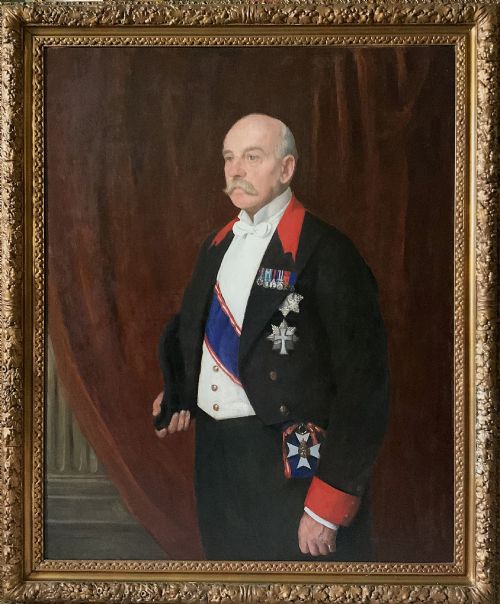
Quality rests on the precision of the draughtsmanship and the artist's ability to render the textiles of uniforms, from the sheen of satin facings to the weight of wool tweed and armour. Superior hands achieve psychological depth in the sitter's expression alongside accurate rendering of medals and orders.
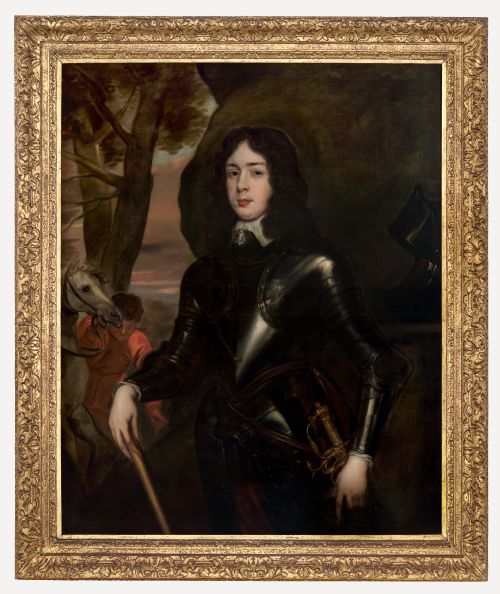
The execution of the surrounding composition, including horses, grooms, and distant encampments, distinguishes ambitious formal commissions from simpler record paintings.
Sir Thomas Lawrence·William Carter·Edward Pugh·Stickland Lowry·Aubrey Sykes·David Nicholson Ingles
The Military Officer Portrait Painting Glossary
- Portrait Miniature
- A small, highly detailed painting executed on materials such as vellum, paper or agate panel. These portable works often commemorated family members or military commissions.
- Giltwood
- Wood carved and coated with gold leaf or gold paint, frequently utilised for period frames. It provides a reflective, ornate border that complements oil paintings.
- Epaulette
- An ornamental shoulder piece worn on military uniforms to denote rank. They feature prominently in officer portraits as indicators of status.
- Anglo-Dutch School
- A grouping of artists working in Britain and the Netherlands sharing stylistic influences during the seventeenth century. Their portraits emphasise stark lighting and detailed costume.
- Gouache
- An opaque water-based paint used alongside pastels for wartime sketches and studies. It allows for rapid application of flat, vibrant colour.
Military Officer Portrait Painting: Frequently Asked Questions
How do I identify the regiment?
Regimental identity is typically signalled through uniform details such as facings, lace, cap badges and shoulder titles. Medals, orders and specific historical campaigns mentioned in inscriptions also help pinpoint the unit.
Comparison with contemporary uniform regulations and historical army lists clarifies the exact regiment and period of service.
How should I hang these paintings?
Paintings require stable indoor environments away from direct sunlight and excessive humidity to protect canvas, paper and pigments. Hanging them on interior walls ensures the preservation of both the artwork and the original frame.
Proper lighting using low-heat picture lights enhances the visibility of dark uniforms and background details without causing damage.
Why do some depict armour?
Portraits featuring plate armour often reflect seventeenth-century conventions where military commanders chose to be depicted in classical or protective gear. This imagery conveyed martial strength and historical continuity.
Even as actual combat use of full armour declined, it remained a popular symbolic device in portraiture for high-ranking officers.