




Impasto Portrait on Canvas
An impasto portrait on canvas brings heavy paint texture and physical presence to a room, holding the eye through thick pigment and bold brushwork.
Impasto Portrait on Canvas
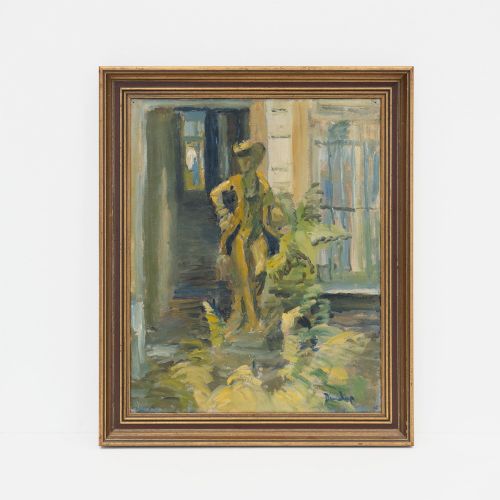
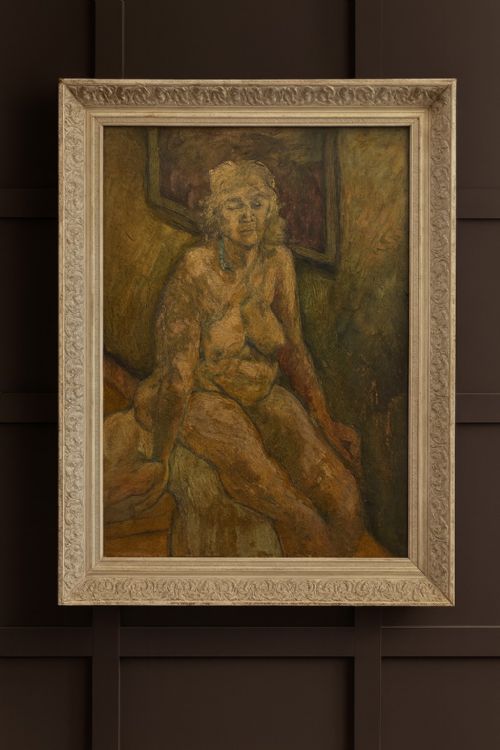
An impasto portrait on canvas is a painted depiction of a person where the oil paint is laid on the surface in thick, raised strokes that stand out visibly from the plane. The phrase encompasses figure studies, self-portraits, and character portraits created across various decades of the twentieth century.
The pieces on this page span from the late nineteenth century through to the mid-twentieth century, including works associated with Post-Impressionism, Expressionism, and Modern British art. Buyers encounter subjects ranging from formal portraits and nudes to intimate scenes of mothers and children.
Most examples rely on oil paint applied to canvas, though some variations incorporate card as a support. The execution shifts from the loose brushwork of Impressionist studies to the heavier forms of mid-century expressionism.
How they were made
Artists built these works using oil paint applied thickly to stretched canvas using stiff hog-bristle brushes or painting knives. This method allowed the wet paint to retain the physical gesture of the hand long after the surface dried.
The support material typically consists of woven canvas stretched over a wooden frame, providing a resilient foundation capable of supporting the heavy weight of dense pigment layers without sagging.
Gilt frames often surround these paintings, functioning as physical boundaries that complement the metallic tones and rich shadows within the composition.
The listings here feature oil paint on canvas and card, spanning periods from the late nineteenth century to the 1960s.
What varies in quality
Quality in an impasto portrait on canvas rests on the confidence of the brushwork and the structural stability of the thick pigment layer. Stronger works demonstrate purposeful manipulation of paint where every heavy stroke defines form and light rather than merely adding bulk.
The integration of the subject within the painted space separates standard decorative work from compelling fine art. Superior pieces maintain tonal balance across the canvas even when the surface texture is exceptionally rugged and pronounced.
Ronald Ossory Dunlop·Gaetan Dumas·Baruch Shalom Oskotsky·Pinchus Krémègne·Raymond Arthur Roadnight·Lucy Kemp-Welch·Georges Rouault
The Impasto Portrait on Canvas Glossary
- Impasto
- Paint applied thickly to a canvas so that it stands out from the surface, retaining the marks of the brush or palette knife. This technique adds tactile depth and catches physical light in a room.
- Post-Impressionism
- An art movement extending the impressionist use of pure colour and thick application while emphasising geometric forms and expressive emotional responses. Artists working in this manner prioritized personal vision over strict optical realism.
- Expressionism
- A modernist style where the artist distorts reality for emotional effect, utilising bold colours and aggressive paint handling. Portraits in this mode focus on internal psychological states rather than exact physical likeness.
- Support
- The physical foundation upon which the artist applies the ground and paint layers. Canvas stretched over wood is the primary support seen here.
- Self-portrait
- A representation of the artist drawn or painted by themselves. These works often show direct experimentation with technique and personal expression.
Impasto Portrait on Canvas: Frequently Asked Questions
How do I hang a heavy impasto painting?
Ensure your wall fixings anchor directly into solid masonry or use heavy-duty wall anchors designed for plasterboard. The thick layers of oil paint add considerable weight to the canvas and frame.
Check that the hanging wire and D-rings secured to the wooden stretcher frame are robust enough to support the load safely over time.
What lighting suits textured oil paintings?
Position picture lights or directional ceiling spotlights at an angle rather than directly perpendicular to the canvas. Angled light creates subtle shadows across the raised paint ridges.
This raking light highlights the physical depth of the brushstrokes and brings out the dynamic texture unique to impasto works.
How do I date an antique canvas?
Examine the back of the canvas, the wooden stretcher frame, and any visible maker stamps or handwritten inscriptions. Older stretchers often feature wedge keys in the corners and oxidised metal tacks.
Stylistic markers, such as the brushwork conventions of the 1930s or 1950s, also help narrow down the period of execution.