




Military Naval Trunk
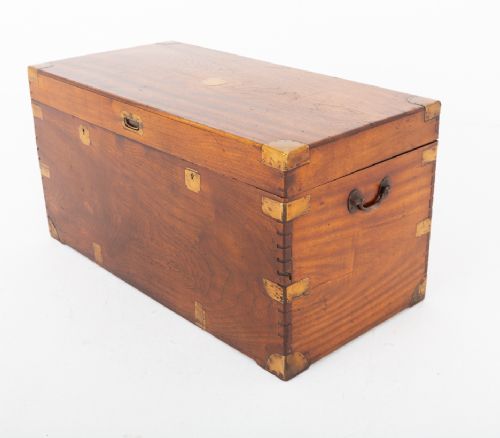
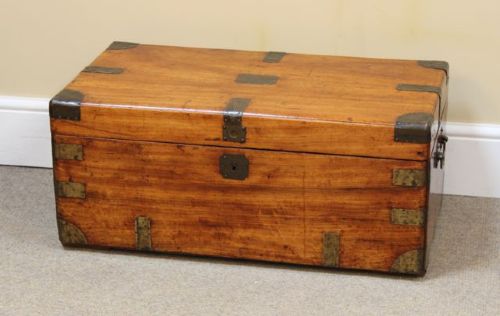
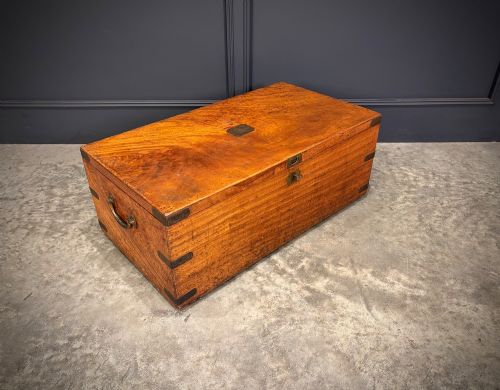
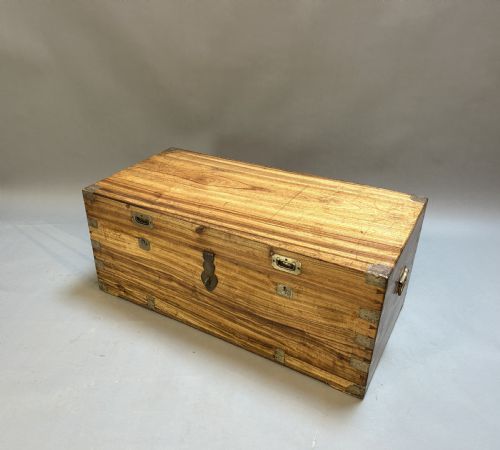
A military naval trunk is a durable travelling chest designed for officers on the move, offering robust storage built to withstand the rigours of service.
Military Naval Trunk
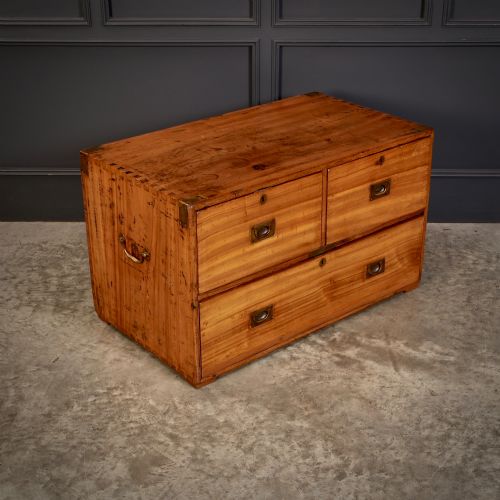
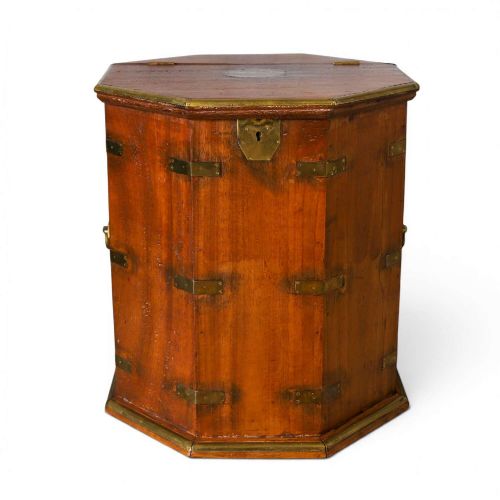
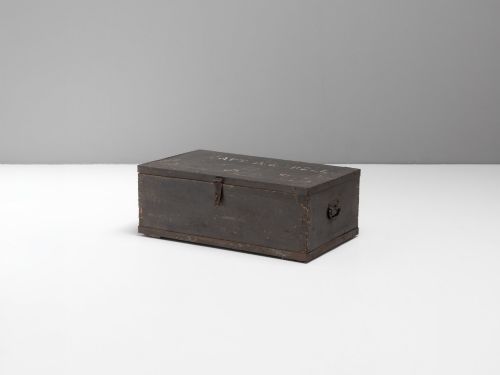
When searching for a military naval trunk, you encounter robust storage chests originating from the nineteenth century, including the Regency and Victorian eras. These pieces encompass various forms such as campaign chests, blanket chests, and fitted trunks designed for travel.
Camphor wood appears most frequently among these listings, alongside teak, mahogany, pine, iron, and brass. The construction reflects colonial campaign and China trade origins, providing officers with practical storage that survived long voyages.
Materials and Construction
Craftsmen utilised durable timbers such as camphor wood, teak, and mahogany to build these trunks, often selecting camphor for its insect-repellent properties during maritime travel. Solid wood construction ensured the pieces could endure harsh climates and frequent movement.
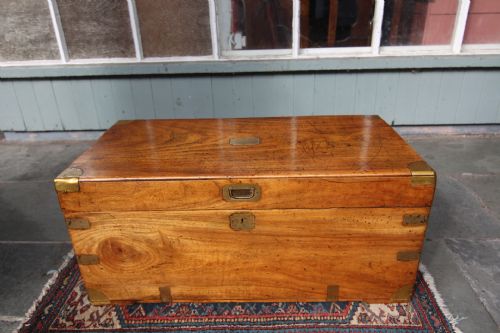
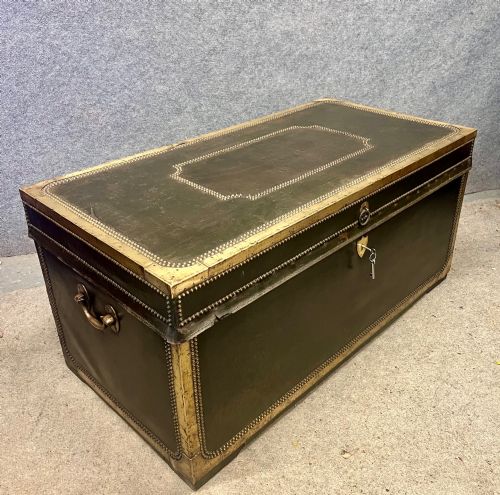
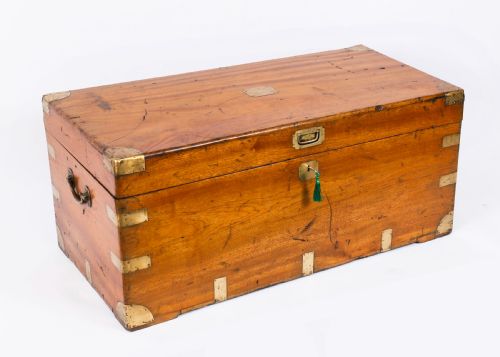
Makers reinforced the wooden bodies with brass hardware, iron fittings, and leather, protecting the corners and edges from heavy impact. Hinged lift-up tops and fitted interiors provided secure access to uniforms and equipment.
Military Naval Trunk Retail Price Guide 2026
Typical asking prices for military naval trunk among the pieces listed under this phrase on Sellingantiques today, from the lower quarter to the upper quarter. They describe what is for sale here now, not the wider market.
The lingering aromatic scent of camphor wood persists inside these trunks after nearly two centuries of service.
Assessing Quality
Quality in a military naval trunk rests upon the selection of timber and the preservation of original hardware. Examples featuring beautifully grained solid camphorwood with intact brass bindings and original fitted interiors stand apart from simpler utility boxes.
The precision of the joinery and the survival of period fittings dictate the standing of a piece. Trunks retaining their authentic finish and structural integrity represent the higher end of nineteenth-century campaign furniture.
The Military Naval Trunk Glossary
- Campaign chest
- A portable set of drawers or a trunk designed to dismantle or travel easily with military officers. These pieces typically feature recessed brass handles and corner brackets to prevent snagging during transit.
- Camphor wood
- An aromatic timber native to Asia, prized for its distinct scent and natural resistance to insects. It remains the dominant material found in nineteenth-century campaign trunks.
- China trade
- Goods produced in China during the eighteenth and nineteenth centuries, often for Western export. These items frequently utilised local camphor wood and featured traditional brass hardware.
- Regency
- A British architectural and decorative style spanning the early nineteenth century. Pieces from this period exhibit classical restraint and refined proportions.
- Victorian
- Pertaining to the reign of Queen Victoria, encompassing a wide array of revival and industrial styles in furniture. Trunks from this era often display solid construction and robust brass bindings.
Military Naval Trunk: Frequently Asked Questions
What is a military naval trunk?
A military naval trunk is a portable wooden chest utilised by officers during the nineteenth century for transporting uniforms, documents, and personal belongings on land and sea.
These pieces were engineered for durability and travel, featuring protective metal hardware and sturdy timber construction to endure harsh conditions.
How do I identify a campaign trunk?
Campaign trunks are typically distinguished by recessed brass handles, reinforced corners, and durable timbers like camphor wood or teak. Their design prioritised portability and protection during military service.
Many examples feature hinged lift-up tops or internal compartments tailored for an officer's equipment while on active duty.
What wood are these trunks made from?
The listings predominantly feature camphor wood, alongside teak, mahogany, and pine. Camphor wood was favoured for its pleasant aroma and natural ability to repel moths and insects during long voyages.
Makers selected these dense timbers to ensure the chests could withstand the rigours of colonial campaign life without warping.
How can I date a campaign chest?
Dating relies on examining the materials, construction techniques, and brass hardware characteristic of periods like the Regency and Victorian eras. Nineteenth-century examples often exhibit hand-dovetailed joints and period-specific locking mechanisms.
Reference to colonial campaign styles and China trade origins also helps narrow the manufacturing timeframe.
How do I care for a camphor wood trunk?
Maintain camphor wood trunks by keeping them in stable environmental conditions away from direct heat sources and excessive moisture. Occasional gentle cleaning preserves the natural grain and finish of the timber.
Avoid harsh chemical polishes that might damage the antique wood and the original brass hardware.