



Mid Victorian Wall Art
Mid victorian wall art brings the varied visual culture of the mid-nineteenth century directly into domestic spaces.
Mid Victorian Wall Art
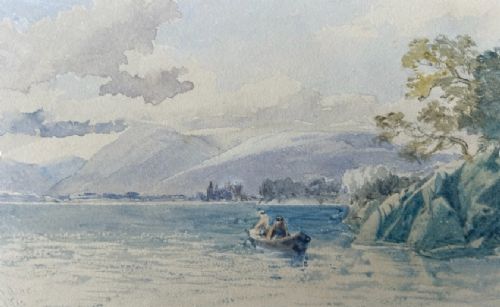
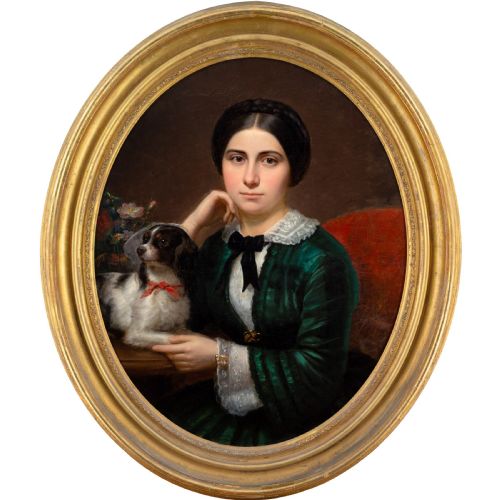
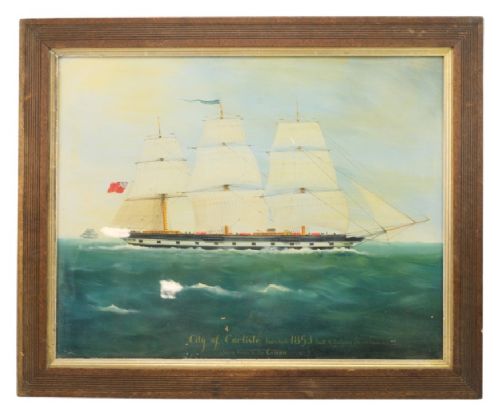
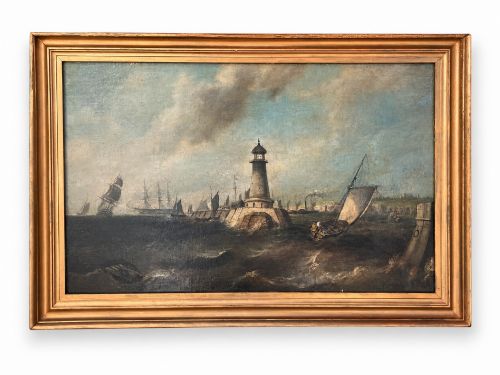
Mid victorian wall art spans original oil paintings, watercolours, needlework samplers, framed prints, and detailed graphic works originating around the middle decades of the nineteenth century. These pieces reflect diverse domestic tastes ranging from landscape watercolours and maritime scenes to academic life studies and framed theatrical prints.
Buyers encountering this category frequently meet works executed on paper, canvas, and panel, alongside textile pieces such as gros point needlework and Berlin wool work tapestries. The selection includes British and continental schools, capturing portraits, topographical views, and historical subjects.
The objects documented in this selection cover specific dated examples from the eighteen-fifties and eighteen-sixties, alongside broader nineteenth-century and Victorian pieces. This variety ensures collectors find both intimate portrait miniatures and large framed wall hangings suited to period interiors.
Materials and construction methods
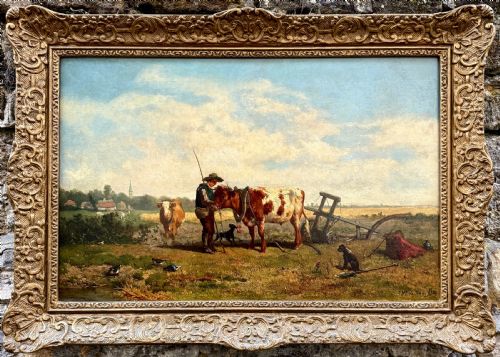
Mid victorian wall art relies on traditional painterly and craft techniques, combining oil on canvas or board with watercolour and gouache on paper. Artisans utilised wood, glass, and gold leaf to construct protective frames that often match the period of the artwork.
Textile works demonstrate distinct handcraft methods, utilising wool and silk threads in gros point needlework and Berlin wool work tapestries mounted within timber frames. Graphic works encompass graphite drawings, sand pictures, and framed tinsel and decoupage prints.
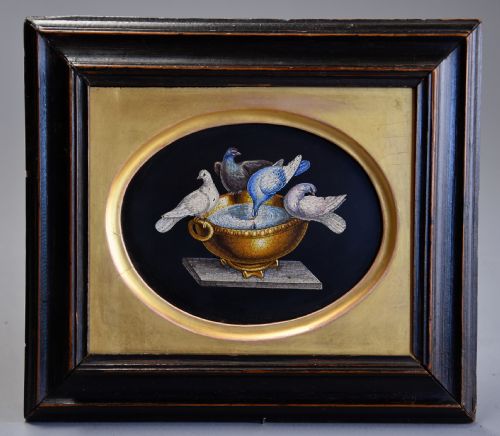
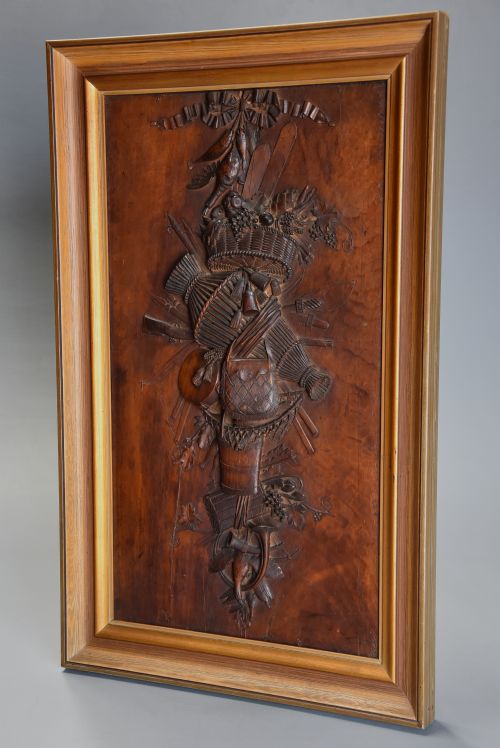
Specialised decorative items incorporate carved continental fruitwood and micromosaic plaques set into ebonised timber frames. These varied media demonstrate the extensive range of manual skills practised by nineteenth-century artists and makers.
Current listings feature watercolours, oil paintings, and needlework across the Victorian period, utilising wood, glass, and paper.
Distinctions in craftsmanship and execution
The quality of mid victorian wall art rests upon the precision of the draughtsmanship, the handling of the chosen medium, and the integrity of the original framing. Finer paintings exhibit confident brushwork and tonal depth, whereas standard decorative pieces display more rigid composition.
Textile works vary according to the density of the stitchery, the complexity of the colour palette, and the preservation of the fibres. Needlework samplers and wool work tapestries with well-maintained tension and minimal fading represent the upper tier of textile production.
The survival of original gilt wood frames, ebonised surrounds, and protective glass significantly influences the overall character of each piece. Works retaining their contemporary mountings offer a more complete historical context than those re-framed at later dates.
Thomas Miles Richardson Jnr RWS·Nicholas Condy·Johannes de Haas·John Bell·J Bizo·Robert Faulkner·Jas Wyld
The Mid Victorian Wall Art Glossary
- Watercolour
- A painting method where fine pigment is suspended in a water-based, usually gum-arabic solution, applied to paper.
- Gros point
- A needlepoint stitch worked on canvas, creating a durable and textured surface frequently seen in nineteenth-century decorative panels.
- Berlin wool work
- A type of counted-thread embroidery using brightly coloured wools on canvas, popular for domestic wall hangings during the Victorian era.
- Tondo
- A circular painting or relief sculpture, requiring distinct compositional adjustments to fit the curved perimeter.
- Micromosaic
- An intricate decorative technique using tiny coloured glass tesserae to form detailed pictorial scenes, often mounted in frames.
- Academic realisim
- A style of painting and drawing produced under the influence of nineteenth-century European academies, emphasising precise anatomical accuracy and finish.
Mid Victorian Wall Art: Frequently Asked Questions
How should mid victorian wall art be cleaned?
Paper and textile pieces require protection from direct sunlight and moisture to prevent fading and fibre degradation. Professional conservators should handle any chemical cleaning of painted surfaces or antique textiles.
Dusting should be performed gently using a soft, dry brush, taking care not to pressure fragile paper supports or disturbed needlework threads.
Are these paintings usually signed by the artist?
Many works from this period remain unsigned or attributed to specific schools rather than named individuals. Studio practices and collaborative workshop methods frequently resulted in pieces bearing monograms or no signature at all.
Attributions often rely on stylistic comparison, contemporary exhibition records, or archival documentation associated with the specific genre and region.
What framing is appropriate for these pieces?
Original gilt wood or ebonised frames provide the most historically accurate presentation for mid-nineteenth-century works. These frames often show age-appropriate wear that complements the patina of the artwork.
When replacing damaged surrounds, selecting period-appropriate mouldings preserves the visual balance and historical context of the wall art.
How do needlework pieces differ from paintings?
Needlework pieces, including samplers and tapestries, are created through stitched thread on canvas rather than applied pigments. They represent domestic handcraft traditions that flourished alongside professional fine art production in the nineteenth century.
These textile works function as decorative wall hangings, offering rich textures and vibrant wool colour palettes distinct from flat painted surfaces.