


Mid Victorian Sideboard
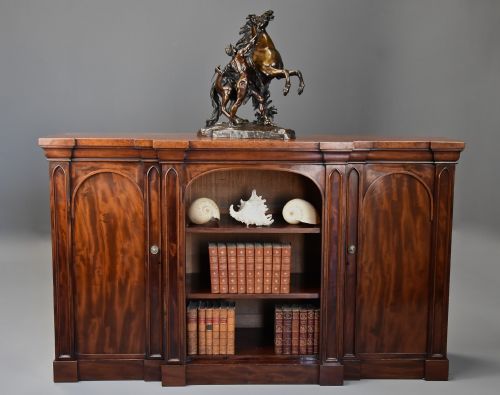
A mid victorian sideboard brings substantial timber and disciplined proportion to a dining room, offering practical storage through deep cupboards and tiered staging.
Mid Victorian Sideboard
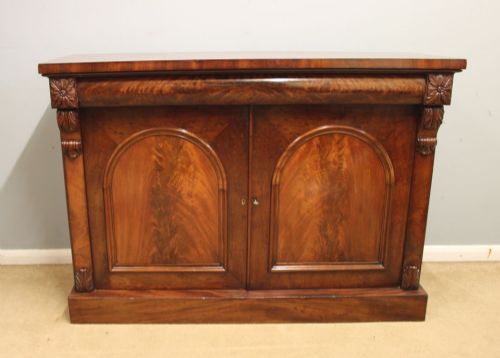
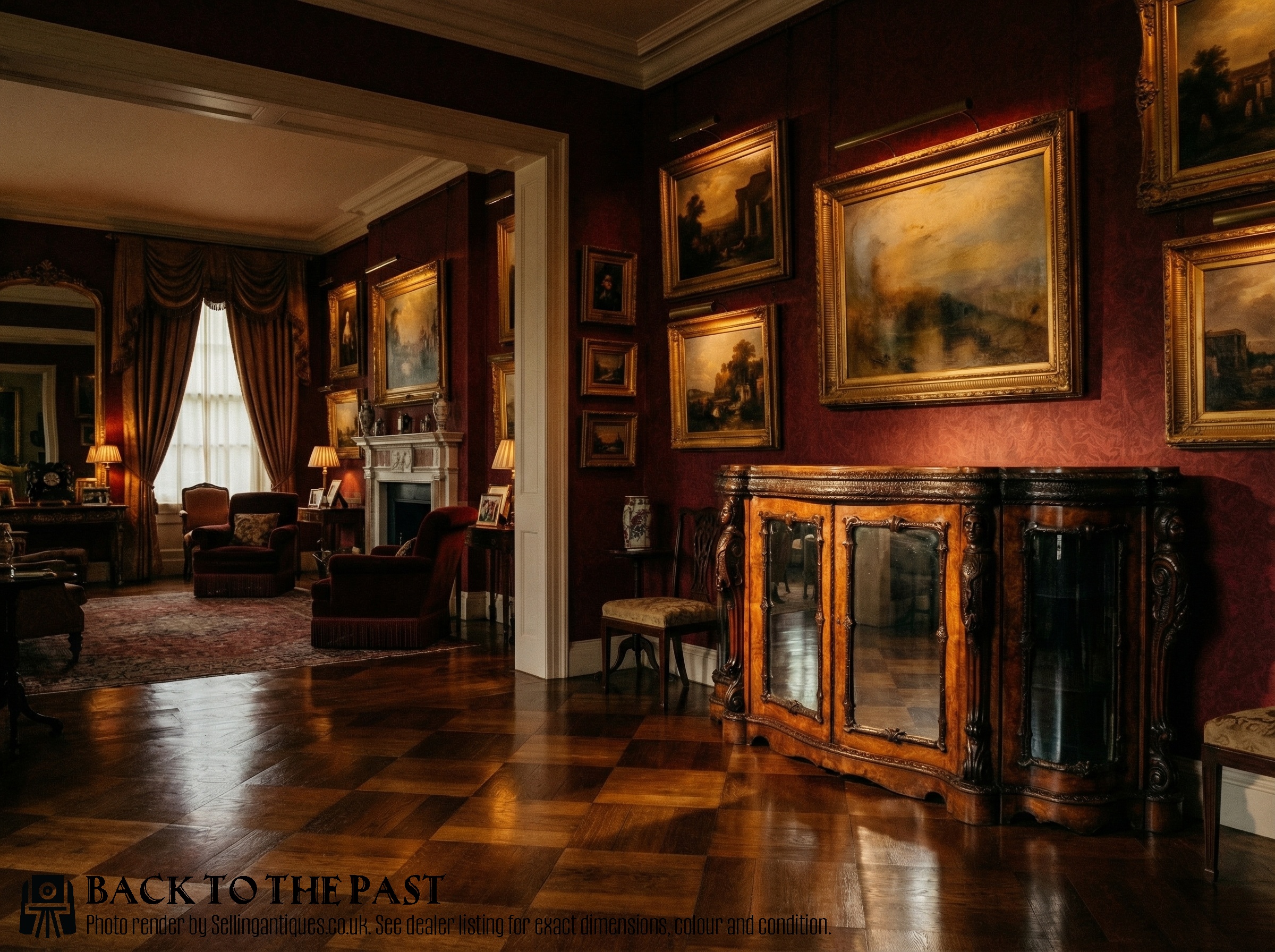
When searching for a mid victorian sideboard, buyers encounter robust storage furniture built during the Victorian period, most frequently taking the form of mahogany and walnut sideboards, credenzas, and chiffoniers. These pieces date from the middle decades of the nineteenth century, encompassing styles such as Victorian Gothic Revival and Victorian Rococo Revival alongside plain classic forms.
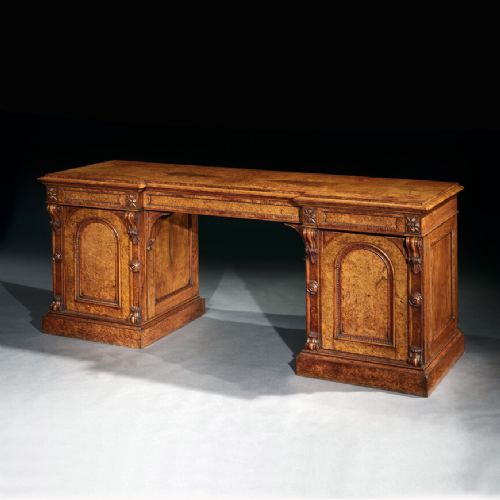
The most common formats met on this page include large pedestal sideboards, mirror-backed servers, and inlaid credenzas incorporating marble tops or glass doors. Pieces range from grand breakfront bookcases and cupboards down to compact side cabinets and pier cabinets designed for formal reception rooms.
How they were made
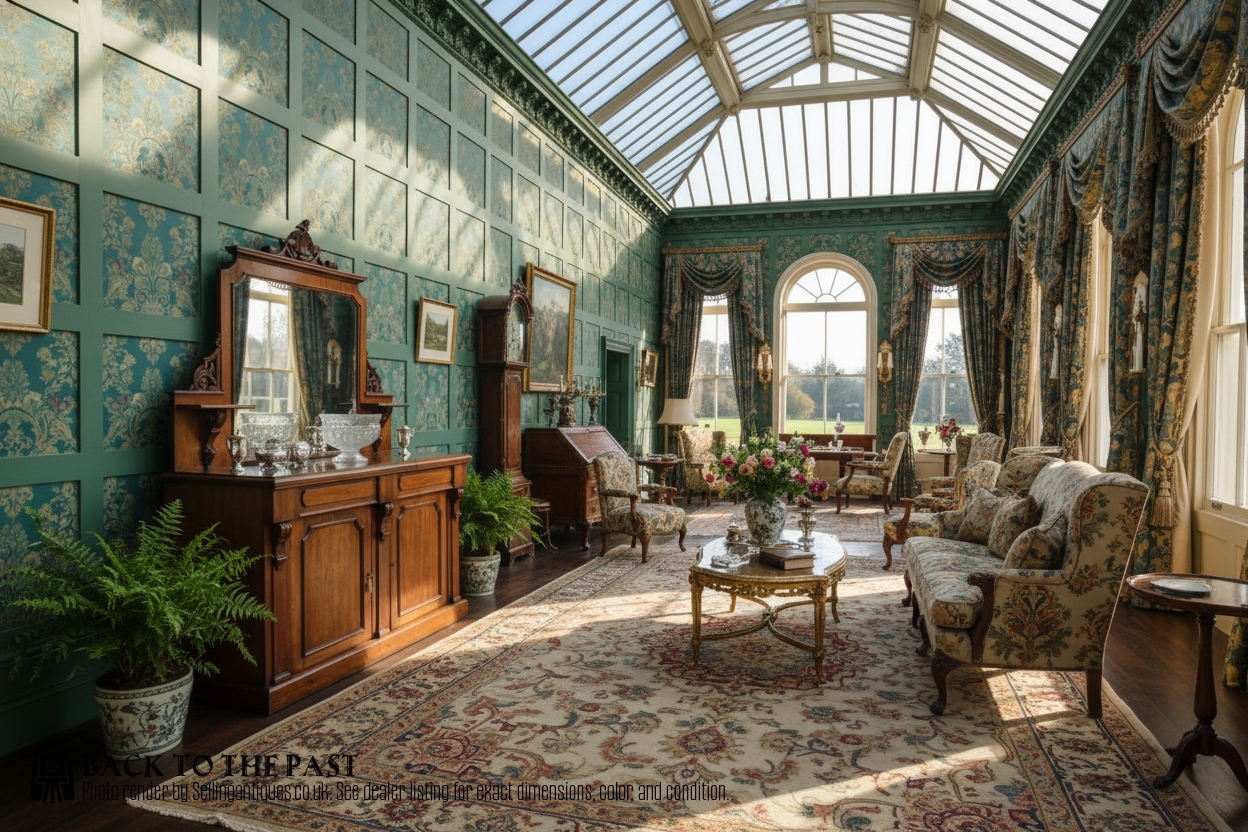
Cabinetmakers constructed these sideboards using dense hardwoods including mahogany, burr walnut, oak, and rosewood, frequently applying decorative veneers to prominent flat surfaces. Structural elements often rely on solid timber framing for carcases, drawers, and carved architectural details.
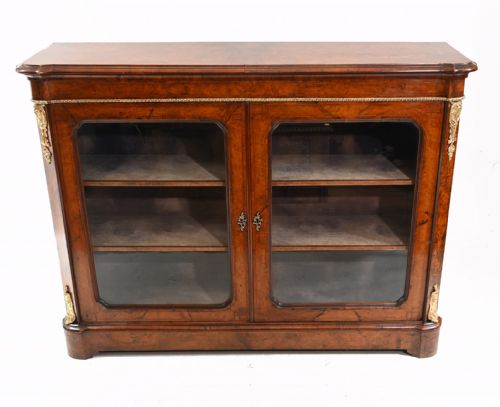
Surface embellishment involved contrasting inlays of satinwood, brass stringing, and cast ormolu mounts to highlight panels and door frames. Selected pieces incorporate glazed sections using cut glass alongside fitted interior drawers and sliding trays.
Mid Victorian Sideboard Retail Price Guide 2026
Typical asking prices for mid victorian sideboard among the pieces listed under this phrase on Sellingantiques today, from the lower quarter to the upper quarter. They describe what is for sale here now, not the wider market.
The listings show sideboards and credenzas constructed from mahogany, burr walnut, oak, and rosewood, spanning the Victorian period up to eighteen sixty.
What varies in quality
Quality separates through the selection of timber figures, where matched burr walnut veneers and flame mahogany grains dictate the visual impact of the front elevation. Superior examples display tighter joinery in internal drawer construction and finer execution in hand-carved mouldings.
The sophistication of secondary materials also marks the grading of pieces, distinguishing standard timber panels from those enhanced with elaborate ormolu mounts, intricate marquetry inlay, and polished marble tops.
The Mid Victorian Sideboard Glossary
- Credenza
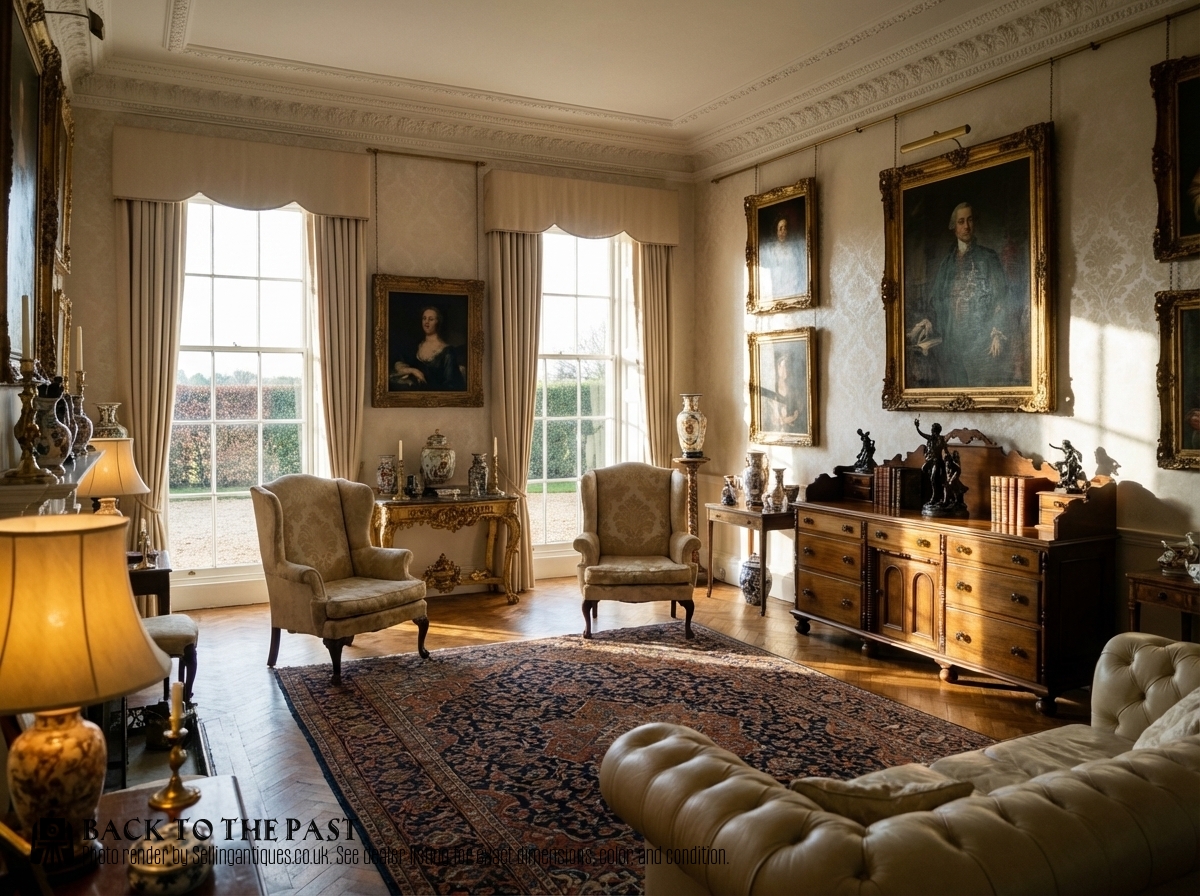
- A low cabinet, frequently fitted with glass doors or open shelves, developed during the nineteenth century for display and storage. These pieces often feature marquetry inlay and ormolu mounts.
- Chiffonier
- A compact sideboard equipped with enclosed lower cupboards and often surmounted by a raised shelf or a mirrored back. This form suited smaller Victorian dining spaces.
- Ormolu
- Gilded bronze used for decorative mounts and accents upon furniture surfaces. It adds metallic contrast to dark woods such as walnut and rosewood.
- Burr walnut
- Timber taken from the warted growths of walnut trees, yielding highly swirled and mottled grain patterns. Cabinetmakers prized this material for veneering principal cabinet doors.
- Breakfront
- A piece of furniture whose central section projects forward from the flanking wings. This configuration breaks the linear monotony of large sideboards and bookcases.
Mid Victorian Sideboard: Frequently Asked Questions
What is a mid victorian sideboard?
A mid victorian sideboard is a large wooden storage piece produced during the middle decades of the nineteenth century. These items served dining rooms and reception rooms for storing plate, glassware, and linens.
Designs range from heavy mahogany pedestal sideboards to walnut credenzas adorned with ormolu and marble. They reflect the diverse revival styles favoured by Victorian cabinetmakers.
How were they used originally?
These cabinets functioned primarily in dining rooms as serving stations and storage units for heavy tableware and silver. The flat tops held dishes during large meals while interior drawers and cellarettes contained bottles and cutlery.
Mirrored backs and display cabinets allowed households to exhibit glassware and decorative objects. Smaller side cabinets extended this storage utility into drawing rooms and parlours.
Which woods were most common?
Mahogany dominated mid nineteenth-century production, appearing in both plain finishes and figured flame veneers. Walnut, particularly burr walnut, gained immense popularity for credenzas and cabinets.
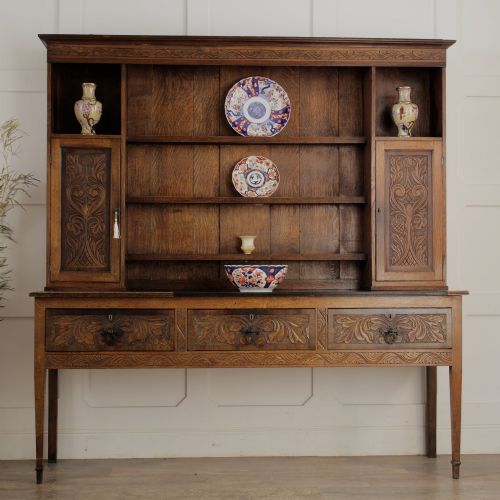
Oak served for robust sideboards and dressers, occasionally utilising Gothic revival motifs. Rosewood also appeared on select side cabinets alongside contrasting brass and ebony details.