




Mid Victorian Mahogany Chairs
Mid victorian mahogany chairs combine robust nineteenth-century timbers with enduring domestic forms, offering both sturdy seating and period character for the home.
Mid Victorian Mahogany Chairs
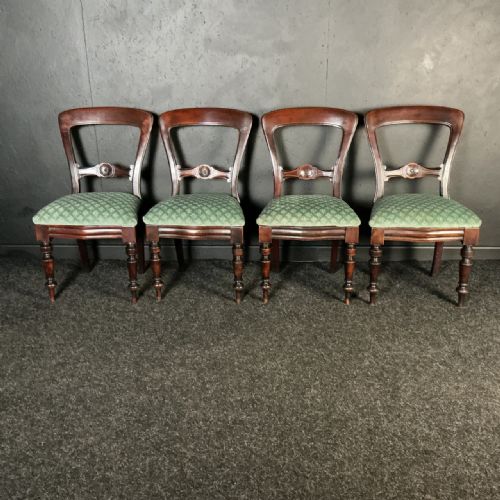
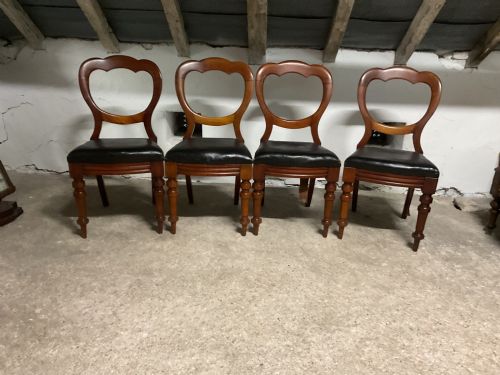
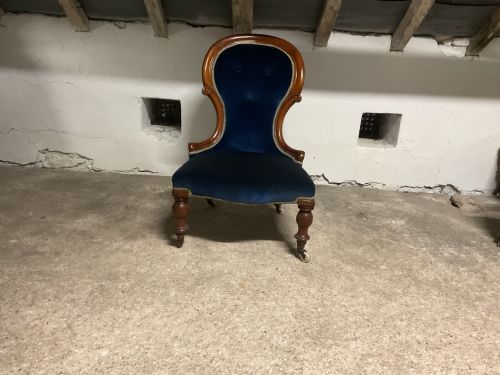
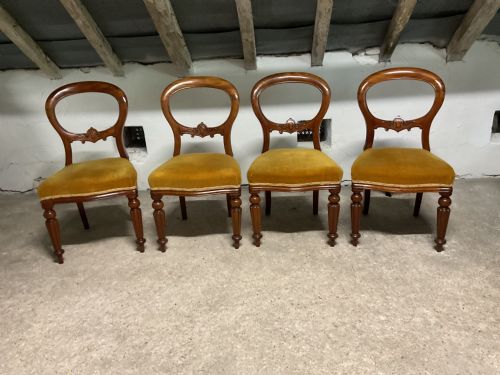
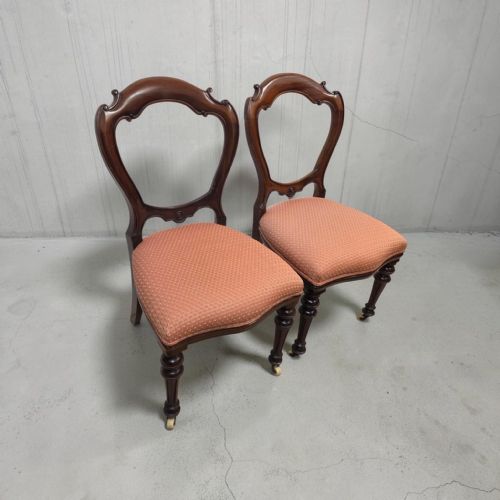
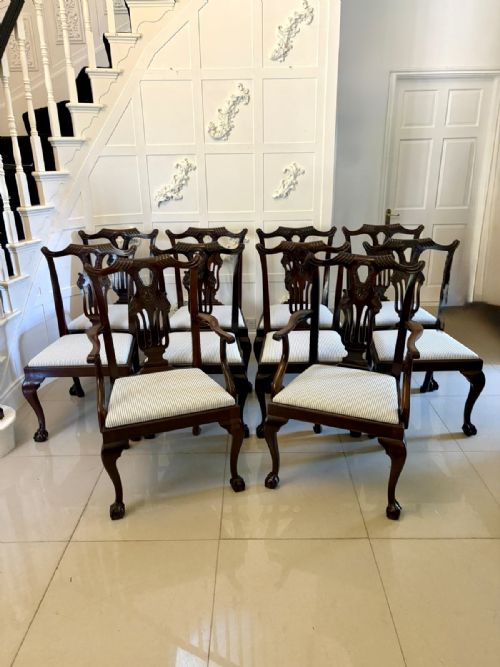
Mid victorian mahogany chairs encompass a wide variety of seating built during the middle decades of the nineteenth century, including dining chairs, armchairs, and nursing chairs. The evidence shows that balloon back dining chairs and sets of four or six are particularly common forms on this page.
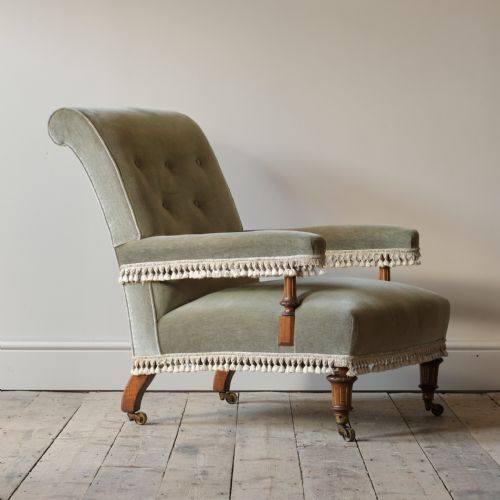
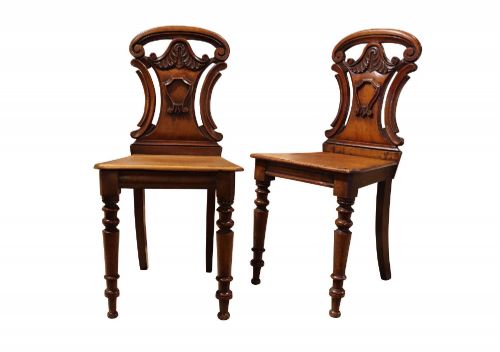
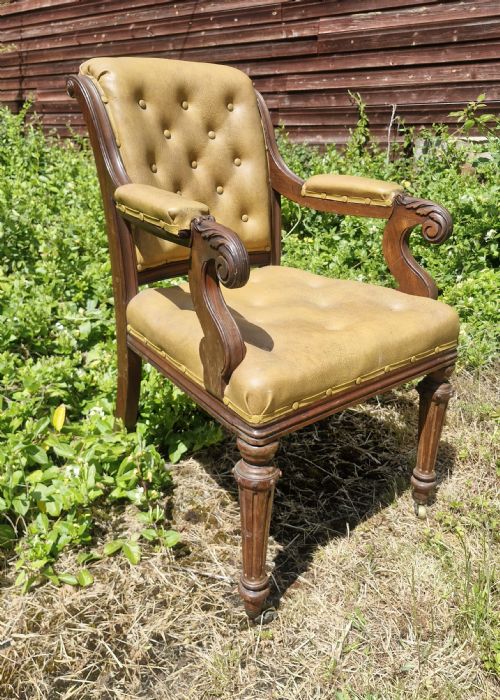
Makers and workshops of the period also produced specialised pieces such as hall chairs, library armchairs, desk chairs, and chaise longues. These items reflect the diverse domestic requirements of nineteenth-century households, utilising dense tropical hardwoods alongside occasional walnut framing.
How they were made
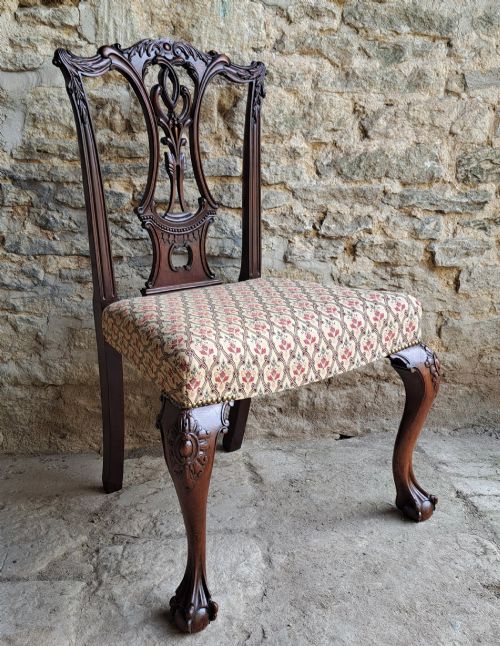
Cabinetmakers constructed these frames primarily from solid mahogany, often carving details into the crest rails and front legs while utilising brass castors or ceramic components for mobility. Joinery relied on traditional mortise and tenon techniques to ensure structural rigidity across dining sets and library armchairs.
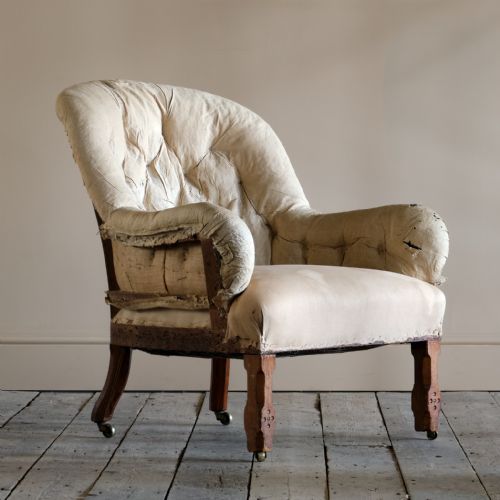
Upholstered variants incorporate textiles such as velvet, fabric, leather, and modern replacement coverings over sprung or padded seats. Buttoning and decorative studs frequently secured these coverings to the wooden framework, aligning with the stylistic revivals of the era.
One nimble iron back armchair stands ready for nineteenth-century posture correction.
What varies in quality
The degree of hand carving and the crispness of detail on the woodwork distinguish standard production seating from finer workshop outputs. Robust timber selection and balanced proportions across large matching sets elevate certain dining chairs above simpler single items.
Attribution to documented cabinetmakers like Gillows or Holland and Sons introduces an additional tier of distinction in the craftsmanship. Furthermore, the integrity of the original frame construction and the subtlety of stylistic revivals such as Chippendale style influence overall standing.
Gillows·Holland and Sons
The Mid Victorian Mahogany Chairs Glossary
- Balloon back
- A chair back shaped like a rounded balloon, characteristic of many Victorian dining seats. This curved wooden form offers ergonomic support.
- Carver
- An armchair designed to match a set of smaller dining chairs, typically placed at the head of a table. These pieces often feature open arms and sturdy mahogany frames.
- Library armchair
- A generous, heavily upholstered seat intended for prolonged reading or study. They frequently incorporate mahogany framework and deep padding.
- Campaign chair
- A portable or adjustable seating form designed for travel during the nineteenth century. These clever pieces often fold or adjust mechanically.
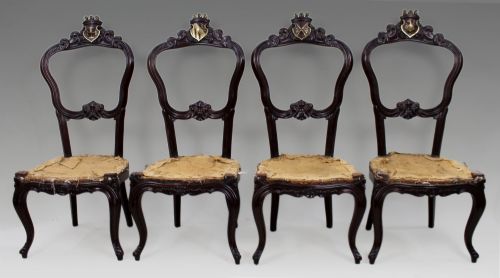
- Heraldic crested
- Featuring an engraved or carved family crest upon the wooden backrest. Such details indicate bespoke commissions for landed estates.
Mid Victorian Mahogany Chairs: Frequently Asked Questions
How do I date mid victorian mahogany chairs?
Dating relies on stylistic shifts, construction methods, and documented maker attributions found across the nineteenth century. Details like balloon back profiles and carved crest rails help narrow the decade.
Evidence from nineteenth-century periods shows specific design cues evolving from William IV influences toward later revival styles by the eighteen-eighties.
Were these chairs used only for dining?
While dining sets form a large portion of the available pieces, nineteenth-century seating served many domestic functions. Workshops produced specialised designs for libraries, bedrooms, hallways, and drawing rooms.
Examples include low nursing chairs, desk armchairs, hall chairs, and chaise longues, each tailored to specific daily activities within the home.
Are large sets difficult to find?
Complete sets of six or more matching chairs appear regularly, though pairs and single armchairs are also common. Dining sets often survived together in larger households.
Matching sets of ten or twelve pieces represent more substantial surviving groups from nineteenth-century dining rooms.
What wood was used besides mahogany?
Mahogany remains the dominant timber across these listings, prized for its strength and rich grain. Walnut also appears among Victorian dining chairs and salon seating.
These dense hardwoods provided the necessary structural integrity for intricate carving on chair backs and cabriole legs.