




Mid Century Portraiture
Mid century portraiture captures the human face with striking twentieth century realism and direct character.
Mid Century Portraiture
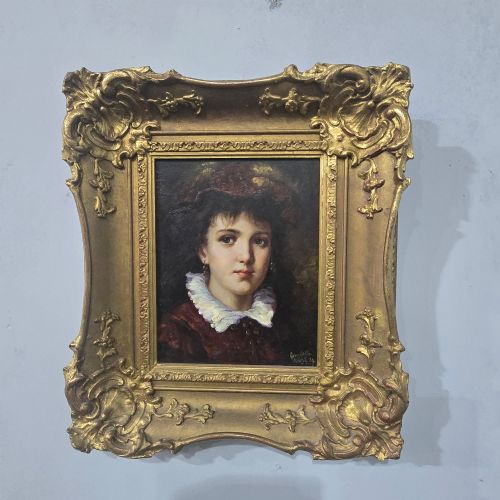
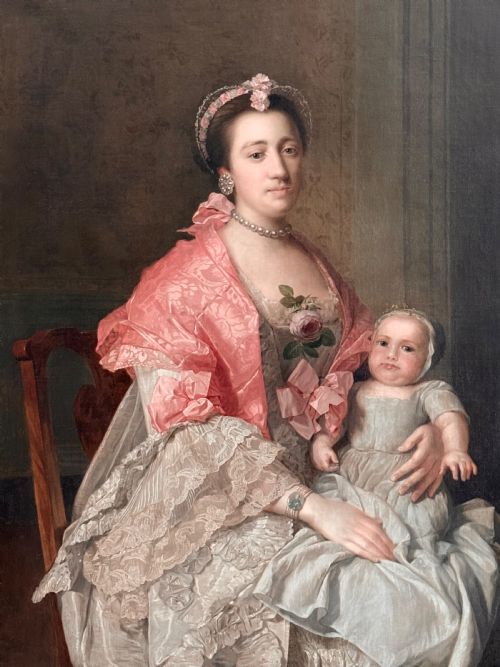
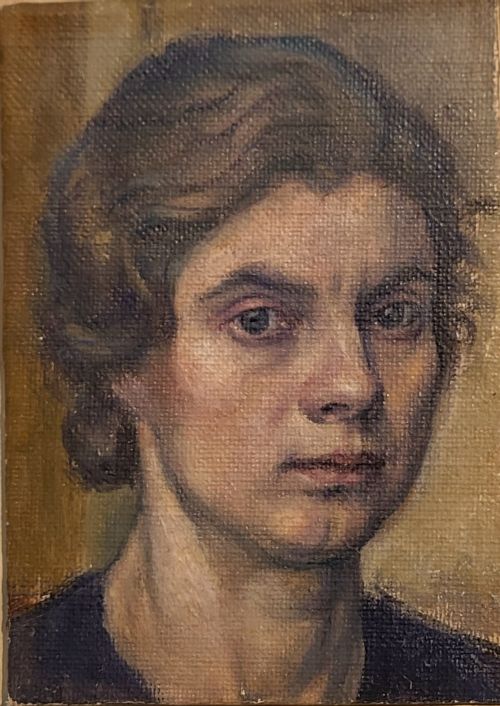
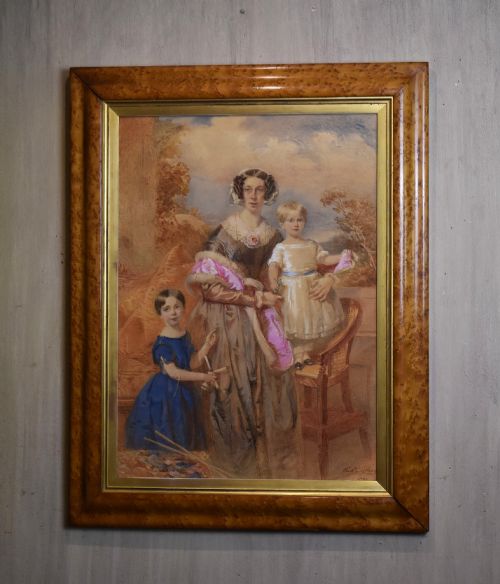
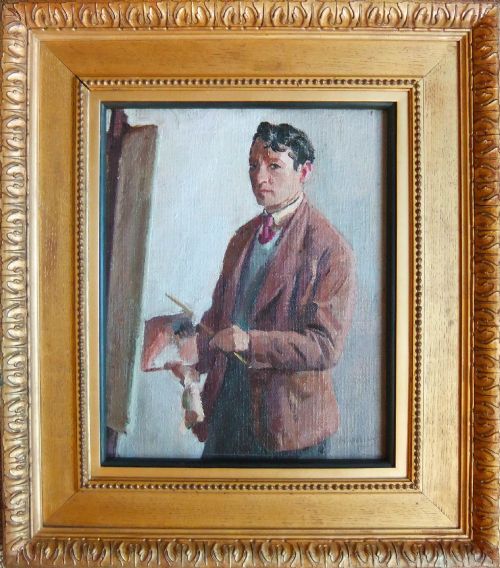
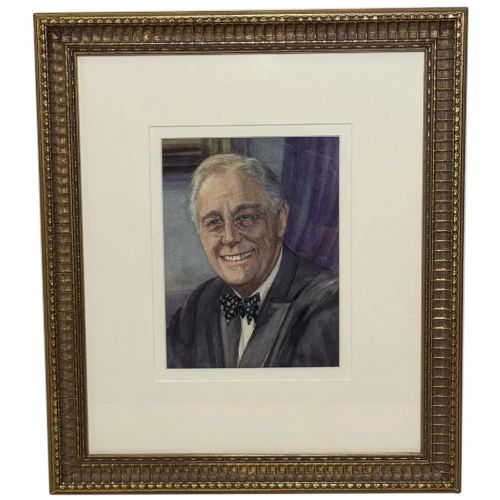
Mid century portraiture encompasses painted and drawn likenesses created during the middle decades of the twentieth century, alongside earlier traditional works that influence the genre. Buyers encounter oil paintings on canvas and board, watercolours on paper, and pastel works that depict individuals ranging from military officers and monarchs to everyday subjects and animals.
The selection on this page relies heavily upon mid-twentieth-century examples from the 1930s, 1940s, 1950s, and 1960s, alongside historical pieces from the eighteenth and nineteenth centuries. These works reflect diverse stylistic movements including modern British art, 20th-century realism, and Bloomsbury style traditions.
How they were made
Artists of this period applied oil paint, watercolour, oil pastels, and pencil directly onto supports of prepared canvas, wooden board, and heavy paper. Many works incorporate traditional framing often finished with gilt or gold leaf to complement the painted composition.
Techniques range from loose, expressive brushwork seen in modernist pieces to detailed academic draftsmanship. The choice of medium directly dictates the texture and visual depth of the final likeness.
Mid Century Portraiture Retail Price Guide 2026
Typical asking prices for mid century portraiture among the pieces listed under this phrase on Sellingantiques today, from the lower quarter to the upper quarter. They describe what is for sale here now, not the wider market.
Listings feature works spanning from the eighteenth century to the 1960s, executed in oil, watercolour, pencil, and pastel.
What varies in quality
Quality rests upon the artist's ability to capture anatomical proportion and psychological depth within the subject's expression. Stronger pieces display confident handling of the medium, whether through fluid oil application or precise pencil work.
The prominence of the sitter and the documented provenance of the artist elevate the standing of individual pieces. Works by established Royal Academicians or internationally recognised painters demonstrate superior draftsmanship compared to anonymous school outputs.
Jonny Gaston·Sir Allan Ramsay·Frederick Tatham·Philip Naviasky·Attilio Toro·Sir Winston Churchill·Robert Faulkner·Jean Denis Maillart·Aubrey Sykes·Faeq Hassan·Muriel Metcalfe·Bernard Meninsky·John E. Bosanquet·Allan Gwynne-Jones·John Gilroy·John Laviers Wheatley·Arthur Royce Bradbury·George R Havelka·Edward Bainbridge Copnall·Juliet Pannett
The Mid Century Portraiture Glossary
- Oil on Canvas
- A painting execution where oil-based pigments are applied to a woven fabric stretched across a wooden frame. This method allows for rich colour blending and textured brushstrokes.
- Watercolour
- A painting method where coloured pigments are suspended in a water-based solution and applied to paper. It produces translucent washes of colour that rely on the white of the paper for luminosity.
- Oil Pastel
- A painting and drawing medium formed from pigment mixed with a binder of oil and wax. It provides heavy, buttery coverage with strong colour intensity.
- Gilt
- A thin layer of gold applied to wood or framing surfaces using gold leaf or liquid paint. This finish adds reflective warmth to the border of the artwork.
- Canvas
- A heavy woven fabric utilised as a surface foundation for oil and acrylic paintings. It provides structural durability and a textured tooth for holding pigment.
Mid Century Portraiture: Frequently Asked Questions
How do I date mid century portraiture?
Dating relies upon stylistic markers, artist biographies, and framing materials characteristic of the 1930s through the 1960s. Clothing styles and hairstyles depicted in the artwork also provide reliable chronological clues.
Signatures, dates inscribed on the reverse, and exhibition labels offer definitive proof of creation periods. Comparing works to documented pieces by the same hand helps narrow the timeline further.
Where should I hang these paintings?
These portraits suit living rooms, studies, and hallways where adequate wall space allows the composition to anchor the room. Neutral walls help draw out the tones of oil and watercolour pigments.
Avoid placing canvas works in direct sunlight or areas with high humidity to protect the paint and support. Proper placement preserves the integrity of both the artwork and its frame.
What defines modern British portrait style?
Modern British portraiture rejects rigid academic formality in favour of expressive brushwork, psychological insight, and simplified forms. Artists working in this tradition prioritised character and mood over photographic accuracy.
Influences from continental European modernism blended with domestic traditions to shape these distinct mid-century interpretations. The resulting works focus heavily on the individual identity of the sitter.