

Mid Century Oil Art
Mid century oil art brings textured brushwork and mid-century modernism into interior spaces through original canvas and board paintings.
Mid Century Oil Art
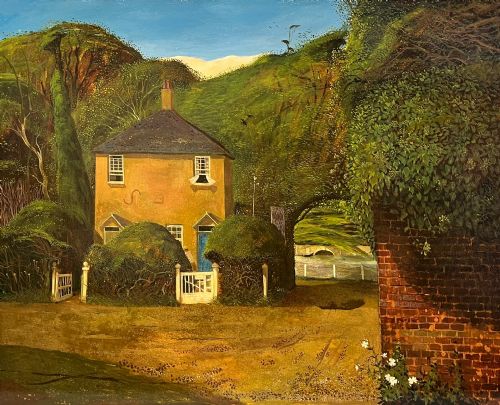
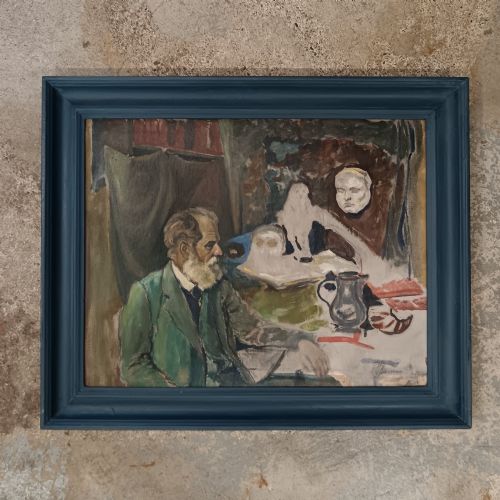
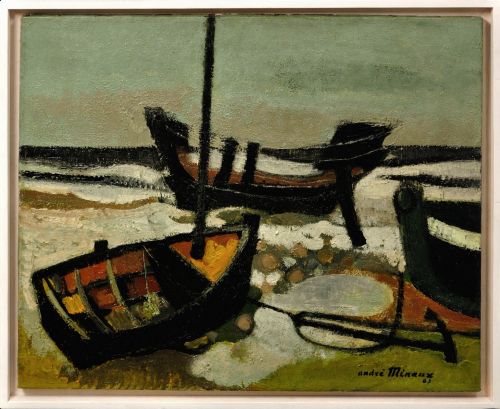
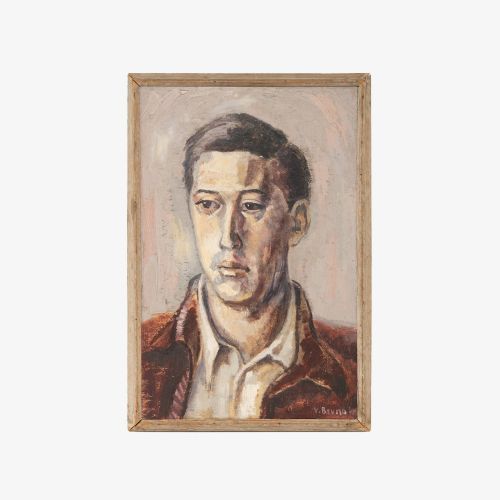
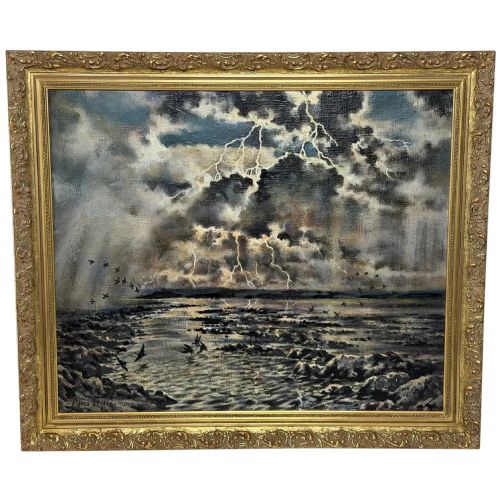
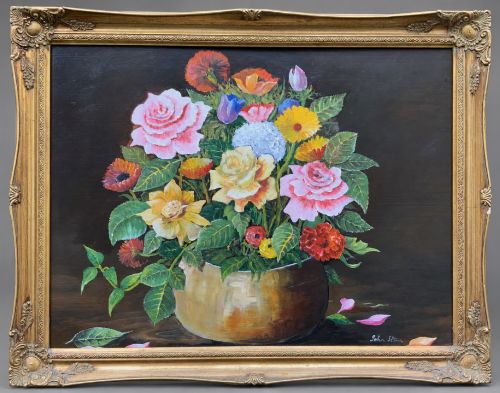
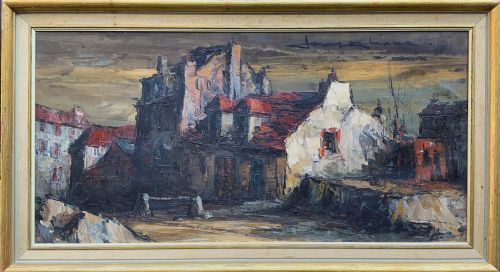
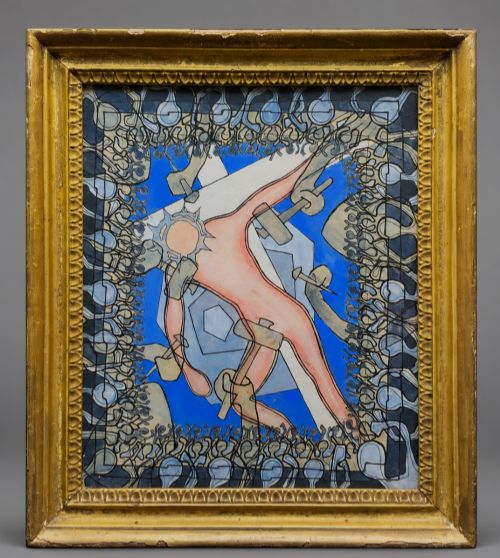
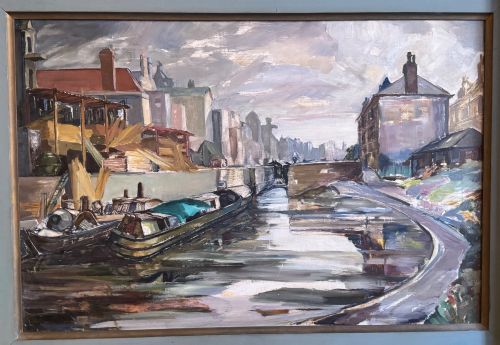
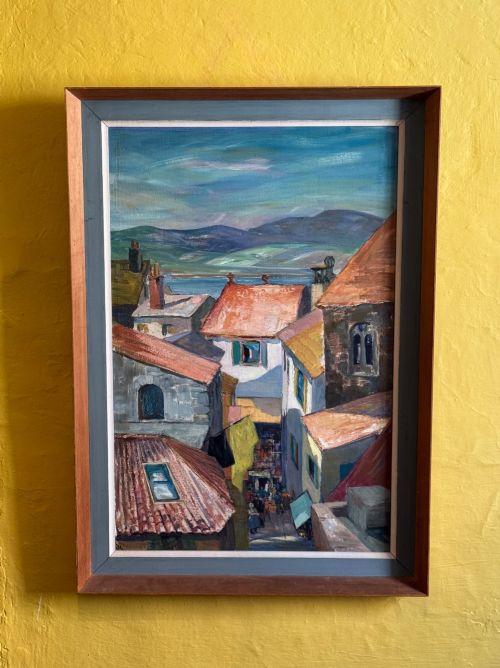
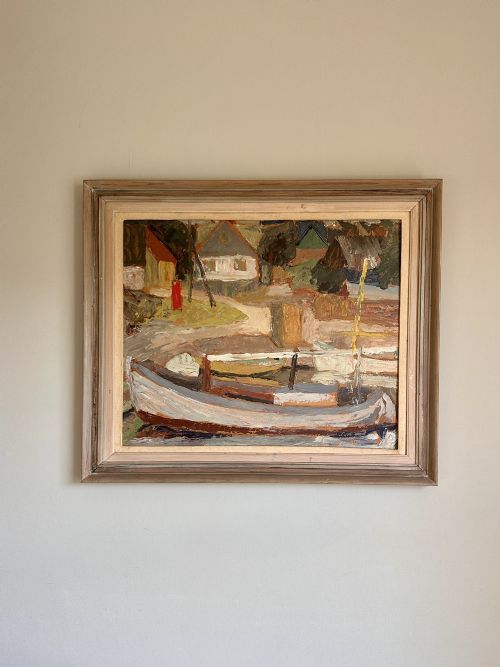
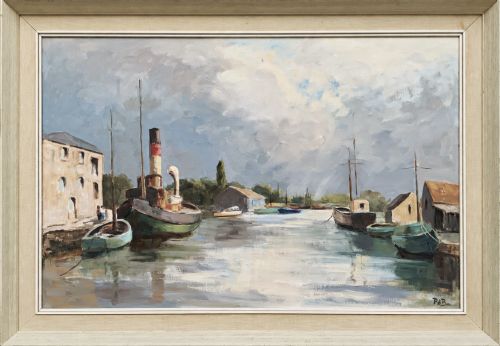
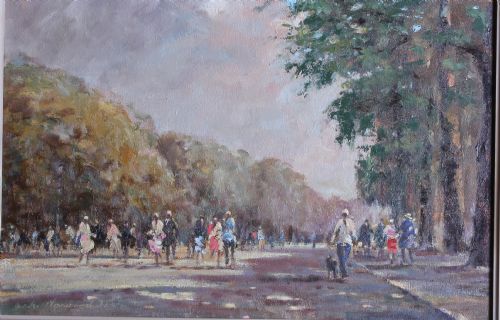
Mid century oil art encompasses original paintings created primarily during the middle decades of the twentieth century, focusing on mid-century modern, modern British, and impressionist styles. These works range from coastal townscapes and maritime scenes to floral still lifes, equestrian studies, and character portraits.
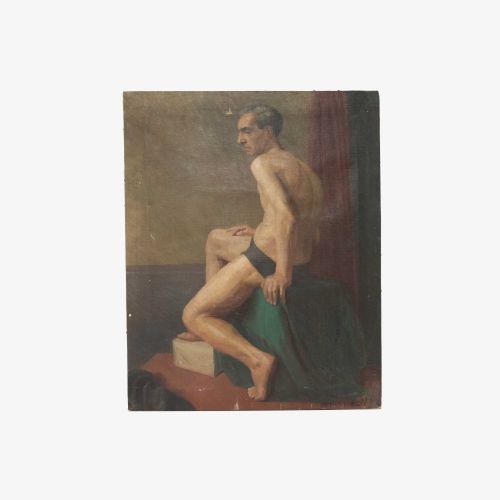
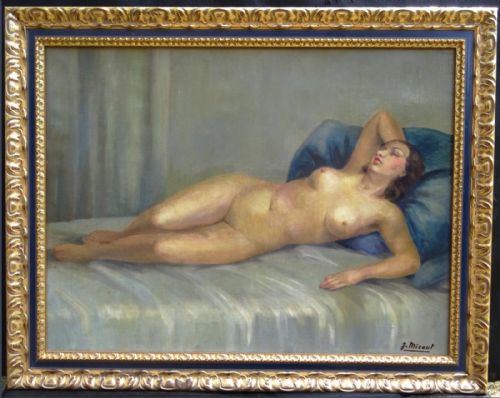
Buyers seeking mid century oil art most frequently encounter pieces executed on canvas or board from the nineteen-fifties and sixties. Subject matter varies widely, spanning industrial canal views, French landscapes, and academic nude life classes.
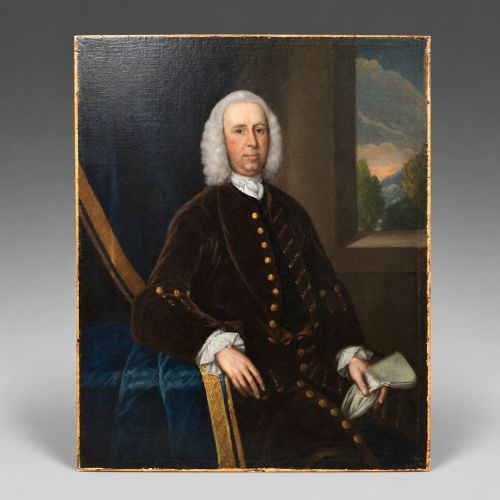
While the core of the selection belongs to the mid-century period, collectors also encounter occasional earlier portraits and landscapes that share the same painterly medium. The diversity of the format allows these paintings to anchor modern interiors or complement traditional rooms.
Assessing Quality and Execution
Quality in mid century oil art rests upon the confidence of the brushwork and the clarity of the composition, whether depicting a quiet harbour or a complex interior scene. Superior pieces demonstrate deliberate control of light and shadow rather than mechanical replication.
The relationship between the subject and the surface determines visual success, with skilled artists utilising the grain of the board or the weave of the canvas to enhance the final image. Original frames that complement the period and palette add structural integrity and aesthetic cohesion.
Mid Century Oil Art Retail Price Guide 2026
Typical asking prices for mid century oil art among the pieces listed under this phrase on Sellingantiques today, from the lower quarter to the upper quarter. They describe what is for sale here now, not the wider market.
Listings feature works spanning from the seventeenth century through to the mid-twentieth century, with a strong concentration in the nineteen-fifties and sixties.
Moss Williams·John Stone·Jean Corbeau·Evelyn Harris·Peggy de Brett·John Horwood·Fred Yates·Lionel Ellis·Sushila Singh·Donald McIntyre·Henry Pickering·Kenneth Cozens·Bernard Hailstone·Sidney A. Court·D. L. Williams·Clive Browne·Peter Brannan·Paul Bret·Jean-Gabriel Domergue
The Mid Century Oil Art Glossary
- Impasto
- Paint applied thickly to a canvas or board, leaving visible brush or palette knife strokes that stand proud of the surface. This technique adds tactile three-dimensional depth to coastal waves and architectural details.
- Oil on board
- A painting execution where pigment is applied directly to a rigid wooden panel rather than stretched fabric. Boards provide a stable support that prevents the sagging sometimes found in older canvases.
- En plein air
- Painting outdoors in direct natural light to capture immediate atmospheric conditions. This method is frequently associated with coastal and landscape scenes.
- Modern British
- An artistic designation covering painting styles developed in Britain during the twentieth century, bridging traditional representation and modernist abstraction. It is seen across landscapes and figure studies.
Mid Century Oil Art: Frequently Asked Questions
How do I care for mid century oil paintings?
Keep paintings away from direct sunlight and dramatic temperature fluctuations to protect the oil pigments and canvas supports.
Dust surfaces gently with a soft, dry brush and avoid liquid cleaners that can damage aged varnish layers.
Are these paintings supplied with frames?
Many pieces retain their original frames, including swept gilt designs and period wooden mouldings that match the era of creation.
Check individual listings to confirm whether a specific artwork includes its framing.
How do I identify the date of an oil painting?
Look for artist signatures, dates inscribed on the reverse of boards, and stylistic clues typical of mid-century modernism or impressionism.
Framing materials and canvas types also offer reliable indicators of the period.
What is the difference between canvas and board supports?
Canvas involves woven fabric stretched across a wooden frame, offering slight give and a traditional textured surface for the oil paint.
Board provides a rigid wooden or composite panel backing, which was widely utilised by mid-century artists for en plein air work.