
Mid Century Impressionist Artwork
Mid century impressionist artwork captures light and motion on canvas and board, bringing vibrant brushwork and atmospheric scenes into domestic spaces.
Mid Century Impressionist Artwork
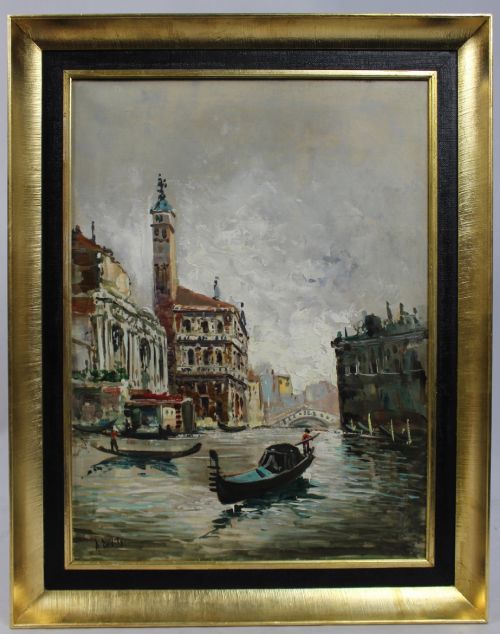
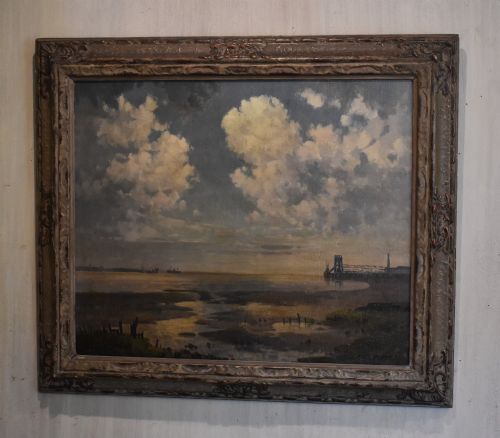
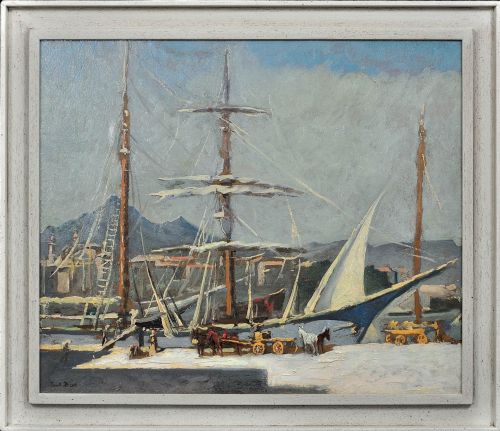
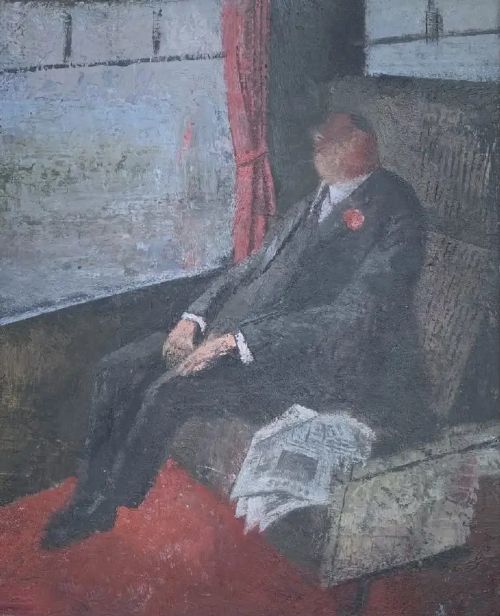
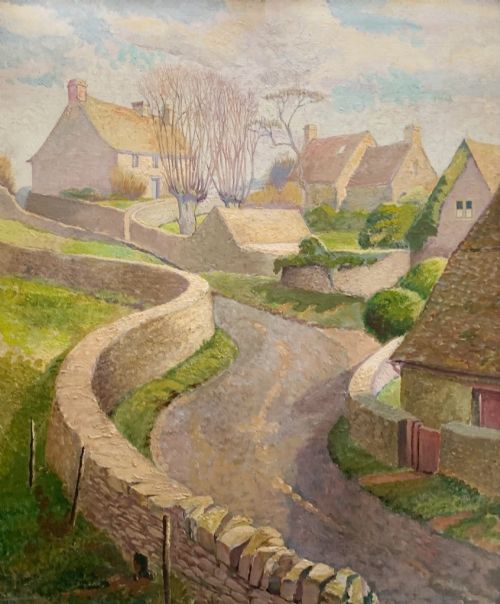
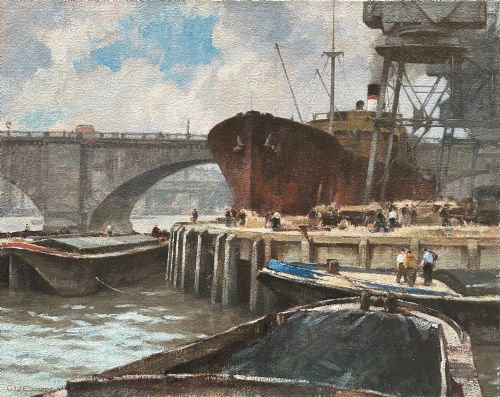
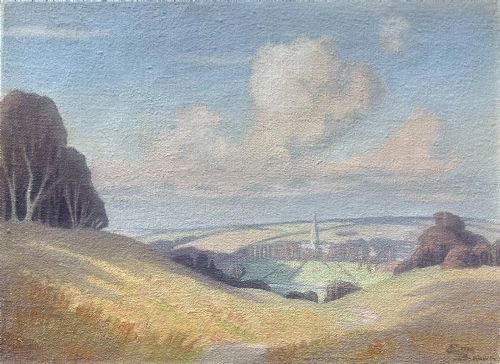
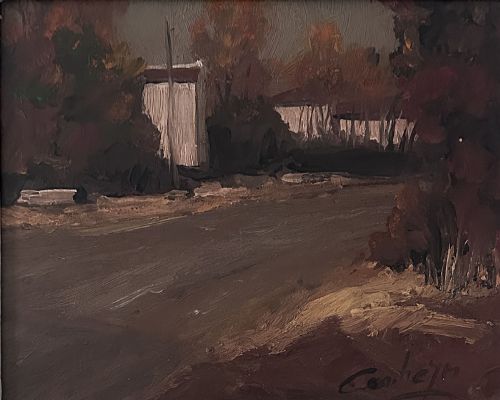
Mid century impressionist artwork encompasses paintings and works on paper created primarily through the decades leading up to the nineteen-sixties. These pieces record landscapes, harbours, cityscapes, and domestic interiors observed from life or recalled in studios across Britain, France, and wider Europe.
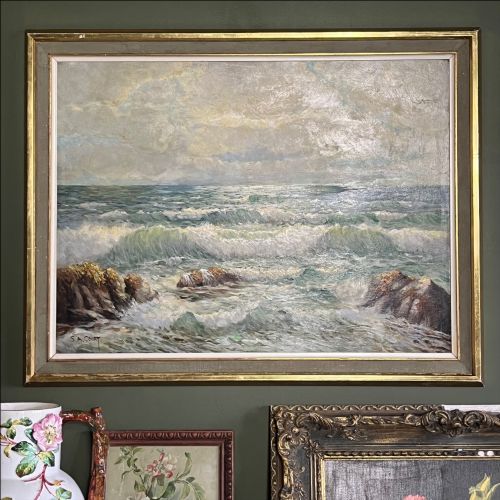
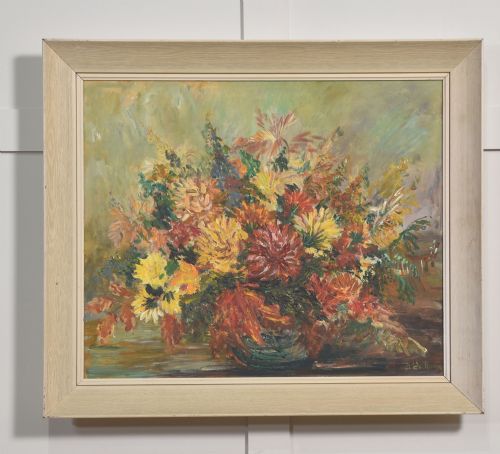
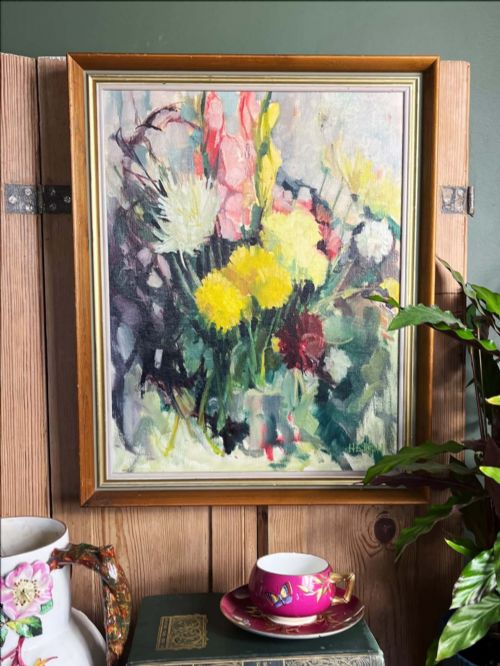
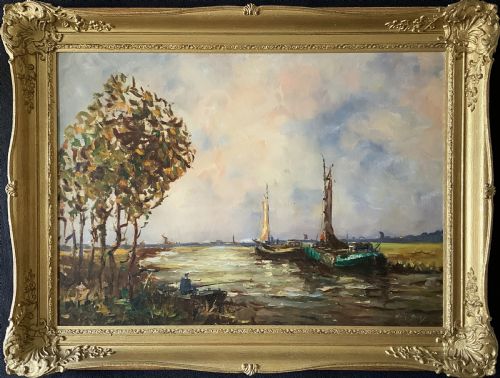
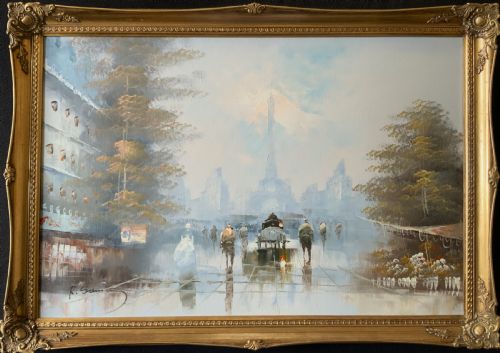
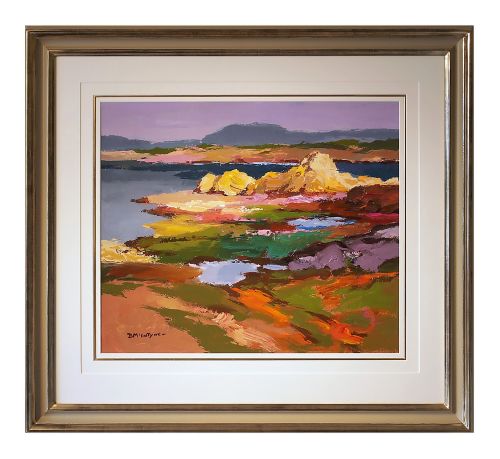
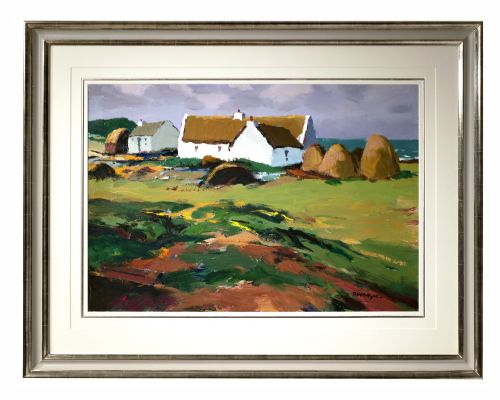
The most common examples encountered on this page are oil paintings on canvas or board, often housed within period wood or gilt frames. Artists working in this mode prioritized loose brushstrokes and natural illumination over rigid academic precision, capturing transient weather and bustling streets.
Representations span British coastal views, Parisian boulevards, and quiet rural villages, reflecting a broad post-war appetite for accessible, decorative art. Each piece relies on tactile pigment application to suggest the vitality of a specific place and moment.
Materials and Construction
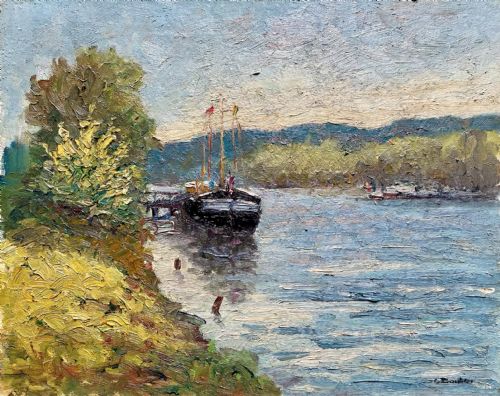
These works rely fundamentally on oil paint applied to woven canvas stretched over wooden frames or laid directly onto rigid board surfaces. Artists manipulated thick pigment with brushes and palette knives to build visible texture that catches natural room light.
Support materials include traditional canvas, prepared wood boards, and occasional watercolour or ink on paper for preparatory or mixed media drawings. Frames are typically constructed from wood, sometimes finished with carved plaster mouldings and gold leaf or gilt paint.
The combination of expressive brushwork and durable oil mediums ensures that these surfaces retain their rich colouration and impasto depth decades after creation.
Mid Century Impressionist Artwork Retail Price Guide 2026
Typical asking prices for mid century impressionist artwork among the pieces listed under this phrase on Sellingantiques today, from the lower quarter to the upper quarter. They describe what is for sale here now, not the wider market.
Listings feature oil paintings, watercolours, and mixed media works spanning the nineteenth century through the nineteen-sixties.
Evaluating Execution and Impact
Quality in these paintings rests on the confidence of the brushwork and the artist's command of light within the composition. Stronger examples demonstrate purposeful handling of pigment that builds spatial depth and atmosphere without relying on heavy outlines.
The relationship between the painted scene and its frame also influences the overall presence of the object. Pieces retaining original period wood or gilt frames offer a more cohesive visual integrity that enhances the character of the artwork.
Antonio DeVity·Willem Bos·Donald McIntyre·Ronald Ossory Dunlop·Caroline Burnett
The Mid Century Impressionist Artwork Glossary
- Impasto
- Paint applied thickly to a canvas or board, standing out in relief from the surface. This technique allows light to catch the physical ridges of pigment, adding tactile depth to water, clouds, or foliage.
- En plein air
- Painting outdoors to directly observe the shifting effects of natural light and weather on a subject. Artists working this way often completed their canvases on location.
- Post-Impressionism
- An artistic movement following impressionism that explored emotional response and structural form through bolder colour and distinct brushwork. Practitioners retained the outdoor focus while pushing painterly boundaries.
- Provenance
- The documented history of ownership associated with a work of art. Clear records help establish authenticity and trace the journey of a painting through collections.
Mid Century Impressionist Artwork: Frequently Asked Questions
What subjects are most common?
Landscapes, coastal harbours, and urban street scenes dominate the selection. Artists frequently recorded everyday local views, from Cornish fishing ports to Parisian boulevards.
Still lifes and figurative portraits also appear regularly, offering intimate glimpses into domestic interiors and quiet daily routines.
How should I hang these paintings?
Display these works away from direct sunlight to protect oil pigments and paper supports from fading. Natural room lighting enhances the visible texture and impasto of the paint.
Ensure wall fixings match the weight of the wood or gilt frame to support the piece securely.
Are original frames important?
Original frames provide valuable context regarding the age and presentation style of the artwork. Mid-century wood and gilt mouldings complement the painterly aesthetic of the period.
Minor wear on vintage frames often reflects their age and history within domestic settings.
How do I distinguish regional schools?
British pieces often feature muted coastal tones and pastoral village settings. French and continental works frequently lean towards brighter palettes and bustling urban scenes.
Signatures, framing styles, and stretcher construction can offer further clues to the origin of anonymous pieces.