
Mid Century British Art
Mid century british art captures the observant eye through oil and watercolour, bringing home the grounded character of twentieth century landscapes and portraits.
Mid Century British Art
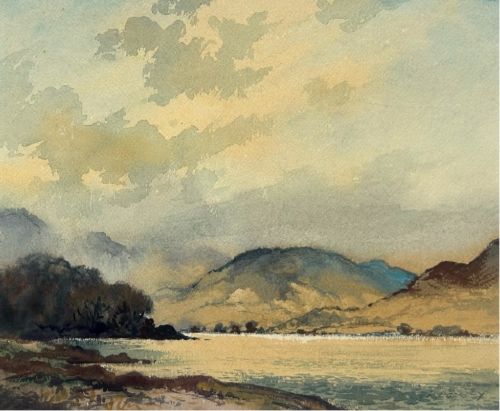
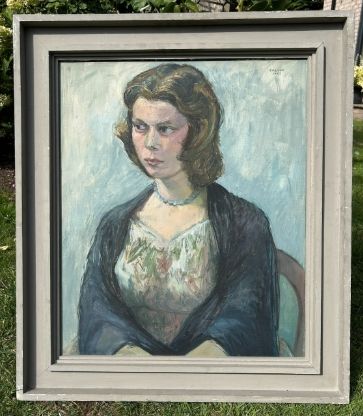
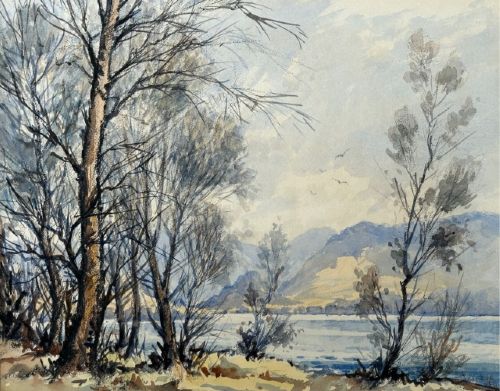
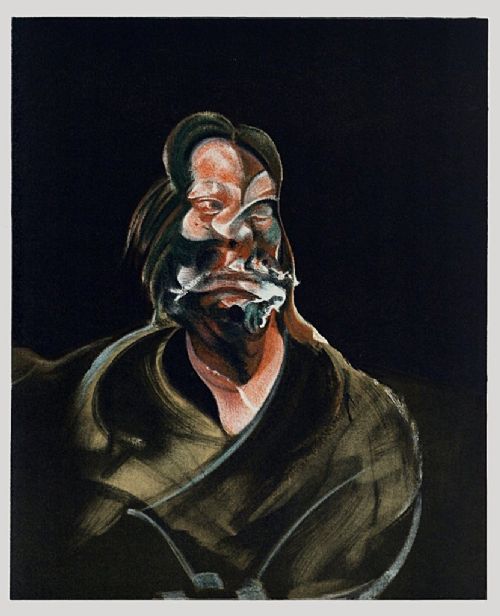
Mid century british art centres on original paintings and watercolours produced across the middle decades of the twentieth century. These works capture landscapes, townscapes, and portraits with a distinctively British sensibility, drawing on movements like modern british and mid-century modernism.
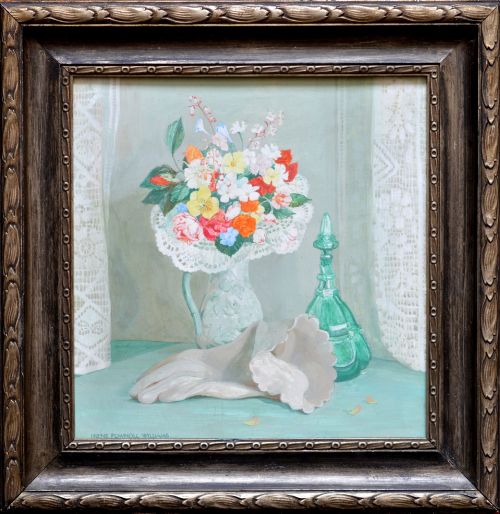
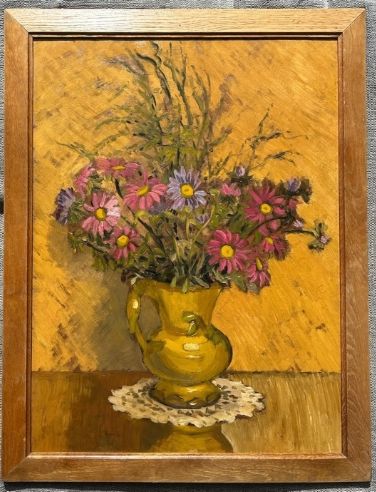
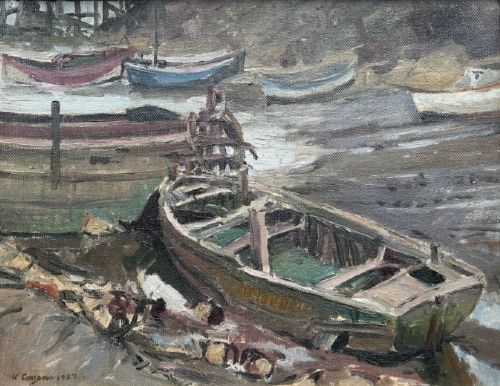
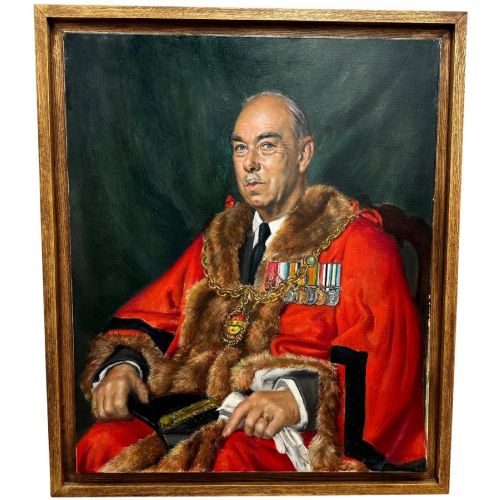
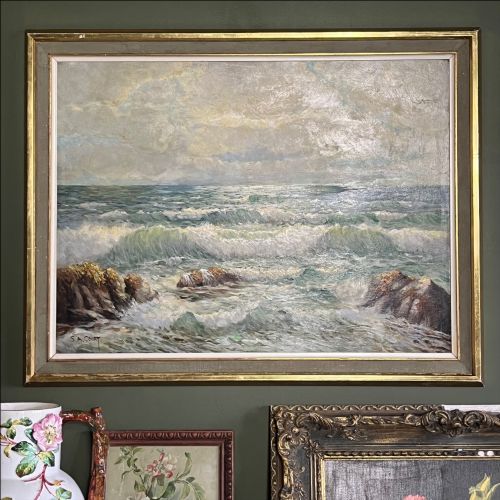
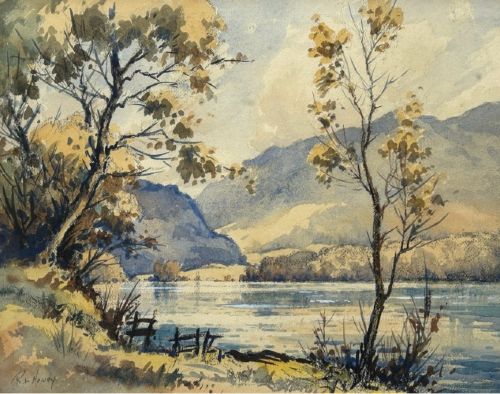
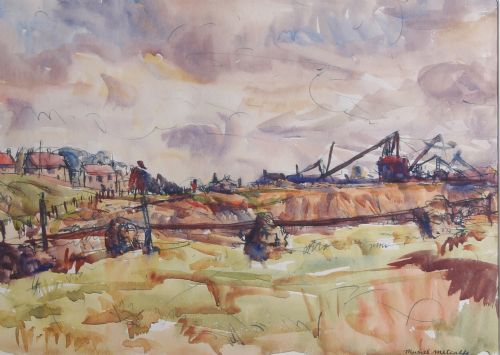
Buyers encounter oil paintings on board and canvas alongside works on paper and pastel sketches. The subjects range from Cumbrian lakes and northern industrial street scenes to coastal views and intimate portraits.
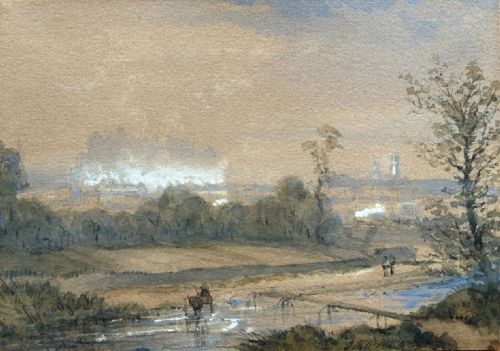
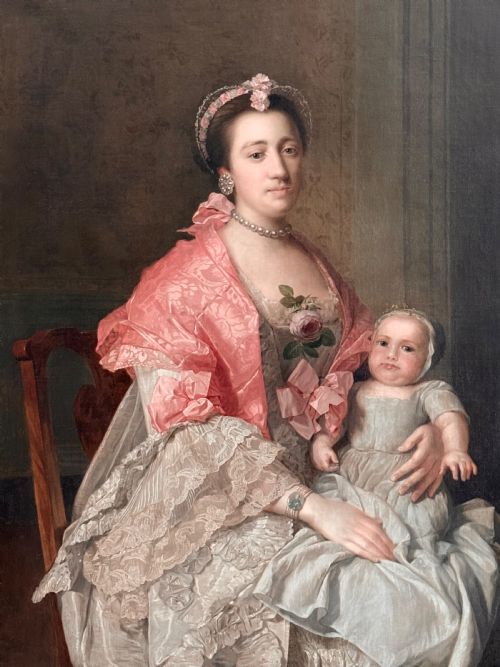
While the primary focus rests on the mid-century period, the selection also includes earlier Georgian portraits and nineteenth-century watercolours that provide context for the later modernist developments.
Materials and technique
Artists painted primarily with oil paint on stretched canvas or prepared board, layering pigments to build texture and depth. Watercolours on paper capture lighter, more immediate atmospheric effects, particularly in landscape subjects.
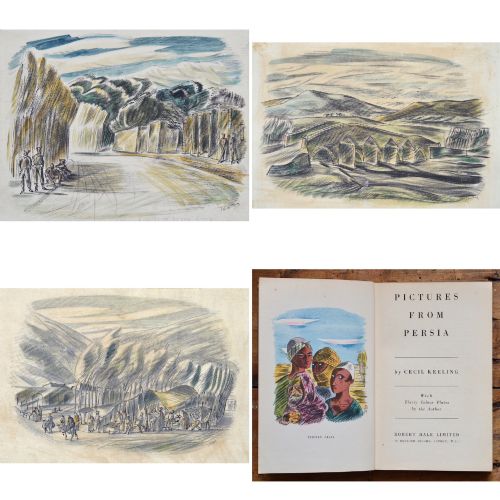
Draftsmanship underpins these works, whether through rapid pastel and gouache sketches or structured oil compositions created en plein air. Supports range from sturdy wood boards to fine paper and canvas.
Mid Century British Art Retail Price Guide 2026
Typical asking prices for mid century british art among the pieces listed under this phrase on Sellingantiques today, from the lower quarter to the upper quarter. They describe what is for sale here now, not the wider market.
Keep an eye out for a jaunty green nineteen-nineteen singer motorcar sharing the canvas with northern industrial street life.
Evaluating quality in these works
Quality rests upon the sureness of the brushwork and the artist's command of tone and composition. A strong piece displays deliberate mark-making that defines space and form with economy and confidence.
The relationship between subject and medium matters greatly, where the handling of oil paint or watercolour enhances the specific atmosphere of a northern townscape or a quiet coastal view.
Kenneth Cozens·Bernard Hailstone·John R Prentice·Robert Leslie Howey·James Fry·James Stroudley·Samuel Rabin·Donald McIntyre·Dion Pears·Charles James McCall·Stuart Walton·Philip Naviasky·Lilian Colbourn·Arthur Delaney
The Mid Century British Art Glossary
- Board
- A rigid flat panel, often made of wood or wood pulp, used as a sturdy support for oil painting.
- En plein air
- The practice of painting outdoors directly from the subject to capture natural light and atmosphere.
- Board
- A rigid flat panel, often made of wood or wood pulp, used as a sturdy support for oil painting.
- Gouache
- An opaque water-based paint that dries to a matte finish, heavier and more solid than watercolour.
Mid Century British Art: Frequently Asked Questions
What subjects do these paintings show?
The selections feature a wide variety of subjects including northern industrial street scenes, Cumbrian lake landscapes, and coastal views of Cornwall. Portraits of figures ranging from military officers to mayors also appear frequently.
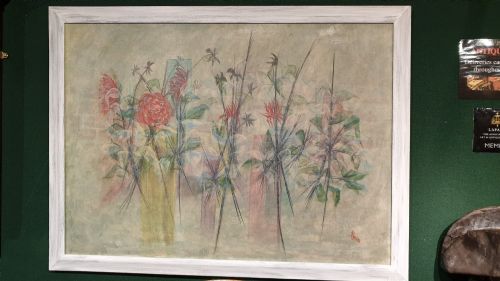
Alongside landscapes, artists recorded everyday scenes such as sporting events, still life arrangements of flowers, and city architecture in Paris and London.
How do I care for oil paintings on board?
Oil paintings on board require stable indoor humidity away from direct sunlight to prevent the wood from warping and the paint from fading. Dust them gently with a soft, dry brush without applying pressure.
Avoid hanging these works near heat sources or in damp areas like kitchens and bathrooms. Proper framing protects the edges of the board from moisture.
What is the difference between oil and watercolour?
Oil paint utilises slow-drying pigments suspended in oil, allowing artists to blend colours smoothly and build thick, textured layers. Watercolour uses water-soluble pigments on paper, creating luminous, translucent washes.
Oils are typically executed on canvas or board and offer rich depth, while watercolours rely on the white of the paper to shine through delicate washes.
How can I tell a mid-century piece from an older work?
Mid-century works often employ the bold palettes and simplified forms characteristic of modernism and twentieth century realism. The framing, pigments, and preparation of the canvas or board often reflect mid-century manufacturing methods.
Earlier works from the eighteenth and nineteenth centuries tend toward traditional academic realism, muted palettes, and distinct canvas weaves or paper watermarks.