
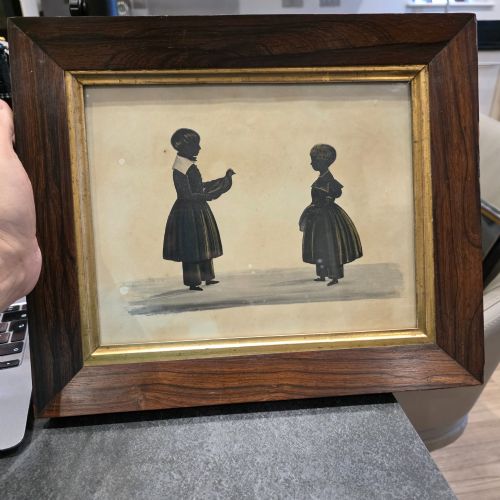
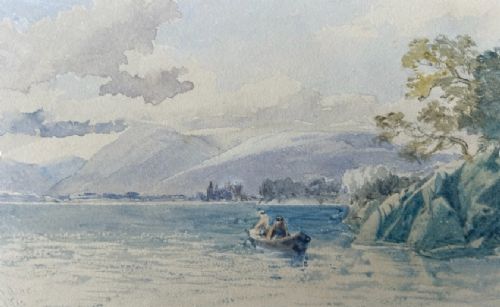
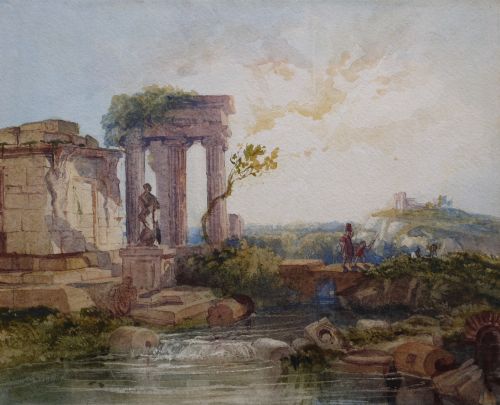
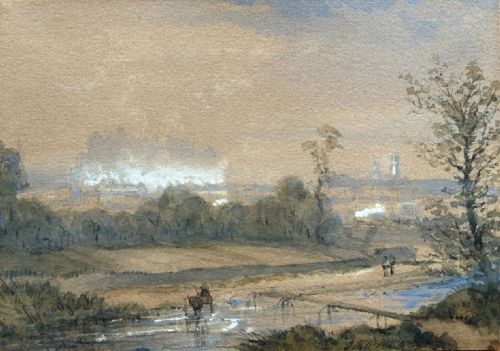


Mid 19th Century Artwork
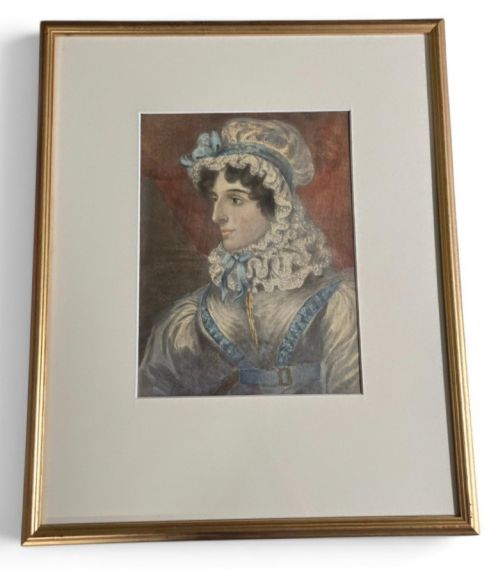
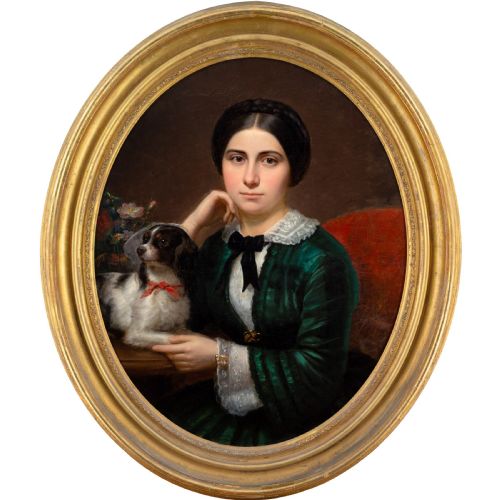
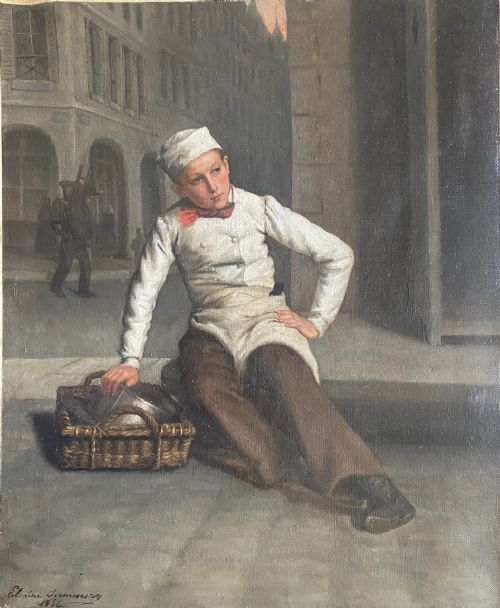
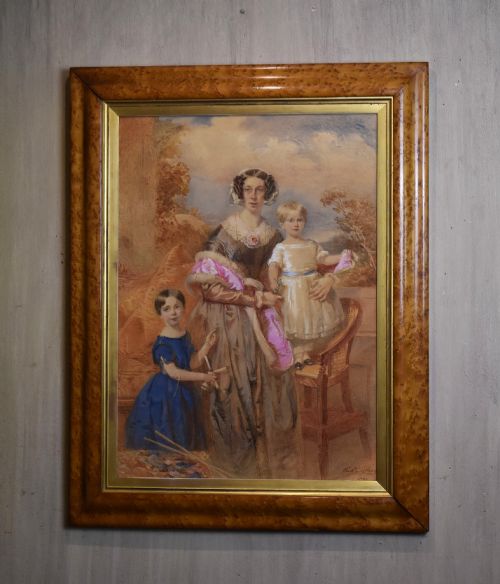
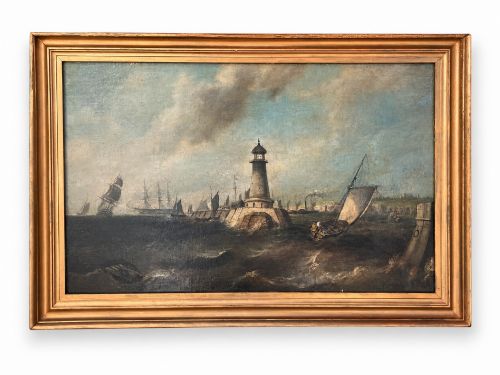
These mid 19th century artwork pieces capture the visual culture of the Victorian era through intimate portraits and landscape scenes.
Mid 19th Century Artwork
Mid 19th century artwork encompasses paintings, drawings and framed decorative works produced across the Victorian period, including Regency and Georgian survivals. Buyers encounter watercolours, oil paintings on canvas and board, graphite drawings and mixed media pieces.
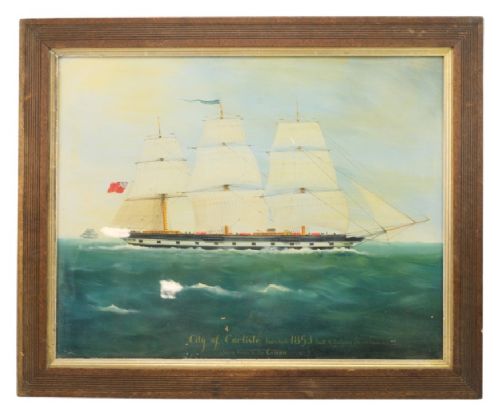
The selections span British, French, German and Italian schools, recording subjects from maritime shipping and Scottish landscapes to domestic portraiture and theatrical prints. Many carry specific dates from the eighteen-forties and fifties alongside artist signatures or attribution notes.
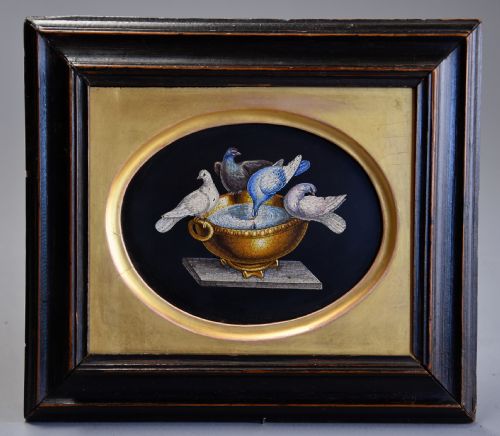
Framed works frequently utilise period materials such as gilt wood or ebonised frames to house paper, silkwork, needlework and micromosaic plaques. These objects document historical events, family groups and academic studies created by professional painters and folk artists alike.
Materials and techniques
Artists of this period applied oil paint to canvas, wood panels and board, while others worked in watercolour, gouache and graphite on paper. Supporting structures incorporate gold leaf, gilt wood, glass and paper.
Specialist techniques visible across the pieces include sand pictures, tinsel and decoupage prints, gros point needlework and silkwork pictures. Micromosaic plaques and hand-painted wooden icons demonstrate alternative decorative methods utilised during the era.
Materials recorded include paper, wood, glass, watercolour, gold leaf, gilt wood, canvas and oil on canvas.
Quality variations
The standard of execution ranges from naive folk art and amateur student drawings to polished academic life studies and salon-exhibiting works. Hand-painted details, precision of line in portraiture and the handling of light in landscapes distinguish individual pieces.
The preservation of original components, such as period gilt frames, glass and backing materials, influences the integrity of the surviving object. Signed works by documented artists carry stronger contextual attribution than anonymous school pieces.
Thomas Miles Richardson Jnr·Richard Principal Leitch·John R Prentice·Edward Bradford·Frederick Tatham·Nicholas Condy·Thomas Hicks·John Bell·J Bizo·Henry Barlow Carter·Robert Faulkner·Henry Earp Senior·Sam Bough·Benjamin Callow·John E Bosanquet·Alexandre Decamps
The Mid 19th Century Artwork Glossary
- Watercolour
- A painting method where fine pigment is suspended in water-based solution on paper. These works frequently use gum arabic to heighten colour intensity.
- Gilt Wood
- Wood carved and coated with a thin layer of gold leaf or metallic powder. This material frames many Victorian paintings and mirrors.
- Graphite Drawing
- An artwork created using carbon-based pencil on paper. Academic studies and intimate portraits often rely on this monochrome medium.
- Oil on Canvas
- Pigment bound in drying oil applied to a stretched woven fabric support. This technique allowed artists to build rich textures and deep tones.
- Micromosaic
- A decorative composition assembled from tiny coloured glass tesserae to form detailed pictorial scenes. These panels were popular souvenirs from the Grand Tour.
- Tondo
- A circular painting or relief sculpture. This format suits intimate portraits and balanced landscape compositions.
Mid 19th Century Artwork: Frequently Asked Questions
What subjects appear in mid 19th century artwork?
The listings feature portraits of individuals and family groups, alongside topographical watercolours of Scottish and English landscapes. Marine scenes, domestic animals and theatrical prints also occur frequently.
Historical events, architectural ruins and academic figure studies complete the range of subjects captured by artists of this period.
How do I identify the date of a piece?
Many works bear direct signatures, monograms or inscribed dates written by the artist on the front or reverse. Stylistic clues such as costume, hair styling and frame construction provide additional dating evidence.
Historical context, such as events connected to specific military campaigns or recorded exhibitions, helps narrow down the timeframe.
Are these works original period pieces?
The selection consists of authentic nineteenth-century items created during the Victorian, Regency and Georgian eras. Materials such as handmade paper, wood panels and traditional pigments reflect the production methods of the time.
Many pieces retain their original framing and mounting materials, preserving their historic character.
How should I care for antique watercolours?
Keep paper-based watercolours away from direct sunlight to prevent fading of the pigments and yellowing of the paper support. Maintain stable indoor humidity levels to protect both the artwork and its historical frame.
Display the pieces behind UV-filtering glass where possible to safeguard the delicate media from environmental damage.