




Mid 18th Century Dresser
A mid 18th century dresser brings substantial timber and practical tiered storage into a room, offering genuine period utility.
Mid 18th Century Dresser
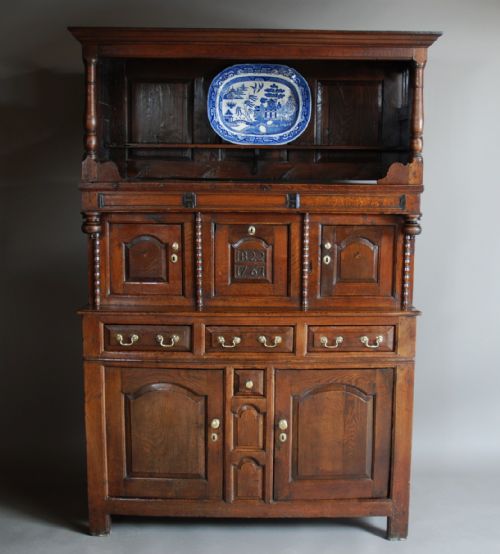
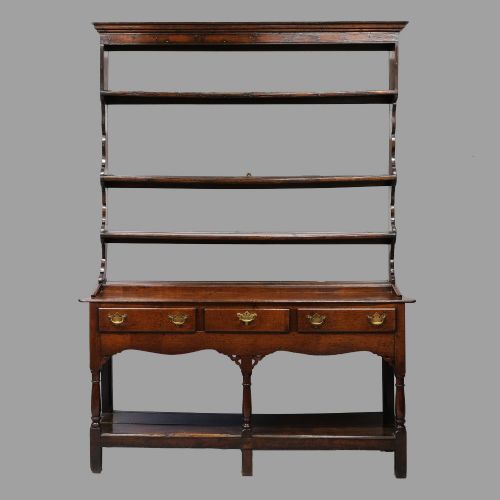
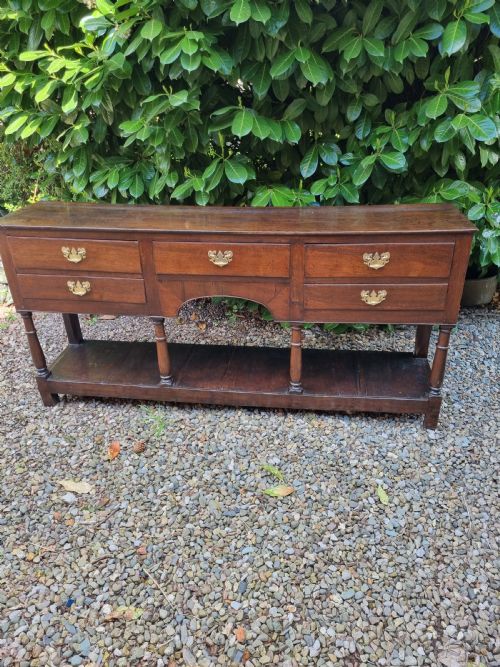
Regional variations span English, North Country, and Welsh workshops, with several examples specifically originating from Welsh districts. These regional pieces range from straightforward potboard dresser bases to elaborate constructions like the Welsh cwpwrdd tridarn, showcasing distinct local carpentering traditions.
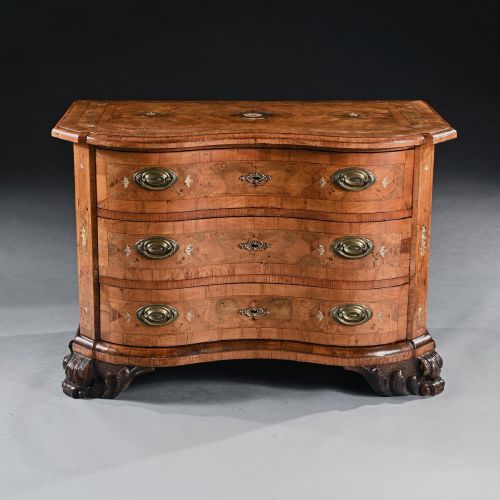
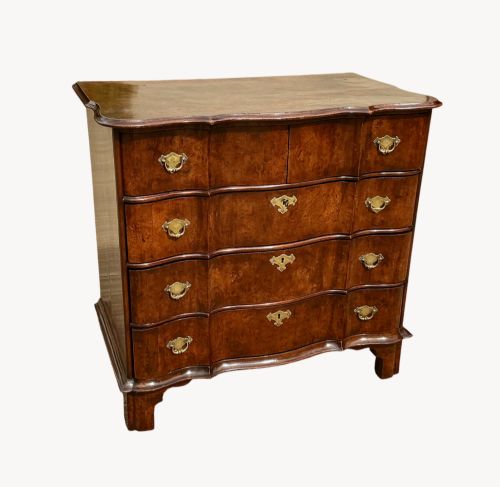
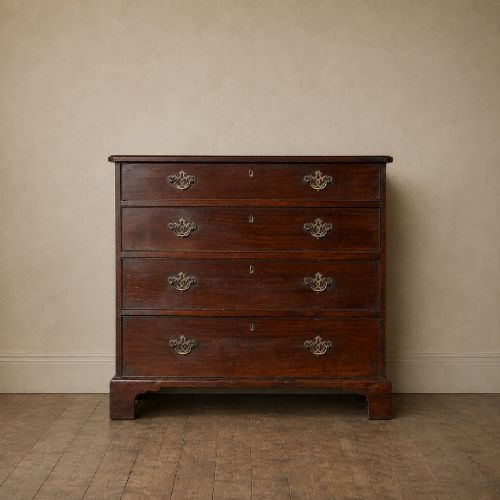
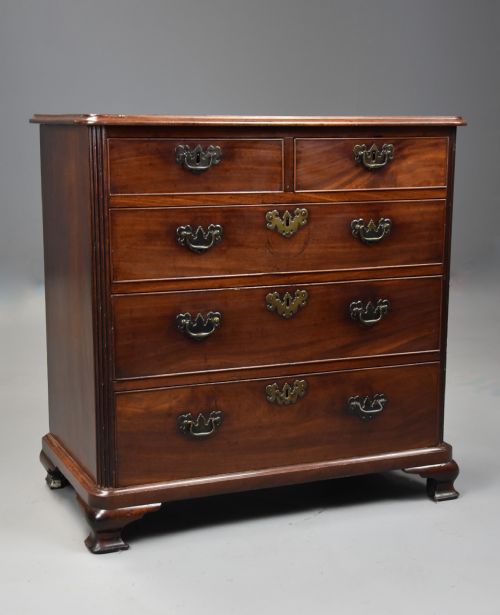
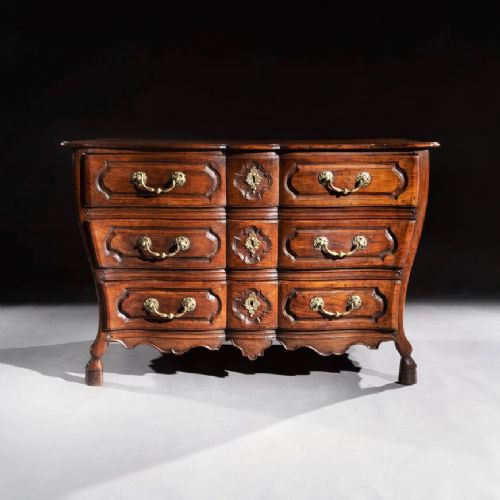
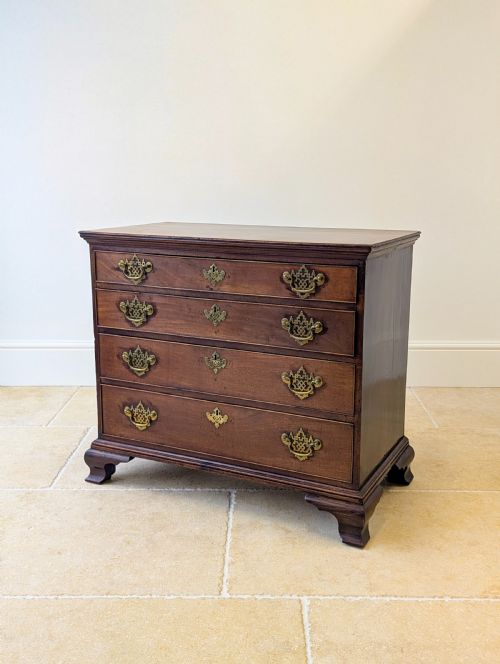
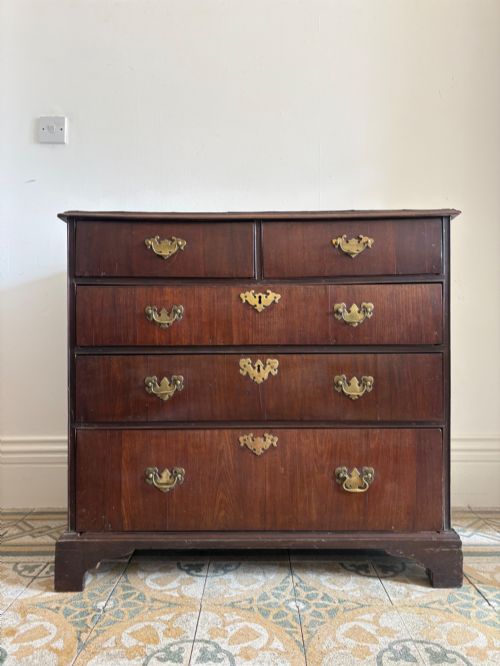
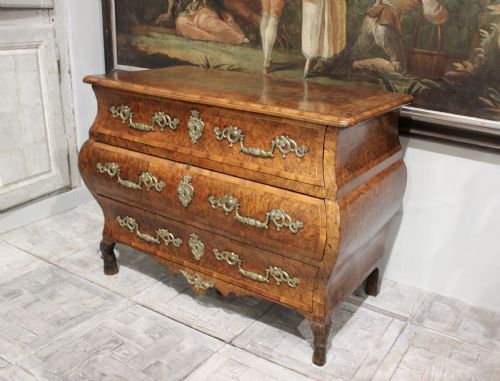
Alongside timber dressers, related storage forms emerge frequently in walnut, mahogany, and chestnut across this period. Chests of drawers, tallboys, and serpentine commodes reflect continental European and Georgian stylistic developments from George II and George III eras.
Materials and construction methods
Solid timber forms the foundation of these pieces, with English and Welsh items relying heavily on sturdy oak. Walnut, burr walnut, red walnut, and mahogany appear frequently on finer examples, occasionally augmented by fruit-wood, olive-wood, elm, or chestnut in provincial continental and regional pieces.
Cabinetmakers utilised traditional joinery alongside applied decorative techniques such as ivory marquetry and shaped serpentine drawer fronts. Original brass handles, escutcheons, and visible surface patination record the prolonged handling and ageing of the wood over centuries.
Listings feature oak alongside walnut, burr walnut, red walnut, mahogany, chestnut, and olive-wood.
Factors influencing quality
The degree of surface patination and colour depth distinguishes high-grade vernacular furniture from plainer examples. Pieces retaining an untouched, deep surface sheen and rich timber grain command greater interest from collectors.
Proportion and scale dictate the desirability of dresser bases and chests, with neat, compact dimensions proving particularly sought after. The integrity of original hardware, such as brass drawer handles and structural foot formations like cabriole legs, further separates standard examples from exceptional survivals.
The Mid 18th Century Dresser Glossary
- Potboard dresser base
- A low sideboard or dresser base featuring an open lower shelf, known as a potboard, positioned beneath the main drawers for storing heavy kitchen pottery. This open tier is characteristic of Welsh and English country workshops.
- Serpentine commode
- A chest of drawers or commode with a undulating, wave-like curved front edge popular during the mid eighteenth century. These forms frequently employ walnut or exotic veneers.
- Cwpwrdd tridarn
- A traditional Welsh three-piece partitioned cupboard or press framework originating from rural regions like Snowdonia. It represents an ambitious tier of vernacular carpentry.
- Patination
- The natural surface sheen, softening of edges, and colour change acquired by wood over long periods of exposure and handling. Collectors look for deep and unblemished patination.
- Tallboy
- A tall chest of drawers constructed in two stacked sections, often termed a chest-on-chest. These pieces maximise vertical storage capacity while displaying figured walnut or mahogany grain.
Mid 18th Century Dresser: Frequently Asked Questions
Where were these dressers originally made?
Many oak dresser bases originate from Welsh districts and Northern English counties where local workshops built sturdy oak furniture for domestic rural households. Other variations reflect regional cabinet-making centres across Britain and continental Europe.
Makers tailored their output to local timber supplies, leading to regional distinctiveness in leg shapes, drawer counts, and lower potboard shelf configurations.
How do I care for an antique oak dresser?
Keep wooden furniture away from direct heat sources and sudden humidity fluctuations to prevent timber splitting or warping over time. Periodic light waxing maintains the surface protection without building up heavy residue.
Avoid harsh chemical cleaners that strip the historic surface patination and dull the natural timber grain developed over generations.
What is a potboard base?
A potboard base is a lower sideboard structure featuring an open shelf positioned near the floor beneath the working drawers. Originally intended for storing heavy ceramic plates and pots, this lower tier defines many country pieces.
The open shelf sits on plain or shaped legs, differentiating these utilitarian bases from enclosed cupboards or modern sideboards.
How do I identify George II and George III styles?
George II designs often display heavier proportions, rich walnut or early mahogany timbers, and occasionally cabriole legs influenced by contemporary continental tastes. Chippendale period pieces introduce carved detail and refined bracket feet.
George III items typically shift toward cleaner architectural lines, lighter mahogany construction, and more restrained classical ornamentation as the century progressed.