



Mezzotint Reverse Painting
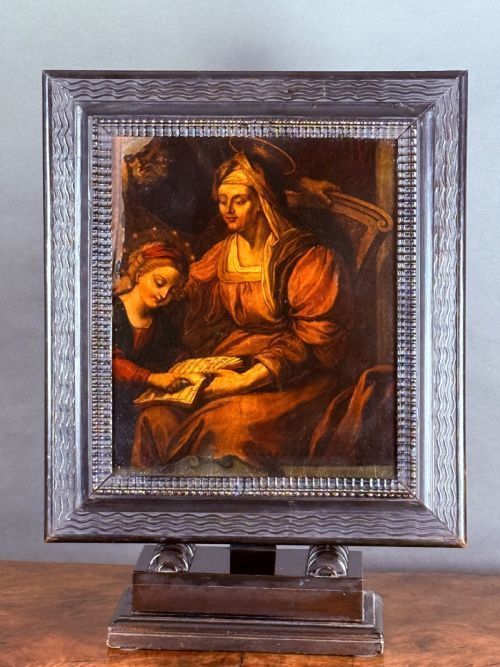
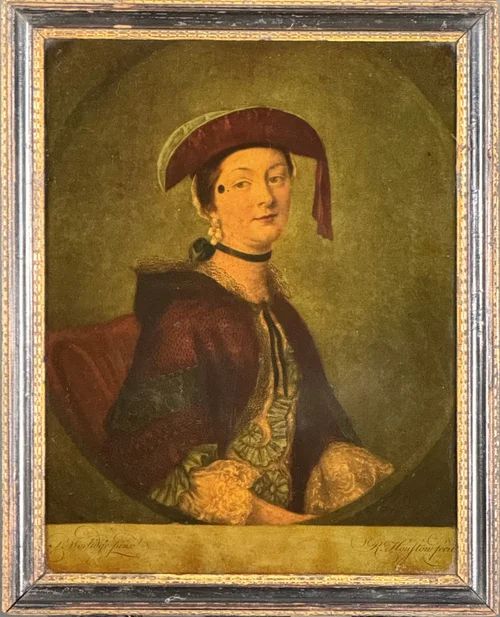
A mezzotint reverse painting offers a striking window into historical portraiture and allegory, prized for its luminous depth behind glass.
Mezzotint Reverse Painting
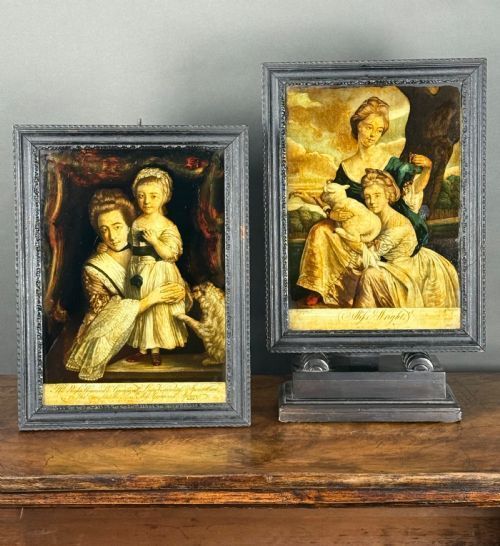
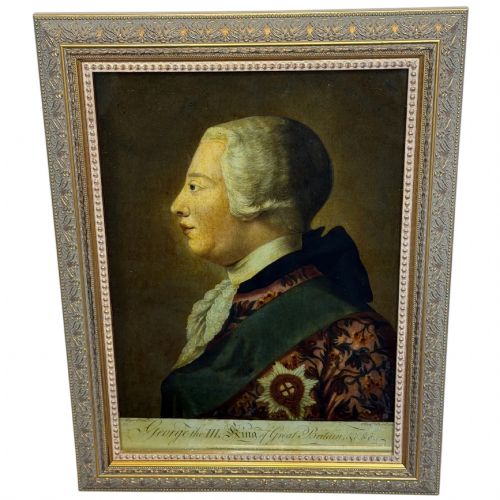
When you search for mezzotint reverse painting, you encounter works produced across the seventeenth, eighteenth, and nineteenth centuries, spanning Georgian and Regency periods. The forms include framed wall art, reverse glass prints, and pictures depicting royal portraits, allegorical figures like the seasons, and domestic scenes.
The pieces on this page are most commonly Georgian and Regency works featuring portraits of notable figures such as King George III, Queen Anne, and various ladies, alongside pairs or sets representing seasonal allegories. Originating from British and European traditions, these works combine printmaking and painting directly onto glass panels.
How they were made
Makers applied oil paint, pigment, and oil pigment onto glass, often incorporating gold leaf for highlights and framing details within wood structures. The foundational image typically began as an engraved mezzotint or printed paper applied to the reverse side of the glass panel.
Artists meticulously hand-coloured the translucent layers from the front-facing perspective, meaning the fine details and tones required inverted application techniques. The completed glass sheets were then secured into wooden frames to protect the delicate pigment layers.
Object types recorded across the inventory include wall art, reverse glass prints, and framed prints depicting historical figures and allegories.
What varies in quality
The sophistication of the hand-colouring and the fidelity of the underlying mezzotint impression determine the visual impact of each piece. Finer examples display subtle gradations of pigment and carefully preserved gold leaf that catch ambient light effectively.
The condition of the glass substrate and the integrity of the original wood framing also distinguish superior specimens. Well-maintained panels retain their pigment without extensive flaking, preserving the clarity of the historical portraits and allegorical subjects.
Fletcher after Sebastiaan Vrancx·Charles Spooner·Richard Purcell·W. Bishop·Richard Phillips
The Mezzotint Reverse Painting Glossary
- Mezzotint
- A printmaking process where the copper plate is roughened to achieve rich dark tones and subtle tonal variations. This technique creates velvety backgrounds well-suited for dramatic portraiture.
- Reverse painting on glass
- An art form where the artist paints on the back of a glass sheet so the image is viewed through the front. This method imparts a distinctive glossy finish and luminous quality.
- Gold leaf
- Hammered gold beaten into extremely thin sheets used for decorative embellishment. It provides reflective accents within the composition.
- Georgian
- The period spanning the reigns of the four British monarchs named George, noted for refined decorative arts. Pieces from this era often exhibit classic portraiture conventions.
- Regency
- The stylistic period in British art and architecture associated with the early nineteenth century. Works from this time frequently demonstrate classical influences and paired arrangements.
Mezzotint Reverse Painting: Frequently Asked Questions
What is a reverse glass print?
A reverse glass print involves applying a printed image and pigments to the back of a glass panel. Viewers observe the finished artwork through the smooth front surface of the glass.
This technique creates a unique depth and sheen that distinguishes these works from standard paper prints.
How should I hang these framed prints?
These works require secure wall fixings suited to the combined weight of the glass and wooden frame. Position them away from direct sunlight to protect the pigments and gold leaf from fading.
Maintaining stable indoor humidity levels also helps preserve the fragile materials behind the glass.
How do I identify a Georgian piece?
Georgian pieces often feature distinct eighteenth-century costume, powdered wigs, and subjects such as King George III or Queen Anne. The framing style and handwriting on any accompanying labels or inscriptions can also indicate this era.
Stylistic conventions of the time lean toward classical portraiture and allegories of the seasons.
Why are some pieces sold in pairs?
Artists frequently created these works as matched sets, particularly for allegorical themes like the four seasons or pairs of related portraits. Displaying them together preserves the intended balance of the composition.
Subjects such as Spring and Winter or male and female counterparts were common pairings in domestic interiors.