

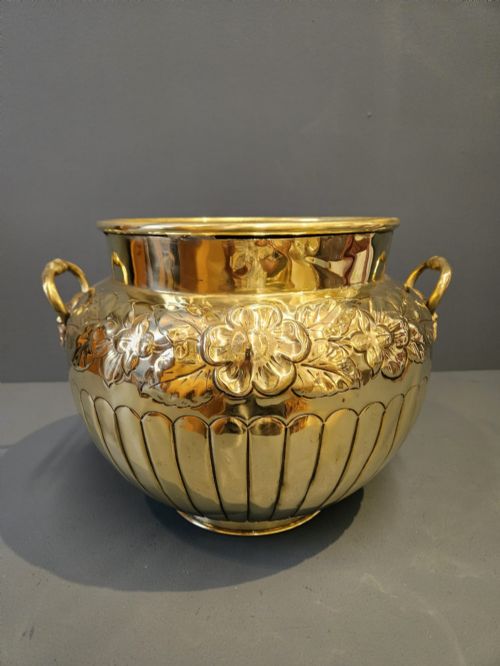



Metal Indoor Planter
A metal indoor planter brings the plant life of the conservatory and drawing room into domestic spaces, uniting utility with decorative character.
Metal Indoor Planter
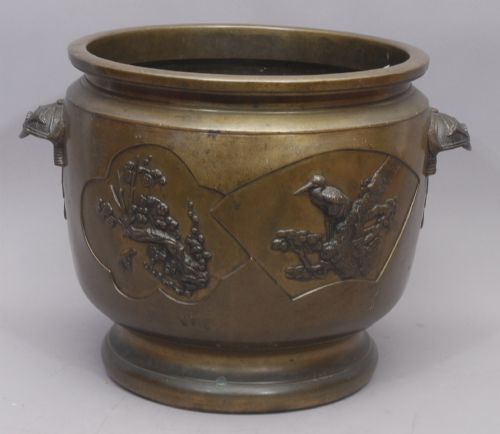
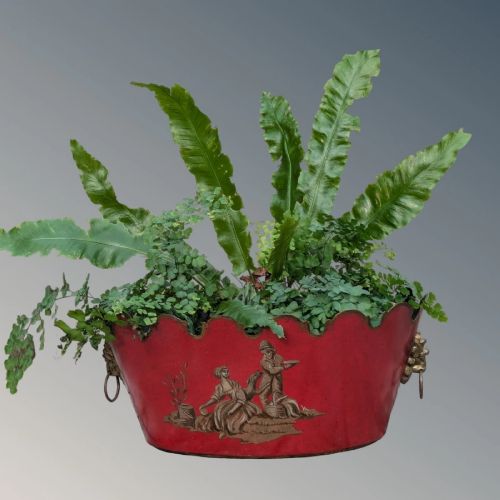
A metal indoor planter appears in various guises across this selection, including jardinieres, cachepots, jardiniere stands, jardiniere tables, and watering cans. These pieces originate from periods spanning the nineteenth and early twentieth centuries, encompassing Victorian, Edwardian, and nineteenth-century examples.
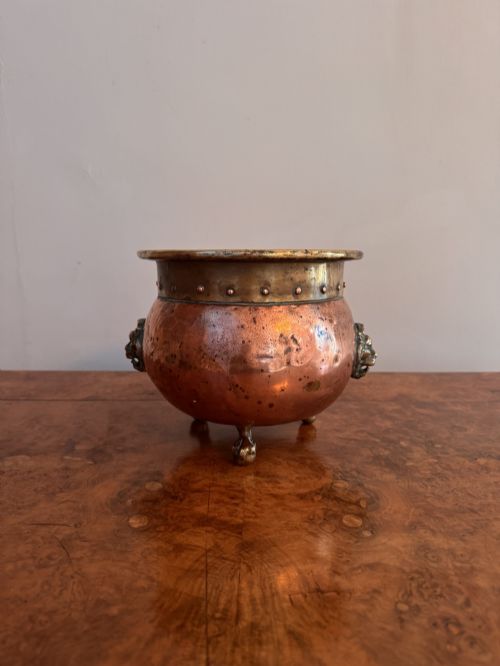
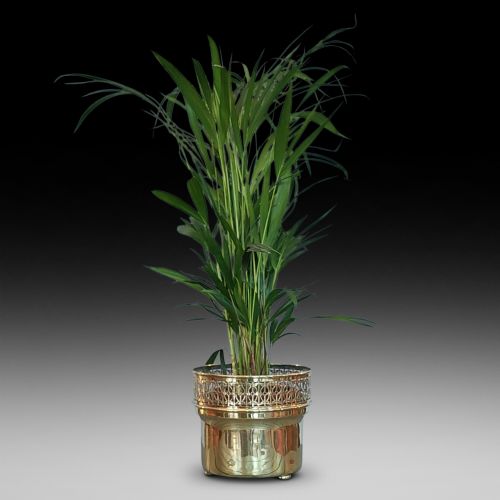
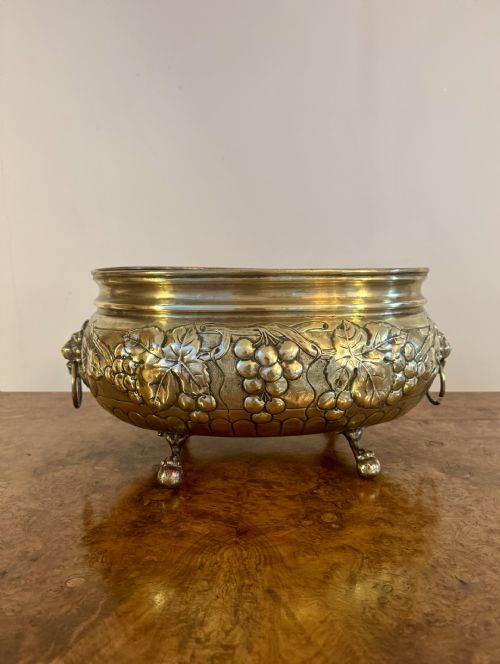
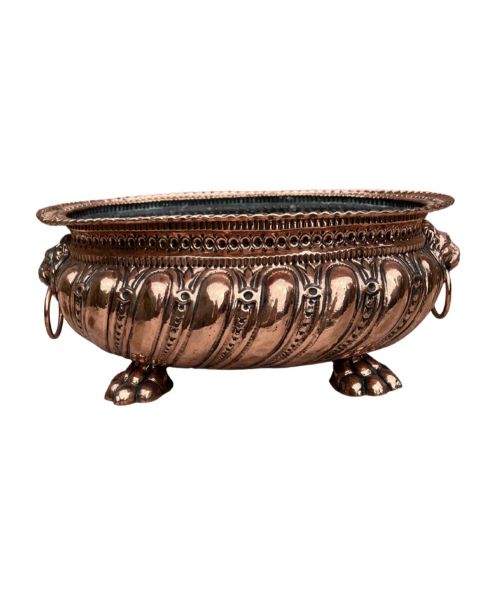
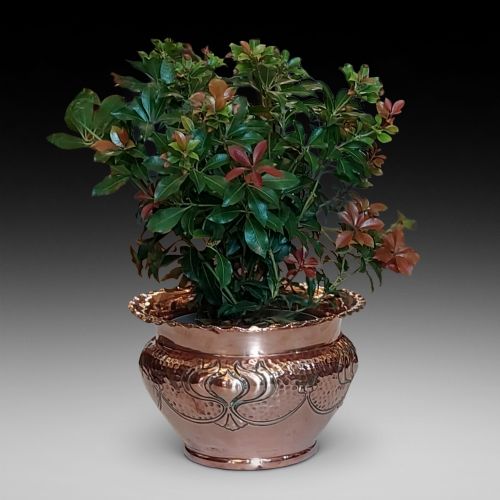
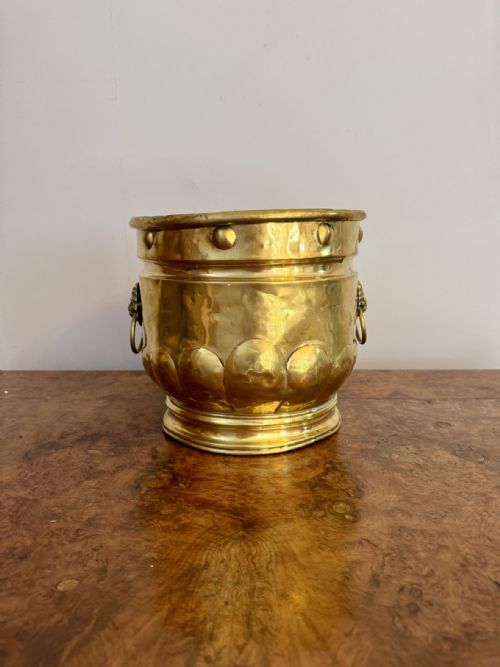
The most common versions met on this page are brass and copper vessels from the Victorian and Edwardian eras. Makers utilised these metals to create durable containers designed to house potted plants within the home.
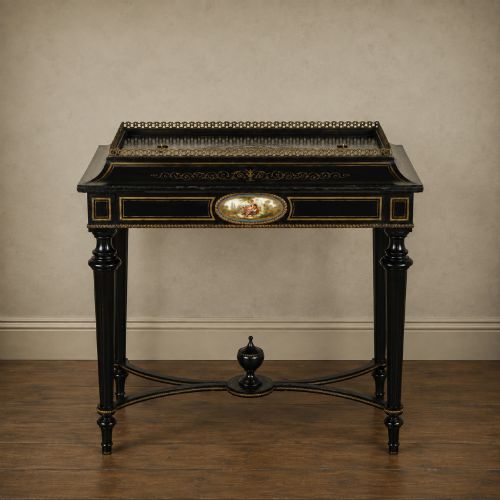
Geographic origins extend from English workshops to French cabinetmakers and Indian artisans. Pieces range from simple cylindrical planters to elaborate stands incorporating wood and porcelain.
Materials and Techniques
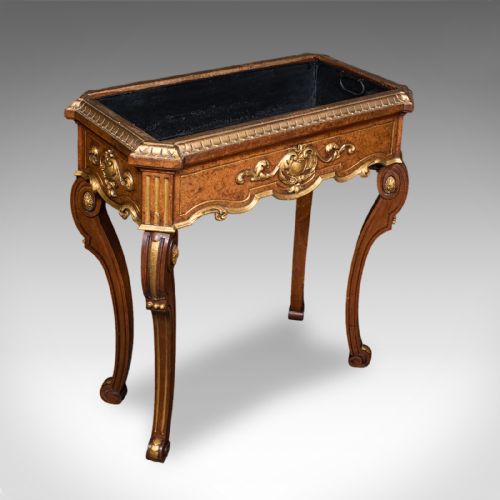
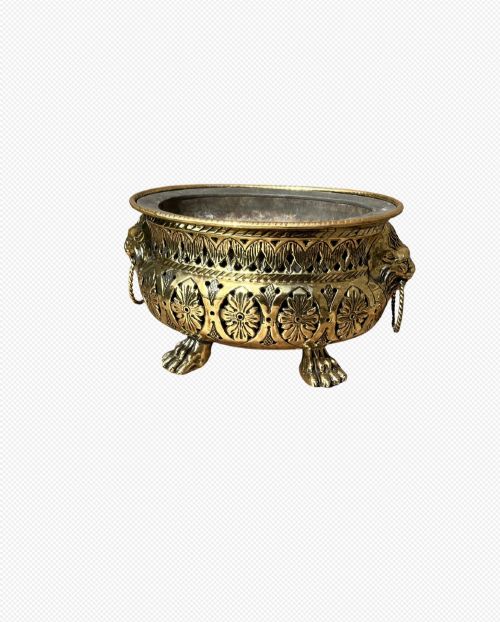
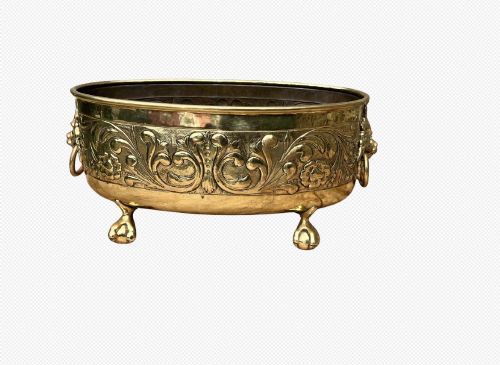
Brass and copper form the primary metal elements, frequently shaped through hammering, piercing, embossing, or hand-engraving. Artisans also combined these metals with woods such as walnut, satinwood, kingwood, and ebonised timber.
Decorative embellishments include ormolu mounts, painted porcelain plaques, wrought iron frames, and cast elements like lion mask handles. Construction methods vary from solid metal vessels to wood stands fitted with metal liners.
Metal Indoor Planter Retail Price Guide 2026
Typical asking prices for metal indoor planter among the pieces listed under this phrase on Sellingantiques today, from the lower quarter to the upper quarter. They describe what is for sale here now, not the wider market.
Design styles represented include Arts and Crafts, Art Nouveau, French Rococo Revival, and Anglo-Indian.
Distinctions in Execution
Quality rests in the depth of hand-finishing, the crispness of chased or embossed decoration, and the integrity of construction. Heavy gauge metals and robust joinery separate substantial vessels from lighter, purely decorative items.
The sophistication of secondary materials, such as figured walnut timbers, finely cast ormolu mounts, or integrated stands, elevates certain examples above standard utilitarian planters.
Orme Evans & Co
The Metal Indoor Planter Glossary
- Jardiniere
- An ornamental pot or stand for holding plants or flowers. These vessels often sit on tables or directly on the floor.
- Cachepot
- A decorative container used to conceal an ordinary flowerpot. It lacks drainage holes, protecting indoor surfaces from water.
- Dinanderie
- An object made of beaten brass or copper, typically associated with decorative vessels and domestic items. The term covers medieval work as well as later revival pieces.
- Ormolu
- Gilt bronze mounted on furniture or decorative objects. It provides bright golden highlights against dark woods or patinated metals.
- Planter stand
- A raised piece of furniture designed to support a plant container. These tables and stands elevate greenery within a room.
Metal Indoor Planter: Frequently Asked Questions
What is a metal indoor planter used for?
These vessels house potted plants or serve as cachepots to hide plain nursery containers indoors. They protect tabletops and floors while adding decorative metalwork to a room.
Historically, they brought greenery into Victorian and Edwardian drawing rooms and conservatories. Today, they perform the same decorative function in modern interiors.
How do I care for antique metal planters?
Keep moisture away from the exterior surface by using an inner liner or saucer inside the metal vessel. Wipe away standing water promptly to protect the antique finish.
Clean the metal gently with a soft cloth and avoid abrasive polishes that remove patination. Wood stands require standard furniture care and protection from direct sunlight.
How do I identify Victorian planters?
Victorian examples often feature heavy brass or copper construction with embossed patterns, pierced rims, or lion mask handles. Stylistic cues include Gothic Revival motifs, heavy proportions, and hand-hammered surfaces.
Later Edwardian pieces tend toward lighter, fluted brass designs or simpler Art Nouveau curves. Mid-nineteenth-century items frequently display more intricate hand-piercing and dense surface engraving.
What is the difference between a jardiniere and a cachepot?
A jardiniere is generally a larger, self-contained vessel meant to display plants or flower arrangements. It may stand on its own feet or rest upon a dedicated table or stand.
A cachepot is specifically a pot designed to hide an underlying flowerpot. Both terms often overlap in antique descriptions depending on the vessel's size and form.