




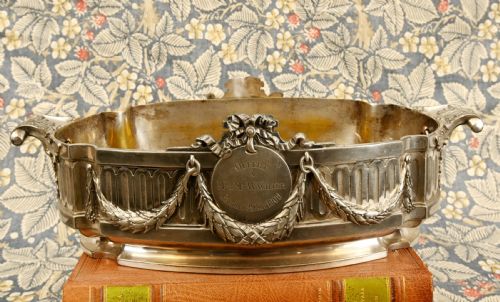


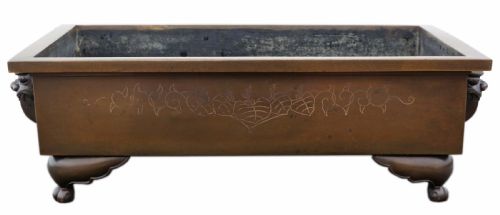

Metal Flower Trough
These metal flower trough items bring structure and greenery to interiors and gardens alike, prized for their durable weight and classic forms.
Metal Flower Trough
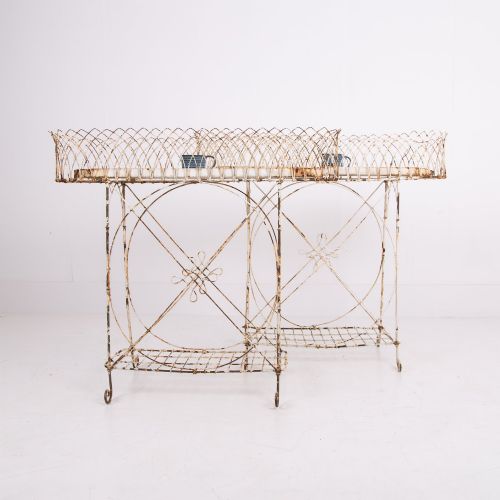
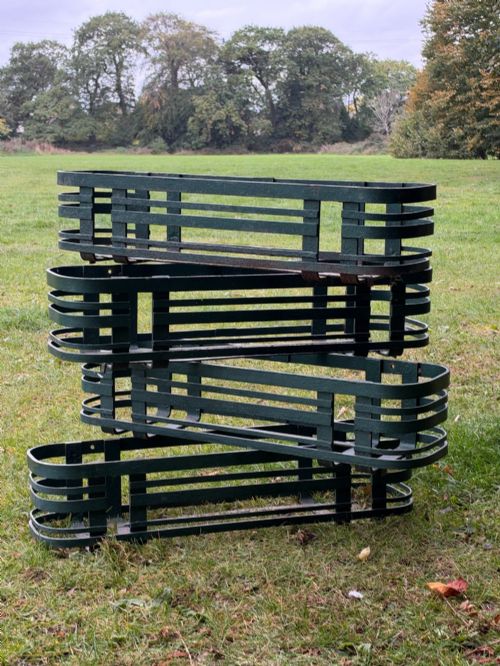
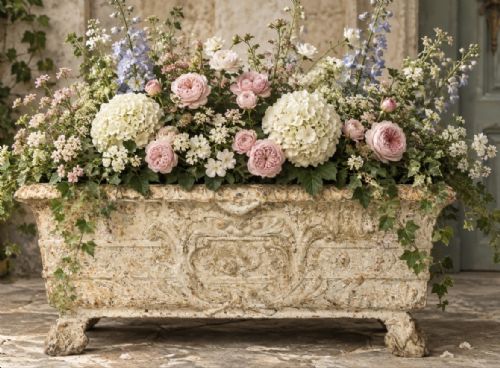
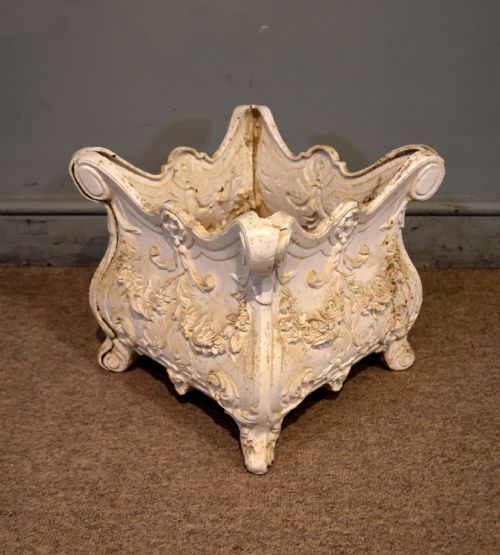
A metal flower trough is a vessel designed to hold plants, typically taking the form of long rectangular boxes or urns suited for window boxes, centrepieces, and garden displays. When you search for this phrase, you find pieces intended to organise botanical displays with architectural presence.
The selections span various centuries, featuring examples from the nineteenth century alongside earlier Georgian and seventeenth-century pieces. Common object types include planters, jardinieres, and plant stands designed for both indoor display and patio use.
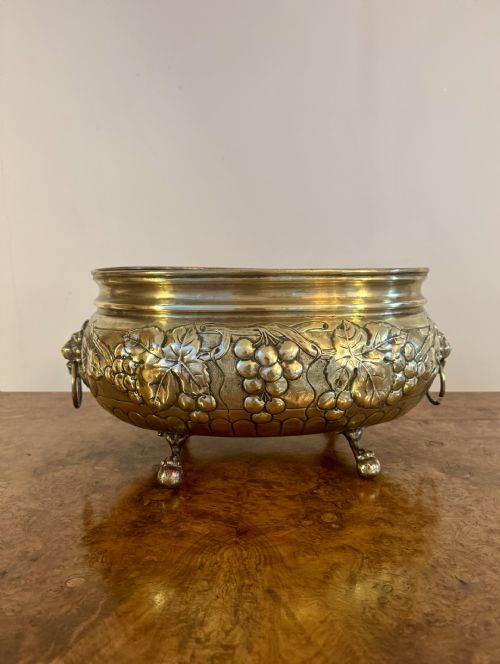
Materials range widely from zinc and lead to cast iron, wrought iron, brass, and bronze. These variations dictate whether a trough sits upon a formal dining table as a centrepiece or lines a garden wall.
How they were made
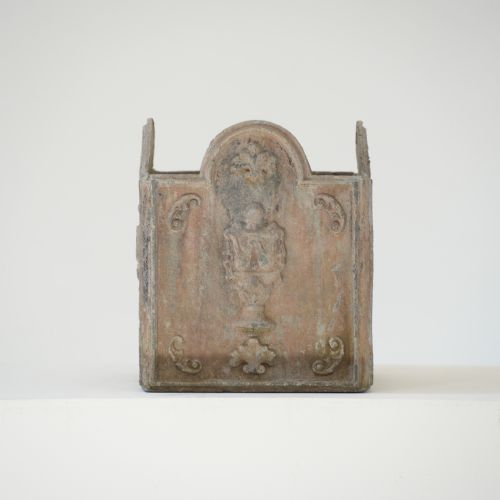
Makers utilised casting and forging techniques to shape metals like cast iron, wrought iron, and bronze into sturdy garden and interior vessels. Heavy metals like lead and zinc provided rust-resistant linings and structural integrity for damp soil.
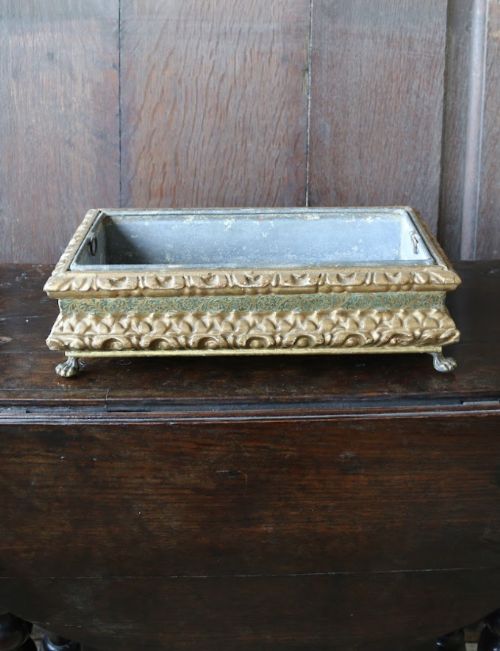
Surface treatments included paint, silver plating, and gilt wood, depending on whether the piece was destined for a grand interior or an outdoor garden setting. Joinery and riveting secured metal plates together, while some items incorporated intricate wirework or carved details.
Metal Flower Trough Retail Price Guide 2026
Typical asking prices for metal flower trough among the pieces listed under this phrase on Sellingantiques today, from the lower quarter to the upper quarter. They describe what is for sale here now, not the wider market.
Current listings feature items in zinc, brass, cast iron, wrought iron, lead, bronze, and silver plate.
What varies in quality
Quality rests in the heaviness of the metal gauge and the crispness of any cast ornamentation, such as claw feet or classical motifs. Thicker metals and secure structural joints indicate a vessel built to withstand the weight of wet earth over decades.
The refinement of the surface finish distinguishes utilitarian garden pieces from formal interior items. Silver-plated centrepieces and finely cast bronze or brass exhibit detailed craftsmanship intended for close inspection indoors.
The Metal Flower Trough Glossary
- Cast Iron
- Iron shaped by pouring molten metal into a mould. This material provides substantial weight and durable structure for garden urns and troughs.
- Wrought Iron
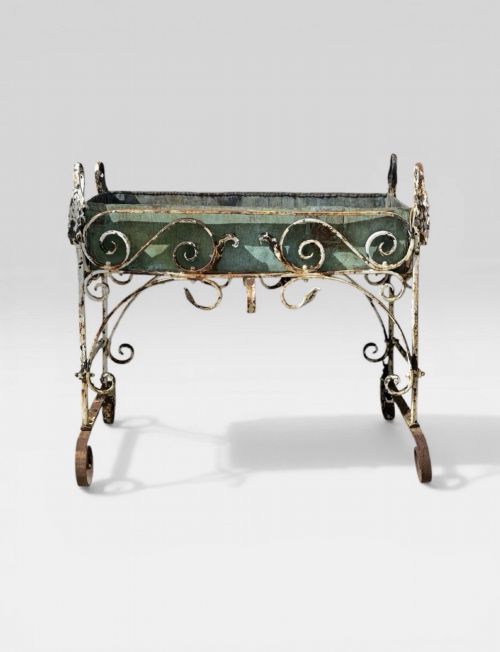
- Iron beaten into shape by hand with tools. This technique yields fibrous, resilient metal often seen in scrollwork window boxes and plant stands.
- Neo-Classical
- A style drawing on the architecture and arts of classical antiquity. It appears on decorative metalwork through symmetry and formal motifs.
- Centrepiece
- An ornamental object placed in the middle of a dining table. Silver plate and polished brass versions are common in this role.
Metal Flower Trough: Frequently Asked Questions
Can I use these outdoors?
Many of these vessels utilise durable metals like cast iron, lead, and zinc, making them suitable for garden patios and window boxes. However, delicate surface treatments such as silver plate or gilt wood require indoor protection.
Weather-resistant materials develop natural patinas over time when exposed to the elements. Checking the specific metal helps determine whether a piece belongs inside or outside.
How do I date an iron planter?
Dating relies on observing manufacturing techniques, such as the uniformity of cast iron or the presence of hand-forged wrought iron. Stylistic clues like Neo-Classical motifs also point toward specific periods.
Comparing the construction methods to known historical examples provides a reliable window of origin. Heavy lead and bronze vessels often carry stylistic markers from their respective centuries.
What is a jardiniere?
A jardiniere is a decorative container designed to hold growing plants or flower arrangements. They frequently appear in brass, bronze, and silver plate for interior use.
These pieces often feature ornate stands or decorative feet. They serve both practical planting roles and decorative display functions.
How do I clean old metal?
Cleaning depends entirely on the specific metal and whether a patinated surface should be preserved. Gentle dusting or wiping with a dry cloth suits most antique metal surfaces.
Harsh chemical polishes can strip historic patinas from brass, bronze, and lead. Maintaining the original finish preserves the character of the piece.