






White Iron Planter
White iron planter selections range from robust Victorian cast iron urns to delicate wirework plant stands.
White Iron Planter
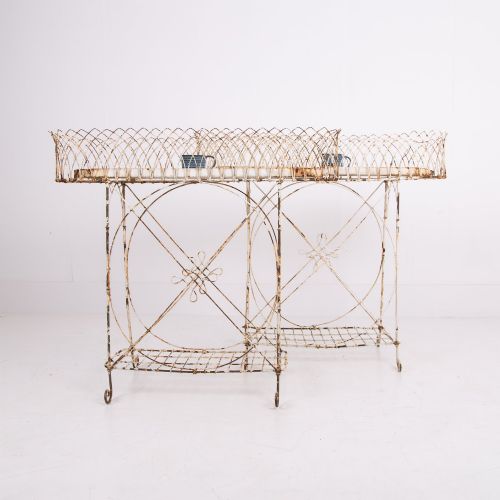
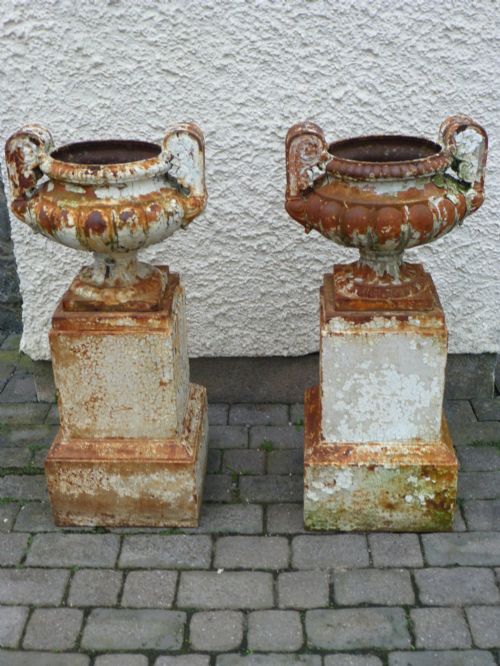
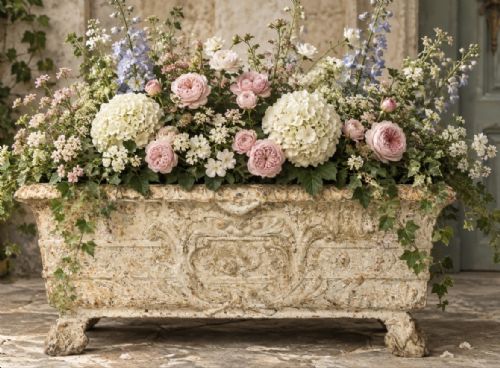
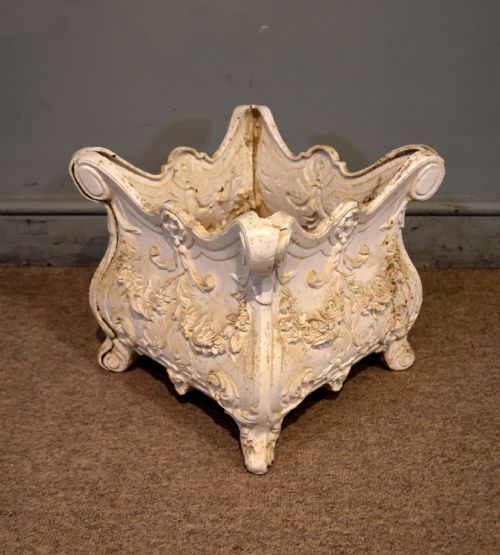
A white iron planter brings sculptural weight and botanical display together in gardens, courtyards, and country houses. When exploring white iron planter options, buyers encounter heavy cast iron campana urns alongside tiered wirework plant stands and French garden jardinieres. The pieces span periods from the Georgian era through the Victorian epoch and into the early twentieth century.
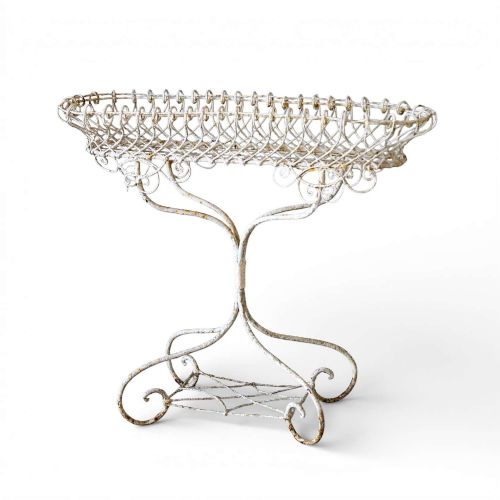
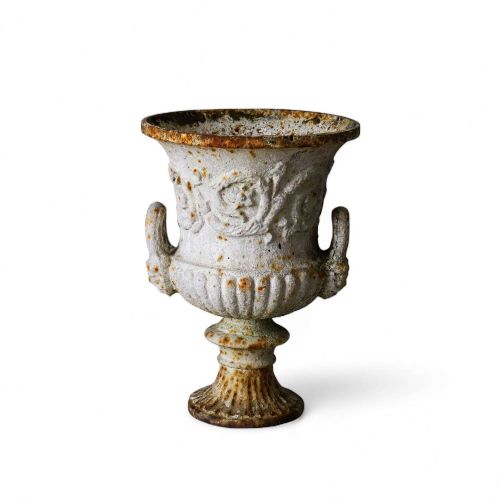
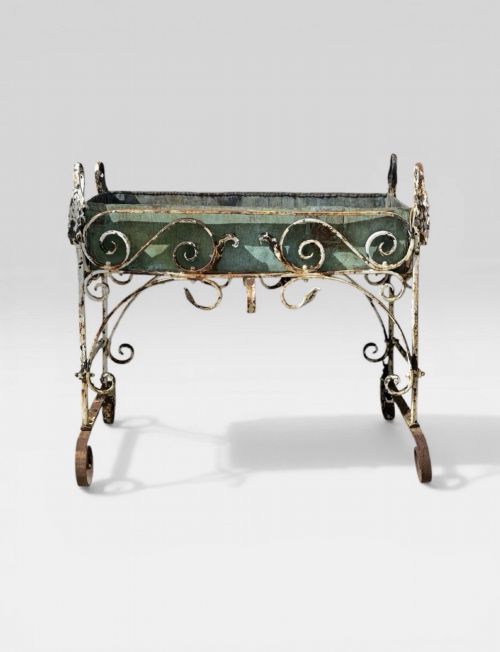
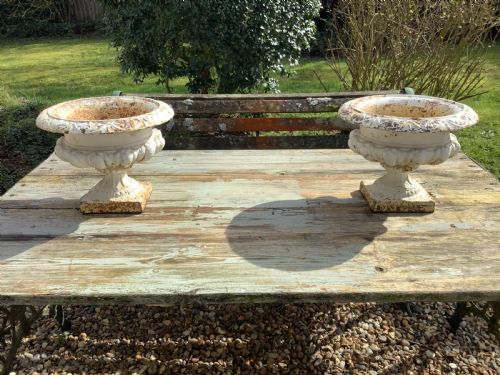
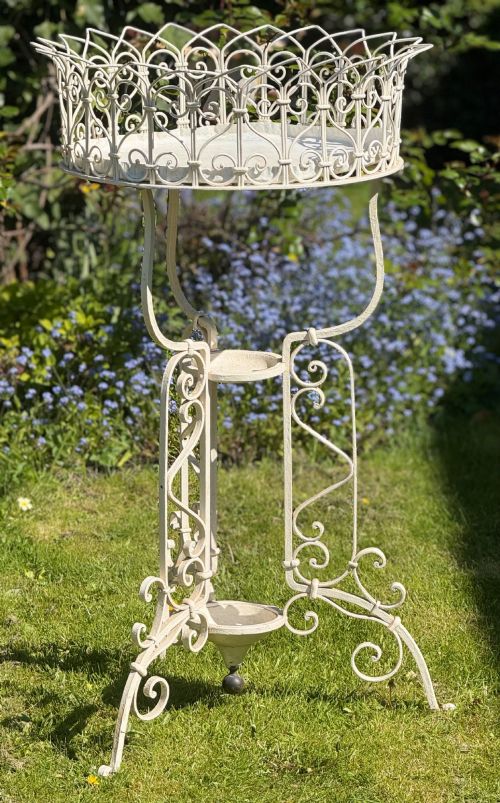
The most common examples on this page are nineteenth century cast iron garden urns and planters featuring classical motifs such as acanthus leaves and gadrooning. These substantial vessels often rest on original pedestals or plinths, while lighter wirework and wrought iron stands offer tiered surfaces for holding potted plants and jardinieres.
Materials and Construction
Makers utilised cast iron, wrought iron, and wire to build these garden pieces, frequently finishing the surfaces with paint or letting them weather naturally. Cast iron components were poured into foundry moulds to create deep relief decoration, while wrought iron and wire were shaped by hand into scrollwork, lattice baskets, and tiered stands.
Zinc and sheet metal appear alongside heavier elements in certain planters and jardinieres. Surviving pieces often show layers of original distressed paint over the metal substrate, recording decades of outdoor exposure.
White Iron Planter Retail Price Guide 2026
Typical asking prices for white iron planter among the pieces listed under this phrase on Sellingantiques today, from the lower quarter to the upper quarter. They describe what is for sale here now, not the wider market.
Among the heavy iron urns and wirework stands, a decorative country house bird cage makes an unexpected appearance.
Judging Quality and Distinction
Quality in these garden pieces rests upon the crispness of the foundry casting and the integrity of the original design. Superior examples display sharply defined ornament, such as deep acanthus leaf moulding or well-proportioned campana profiles, rather than softened details from worn production moulds.
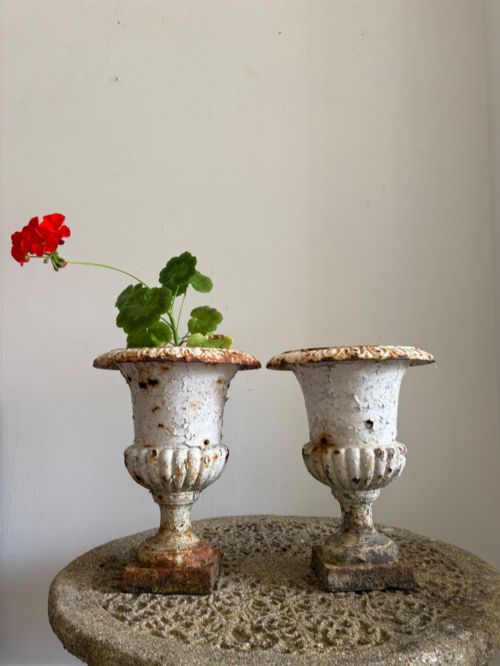
The presence of matching pairs, original plinths, and untouched weathered paint surfaces elevates certain pieces above standard utility items. Structural cohesion in intricate wirework and substantial weight in cast iron vessels indicate superior manufacture.
Falkirk Carron foundry·Andrew Handyside·Coalbrookdale
The White Iron Planter Glossary
- Campana urn
- A bell-shaped garden vessel with an everted rim, popular in classical and Victorian landscape design. These forms sit on pedestal bases and often feature detailed relief work.
- Jardiniere
- An ornamental pot or stand designed specifically to hold plants or flowers. They appear in both heavy cast iron and lighter wirework forms.
- Wirework
- Metal strands shaped and welded into lattice baskets, plant stands, and tiered display frames. This technique provides a lighter visual profile for conservatory and garden use.
- Gadrooned
- Decorated with a series of convex curves or fluting moulded into the body of an urn. This classical embellishment adds texture and depth to cast iron surfaces.
- Tazza
- A shallow bowl-shaped vessel mounted on a stem and foot. In garden metalwork, these take the form of wide ornamental urns on pedestals.
White Iron Planter: Frequently Asked Questions
How do I care for an antique iron planter?
Keep the metal clean and stable by brushing away debris and moisture.
Allow weathered paint finishes to age naturally without harsh chemical stripping.
Were these planters designed for indoor or outdoor use?
Cast iron urns and heavy jardinieres were built for permanent outdoor garden and terrace placement.
Wirework stands and plant tables typically served in conservatories, orangeries, and sheltered patios.
How can I tell a Victorian cast iron urn from a later piece?
Nineteenth-century pieces show deep casting resolution and heavy material density associated with period foundries.
Inspect the paint layers and surface oxidation for signs of genuine age.
What is the difference between an urn and a jardiniere?
Urns typically feature a footed campana or tazza shape with a distinct vertical profile.
Jardinieres provide broader or tiered receptacles intended specifically for holding multiple potted plants.