


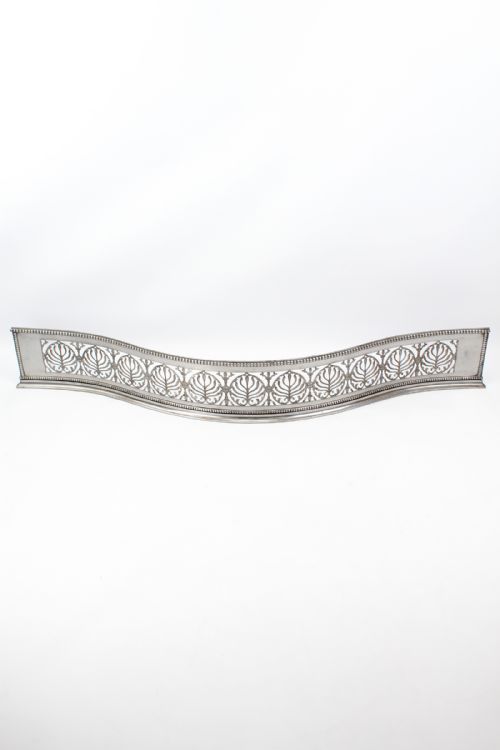


Metal Fire Surround Curb
A metal fire surround curb anchors the hearth, protecting the room from stray embers while defining the fireplace with brass, steel, or copper.
Metal Fire Surround Curb
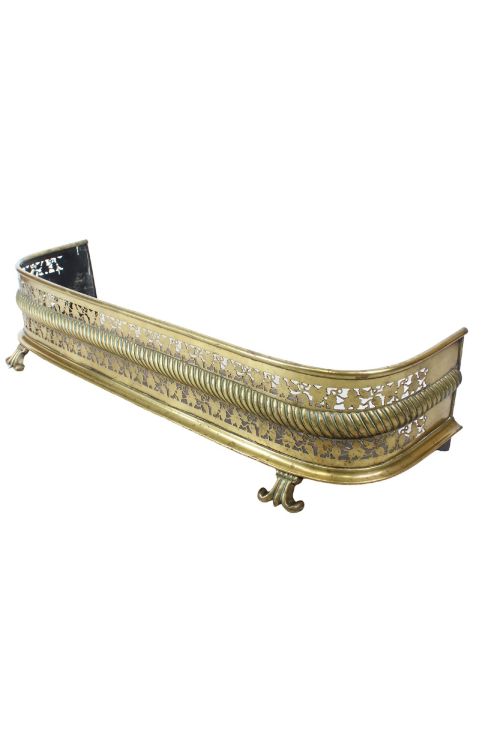
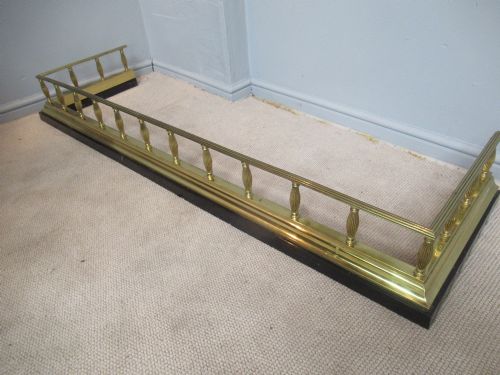
A metal fire surround curb, also known as a fender or kerb, sits on the hearth directly in front of an open fire. These protective barriers keep burning coals and sparks contained within the fireplace opening while providing a finished boundary to the hearth floor. You will frequently encounter Victorian and Georgian examples on this page, alongside Edwardian designs.
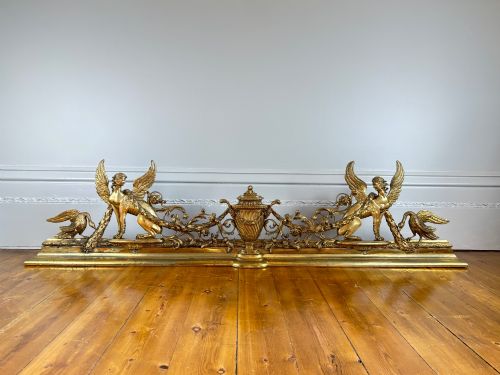
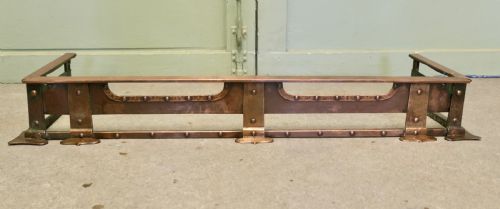
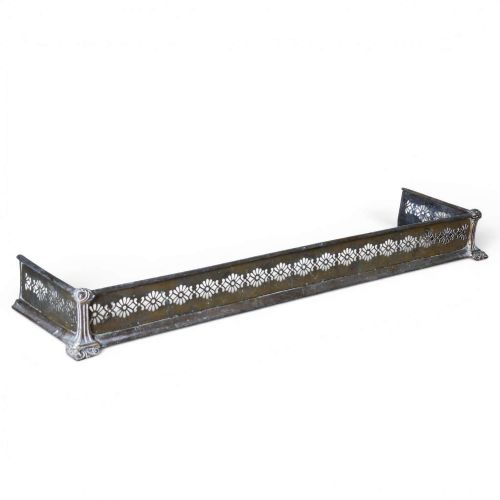
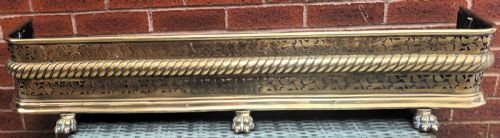
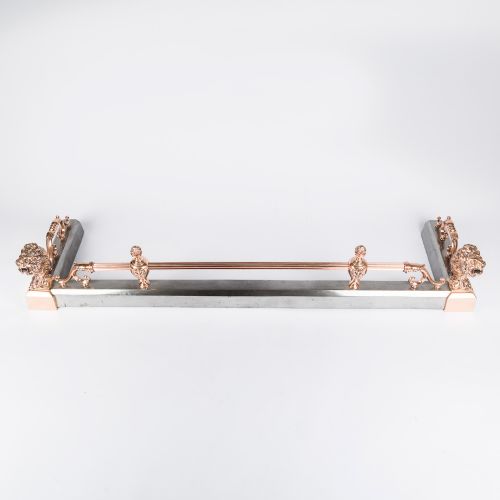
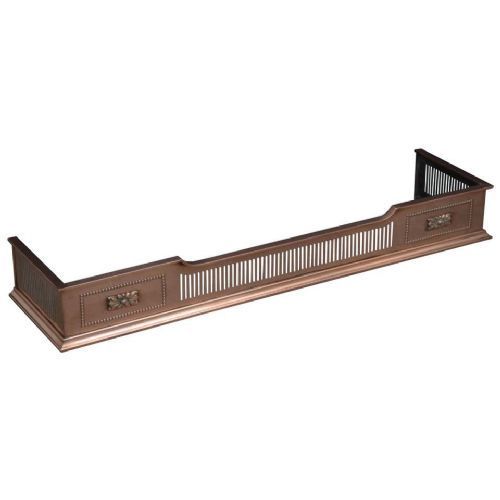
The forms range from simple extending brass rails to substantial serpentine steel frames and elaborate Arts and Crafts beaten copper designs. Many feature pierced metalwork, paw feet, or decorative motifs such as flower pateras, lions, and dragons. They serve both a practical containment function and an ornamental role within the reception room.
What varies in quality
The standard of a metal fire surround curb is determined by the heaviness of the gauge metal used and the crispness of the detailing. Substantial gauge steel and thick brass or copper resist warping from hearth heat and maintain their structural integrity over decades of use.
Refinement in decorative execution separates standard production items from finer workshop pieces. Hand-engraved steel serpentine profiles, finely chased ormolu mounts, and carefully joined riveted copper demonstrate superior craftsmanship and material selection.
One remarkably spirited nineteenth-century steel curb includes detailed dragon ornamentation alongside traditional floral motifs.
E F Caldwell New York·George Bullock
The Metal Fire Surround Curb Glossary
- Fender
- A low metal guard placed around the hearth to contain coals and protect the floor covering. It forms the primary barrier between the open fire and the room.
- Kerb
- An alternative spelling often used interchangeably with fender, referring specifically to the border structure of the hearth. It frames the perimeter of the fireplace base.
- Serpentine
- A gently curved shape featuring a convex centre flanked by concave ends, commonly seen in Georgian steel hearth curbs. This profile required skilled metal shaping.
- Patera
- A circular ornamental disc carved or stamped in relief, frequently incorporating floral or classical motifs. Flower patera often decorate the corners of Victorian copper fenders.
- Pierced
- Metalwork perforated with decorative patterns using saws or punches, allowing light to pass through. Pierced brass galleries are characteristic of Victorian fire curbs.
Metal Fire Surround Curb: Frequently Asked Questions
What is a fire surround curb?
A fire surround curb is a heavy metal guard placed on the floor directly in front of a fireplace. It creates a physical boundary that keeps hot embers and rolling logs safely contained on the hearth.
These pieces also provide a clean architectural finish where the fireplace meets the room's flooring. They range from simple functional rails to highly decorative period furnishings made of brass, steel, and copper.
How do I measure for a fender?
Measure the width and depth of your hearth area to ensure the curb fits comfortably around the fireplace opening. Allow adequate clearance for the fire tools and ensure the inner dimensions match the footprint of your hearth.
Consider the projection of the curb into the room so it does not obstruct walking routes or furniture placement. Adjustable extending models offer flexibility if exact hearth dimensions vary.
How do I clean polished steel?
Clean polished steel surfaces with a dry or lightly oiled soft cloth to remove dust and prevent oxidation. Avoid harsh abrasive cleaners that can scratch the polished finish and strip protective patination.
Regular maintenance preserves the reflective quality of the steel. Keep the metal dry to avoid rust forming on iron and steel components near the hearth.
Can I use an antique fender with a modern fire?
Yes, antique metal fire curbs function effectively with modern gas, electric, or open solid fuel fires. They serve the same protective and decorative purposes regardless of the heat source inside the grate.
Ensure the dimensions of the curb suit your hearth layout and provide adequate safety distance from the heat source. Heavier iron and steel models handle higher thermal environments securely.