


Metal Dog Sculpture
A metal dog sculpture brings character and substance to a room, offering enduring appeal through solid weight and carefully rendered canine forms.
Metal Dog Sculpture
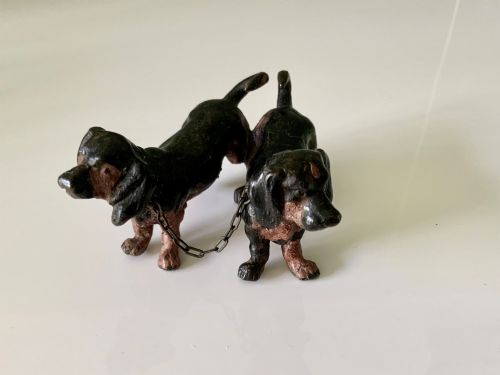
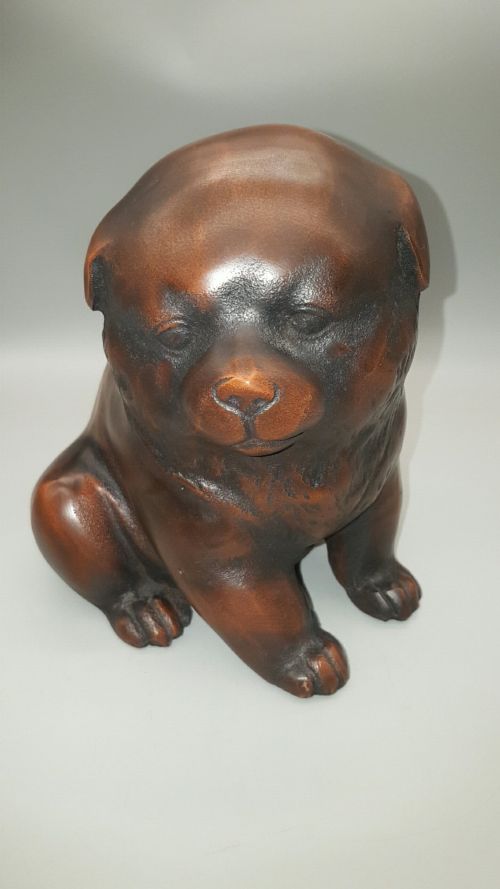
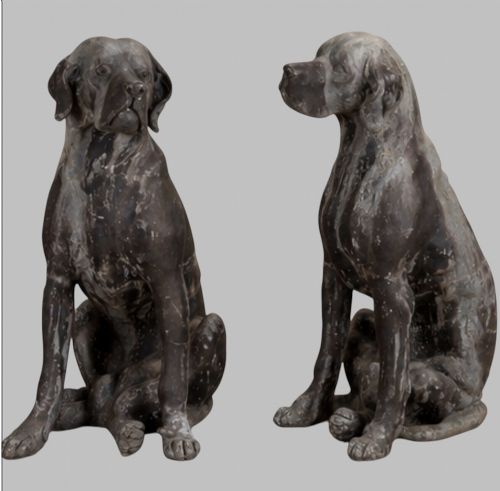
A metal dog sculpture spans domestic figures, inkwells, bookends, and larger garden statues across the nineteenth and twentieth centuries. These pieces capture specific breeds like poodles, bulldogs, dachshunds, and greyhounds in everyday poses.
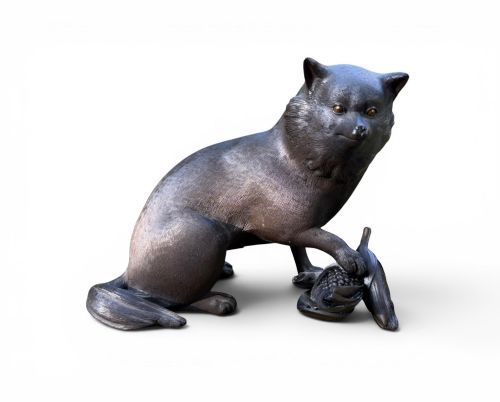
The selections here range from Austrian cold-painted table bronzes and French animalier studies to Japanese bronze okimono and heavy cast iron hearth pieces. Many originate from European workshops and Asian foundries working in bronze, spelter, and iron.
Smaller tabletop models and car mascots appear alongside substantial fire fenders and temple lions. Buyers encounter both signed artist casts and unmarked foundry editions designed for utility or display.
Materials and casting methods
Foundries utilised traditional casting techniques, primarily lost-wax bronze casting or sand casting for iron and spelter. These methods allowed makers to capture fine textures in fur, muscle, and collar details before finishing the surface.
Surface treatments define much of the visual work, including cold painting over bronze, chemical patination, gilding, and painted spelter. Marble bases and plinths frequently support heavier metal figures for stability and display.
Listings feature materials spanning bronze, cast iron, spelter, brass, and marble across periods from the early nineteenth century through the mid-twentieth century.
Assessing quality and execution
Execution rests upon the crispness of the chasing and the fidelity of the cast to the original model. Finer pieces retain sharp anatomical definition in the paws, muzzle, and coat without softening from worn moulds.
Surface finish and original pigment preservation separate superior examples from routine foundry output. Intricate cold-painted details or rich, stable patination indicate careful studio work and higher-grade materials.
Tsunemitsu·Shosai·Unno Shomin·P de Soete·J Moigniez·H Bal·Louis Lejeune·Franze Bergman·A L Barye·Barbedienne·Henri Jaquesmart
The Metal Dog Sculpture Glossary
- Animalier
- A nineteenth-century artistic movement dedicated to the realistic portrayal of animals. Sculptors in this tradition focused on accurate anatomy and natural movement.
- Cold painted
- A technique where paint is applied to cold metal, most commonly associated with Austrian bronze production. The paint sits on the surface rather than being fired in a kiln.
- Spelter
- An alloy of zinc and lead or copper used as an economical alternative to bronze. It offers similar weight and appearance when finished with paint or patination.
- Okimono
- Japanese decorative figurines designed for display on a shelf or tokonoma. These pieces demonstrate exceptional metalwork skill from the Meiji and Showa periods.
- Patina
- The surface coloration and sheen acquired by metal through age or chemical treatment. A stable patina enhances the contours of the sculpture.
Metal Dog Sculpture: Frequently Asked Questions
How do I clean bronze sculptures?
Dust gently with a soft, dry cloth to remove surface particles without disturbing the underlying patina. Avoid using water, soap, or abrasive metal polishes which strip historical finishes.
Apply a very thin coat of microcrystalline wax if the metal requires protection against atmospheric moisture. Buff lightly with a clean cloth after application to maintain a soft sheen.
What is cold painted bronze?
Cold painted bronze refers to metal figures decorated with oil or enamel paints applied without high-temperature firing. This method was widely used in Vienna during the late nineteenth and early twentieth centuries to create vibrant animal figures.
Because the paint is unfired, these surfaces remain vulnerable to moisture and harsh cleaning agents. Preservation relies on keeping the pieces in stable, dry indoor environments.
How do I distinguish bronze from spelter?
Bronze is heavier, richer in tone, and yields a resonant sound when lightly tapped compared to spelter. Spelter is a softer zinc alloy that often shows a greyish metal beneath chips in the painted surface.
Magnification reveals the sharper chisel work typical of bronze casting. Spelter sculptures tend to display slightly softer details due to the nature of the alloy.
Where were these dog sculptures placed?
Smaller figures and inkwells served functional roles on nineteenth-century desks, mantelpieces, and reading tables. Larger cast iron hounds and temple lions stood as guardians beside hearths or at architectural entryways.
Automotive mascots mounted directly onto radiator caps of classic cars during the early motoring era. Bookends and night lights combined domestic utility with decorative display in period interiors.