
Metal Decorative Vase
A metal decorative vase brings weight and structural form to a room, drawing the eye through patinated surfaces and classical or oriental silhouettes.
Metal Decorative Vase
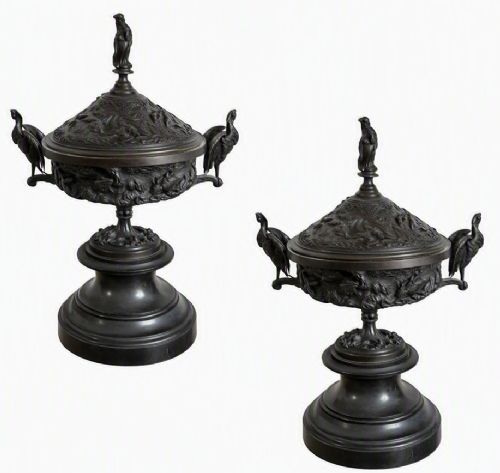
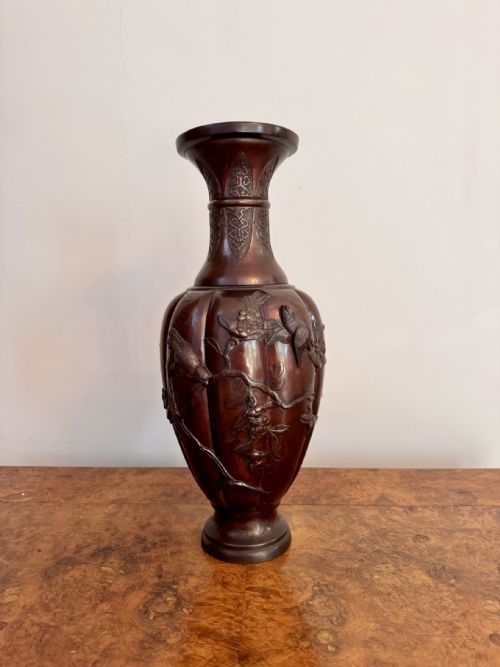
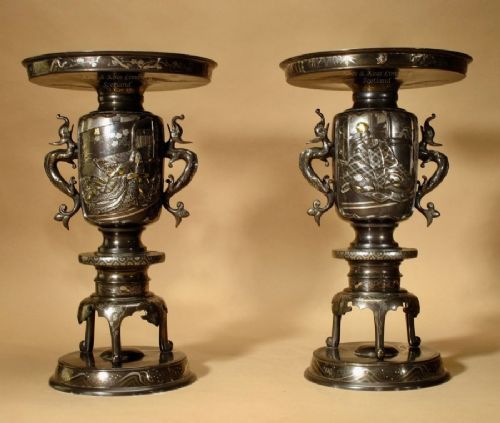
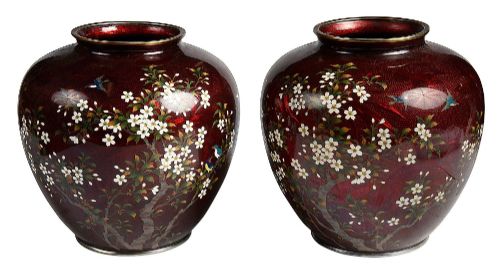
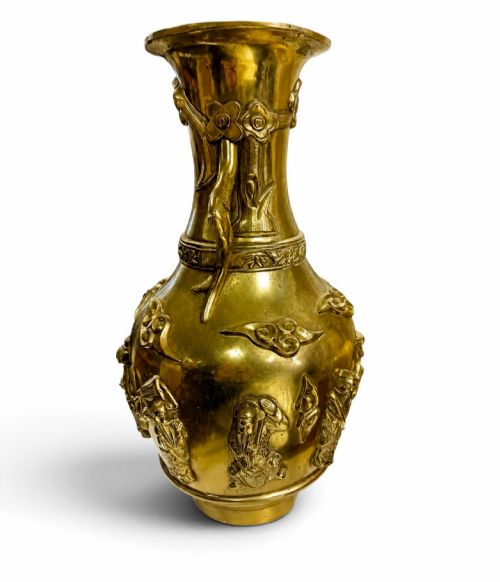
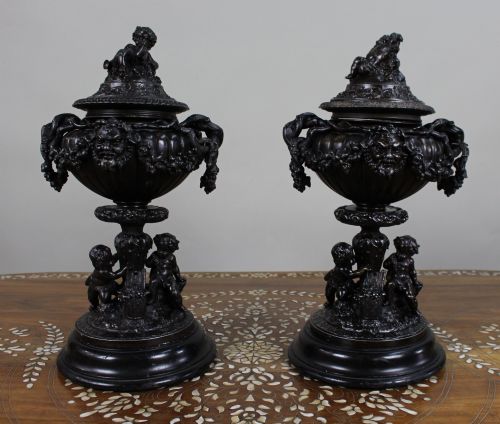
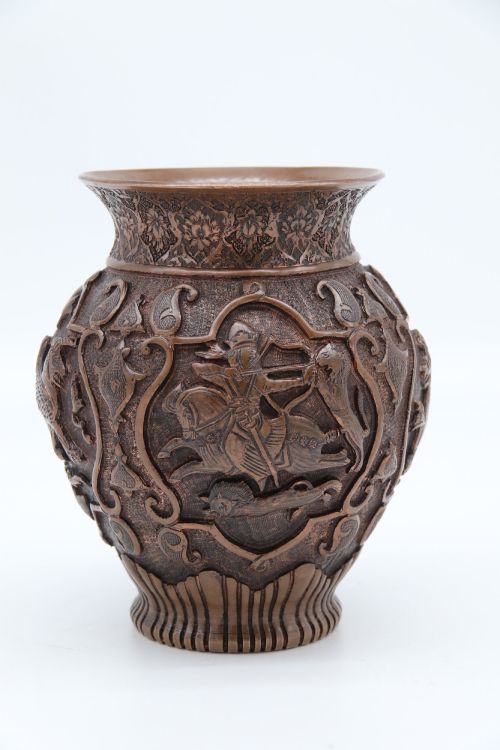
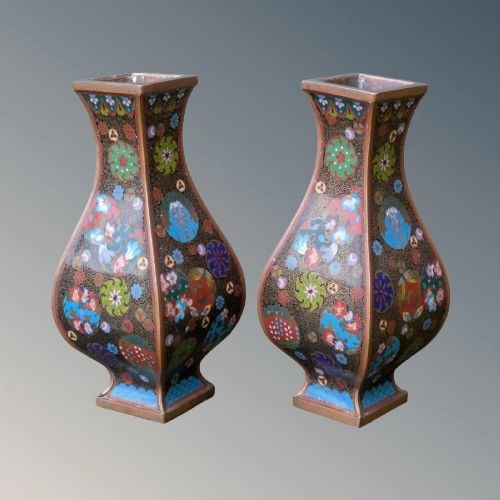
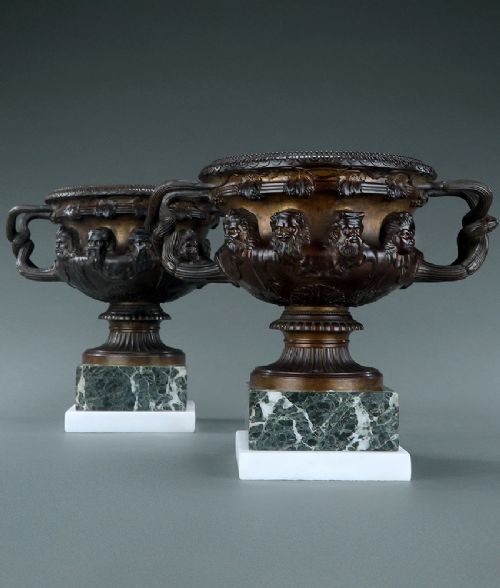
A metal decorative vase encompasses a wide variety of vessels designed primarily for display rather than functional flower arrangement, drawing heavily from nineteenth-century European and Asian traditions. Buyers searching for a metal decorative vase frequently encounter nineteenth-century French bronzes, Grand Tour souvenirs, and Meiji period Japanese bronzes or cloisonné vessels.
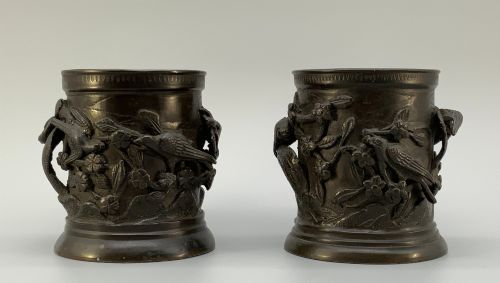
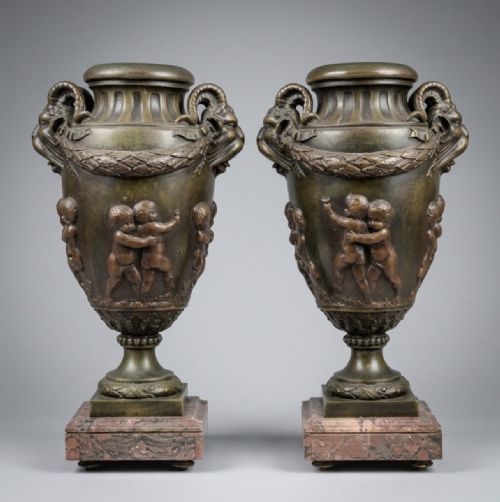
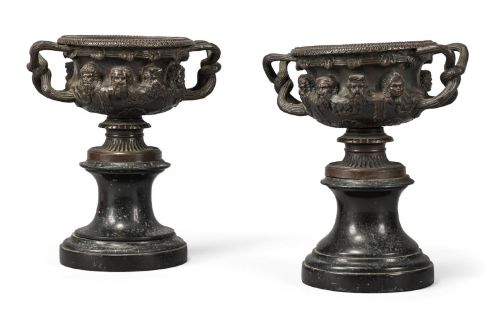
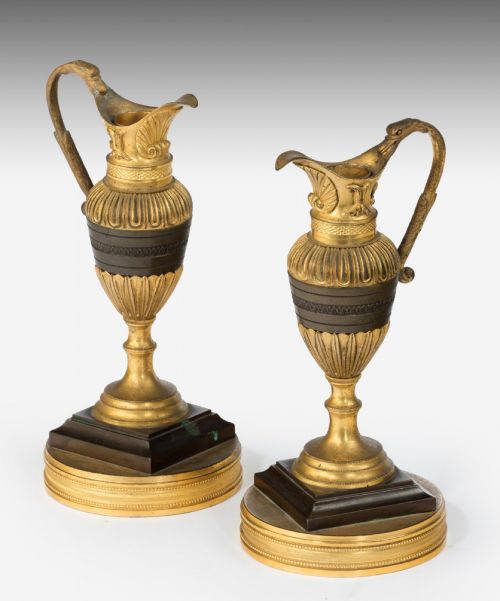
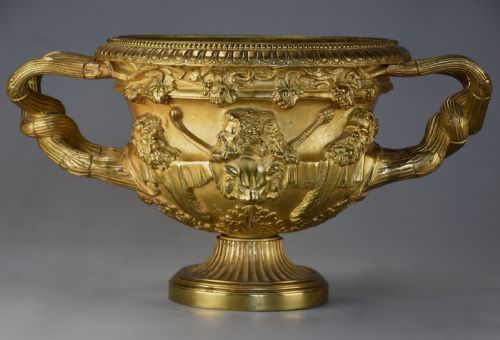
The forms range from classical campana urns and two-handled ewers to baluster vases and cylindrical vessels resting on marble bases. Many examples survive in matched pairs, reflecting the Victorian taste for symmetrical interior decoration on mantelpieces and pedestals.
How they were made
Casting forms in bronze, brass, copper, and spelter formed the primary structural method, often utilising lost-wax techniques or sand casting for intricate relief work. Artisans then applied patination, gilding, or ormolu mounts to enrich the metallic surfaces.
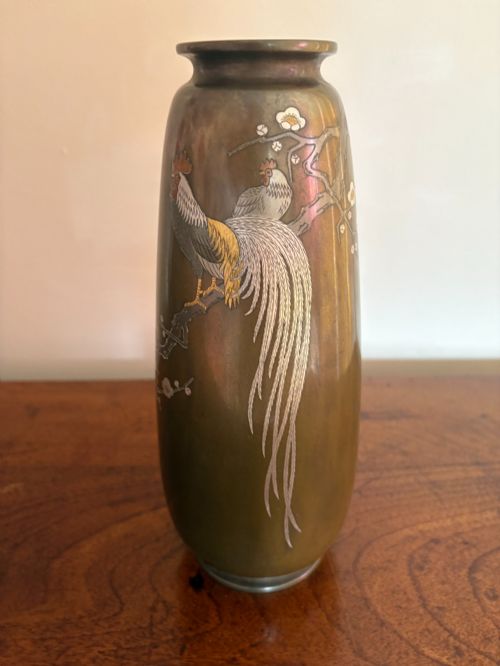
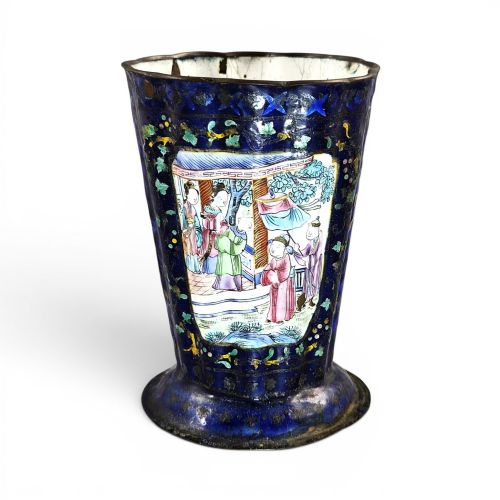
Surface ornamentation involved chasing, repoussé hammering, and metal inlay, alongside intricate cloisonné and champlevé enamel work where coloured pastes filled wire partitions before firing.
Materials span patinated bronze, cloisonne enamel on copper, cast spelter, and repousse brass.
What varies in quality
The crispness of the casting and the depth of the chased detail dictate the visual success of the piece, separating mass-produced items from studio-wrought examples. Sharp relief work on figures, foliage, and dragons indicates skilled hand-finishing rather than a soft, blurred mould.
The integrity of the patination and the quality of secondary materials, such as veined marble plinths or genuine ormolu fire gilding, separate standard decorative items from superior collector pieces.
Jules Moigniez·Kanasawa·Nogawa Company·Seiya·Ando Jubei
The Metal Decorative Vase Glossary
- Ormolu
- Gilded bronze, where finely ground gold is amalgamated with mercury and applied to a bronze base through heat. This technique creates a durable, warm metallic golden finish seen on French decorative pieces.
- Spelter
- A zinc alloy used as a cheaper, lighter substitute for bronze during the nineteenth century. It is often given a bronze-colored patination to mimic heavier metal.
- Cloisonné
- An enamelwork technique where thin metal wires form compartments on a metal body to hold coloured glass pastes. These pieces are fired and polished to create flat, patterned surfaces.
- Chasing
- The manual method of refining and texturing a metal surface after casting using small punches and hammers. This process sharpens details on leaves, drapery, and figures.
Metal Decorative Vase: Frequently Asked Questions
What are metal decorative vases made from?
These vessels utilise a range of metal alloys, primarily bronze, brass, copper, and zinc-based spelter. Makers frequently enhanced these base metals with ormolu gilding, enamel, or silver wire inlays.
Surface treatments such as chemical patination were also applied to alter the colour and give the metal an aged, antique appearance.
How do I distinguish bronze from spelter?
Bronze is heavier, colder to the touch, and rings with a distinct tone when tapped, whereas spelter is softer and more brittle. Spelter often shows greyish metal beneath chips in the dark patination coat.
Looking at the underside or interior can reveal the lighter colour and different crystalline structure of zinc alloys compared to copper-based bronze.
What is Grand Tour art?
Grand Tour pieces are European souvenirs, particularly from Italy, collected by wealthy travellers during the eighteenth and nineteenth centuries. These items included reduced bronze copies of famous classical monuments and ancient vases like the Warwick vase.
Craftsmen in Rome and Paris produced these high-quality decorative metal reductions for tourists seeking tangible links to antiquity.