
Mens Automatic Timepiece
When you look for a mens automatic timepiece, you enter a field of mid-century wristwatches powered by natural wrist motion.
Mens Automatic Timepiece
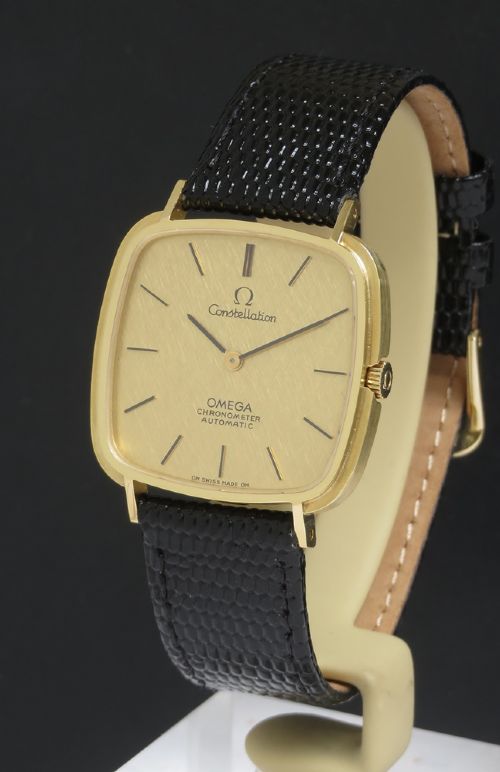
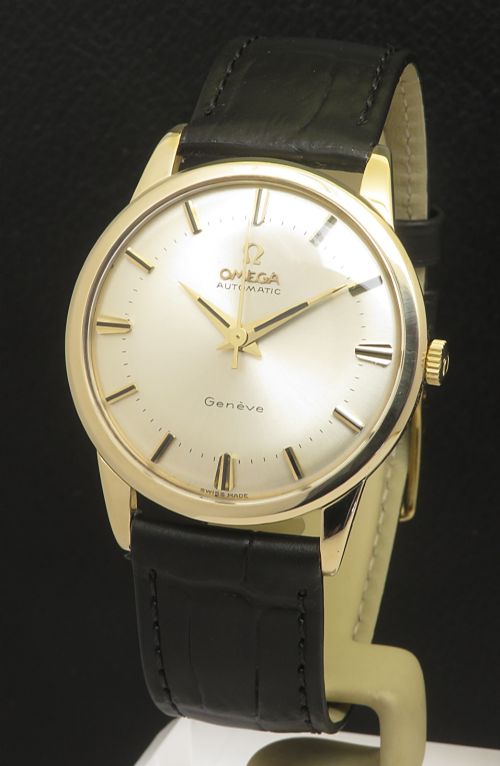
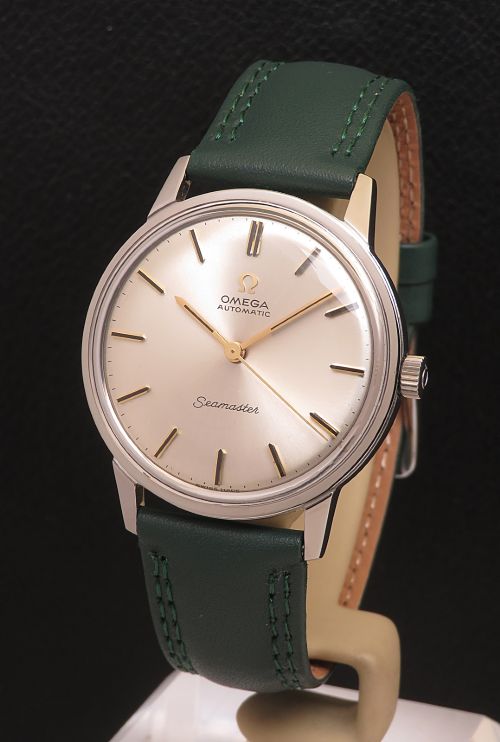
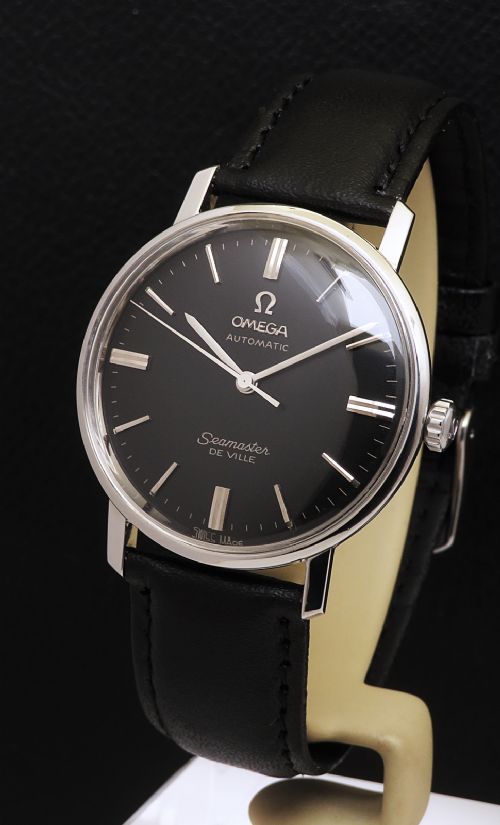
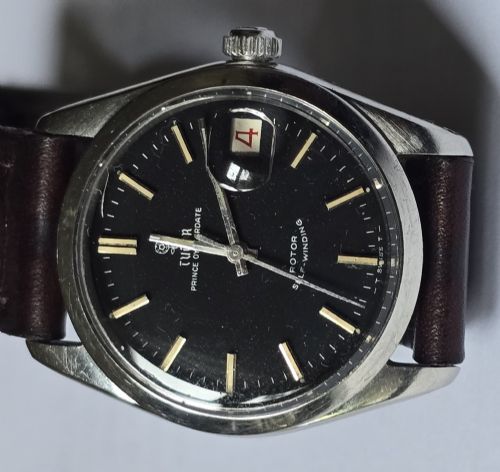
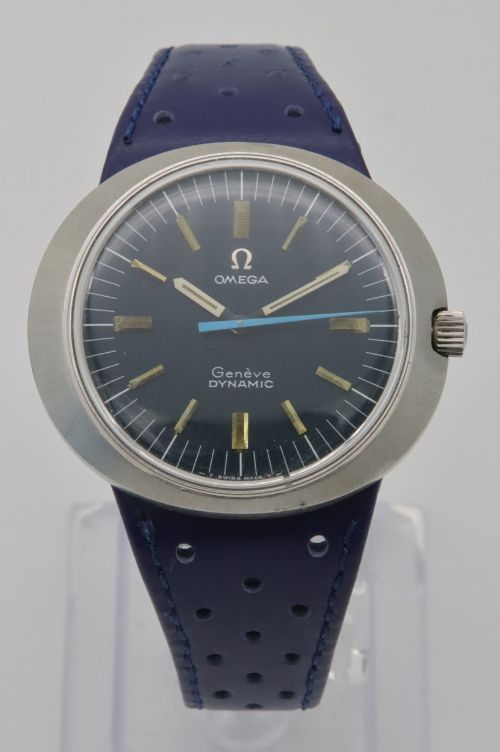
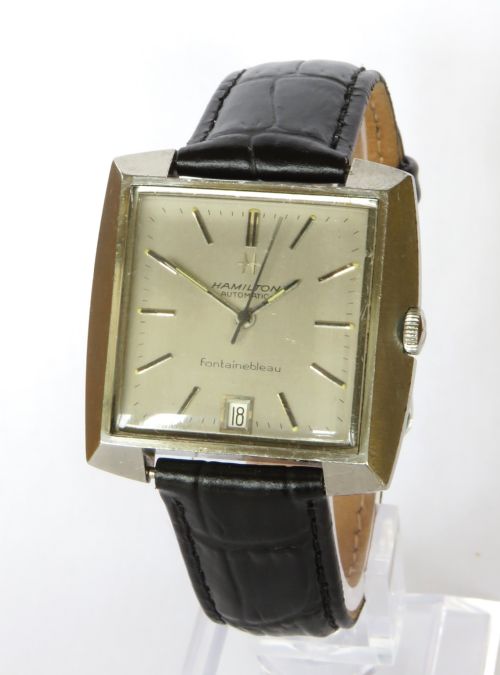
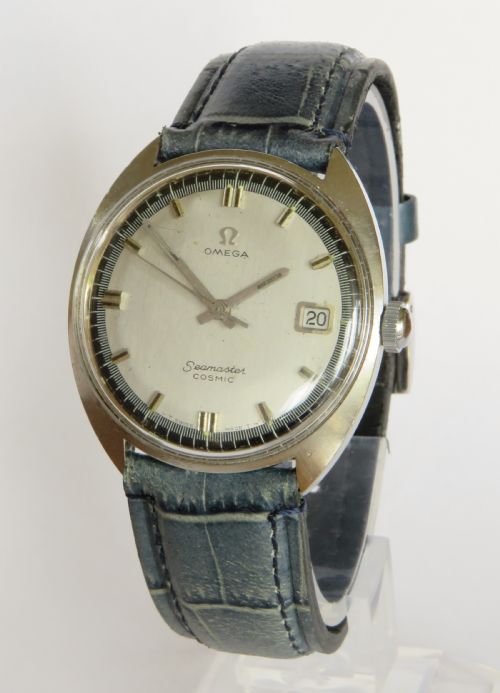
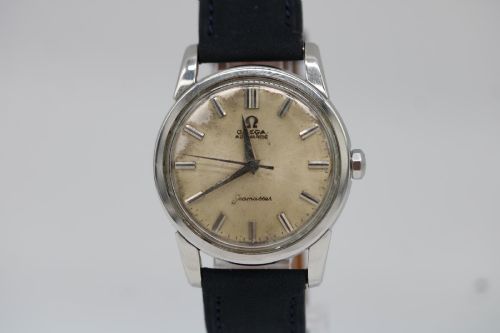
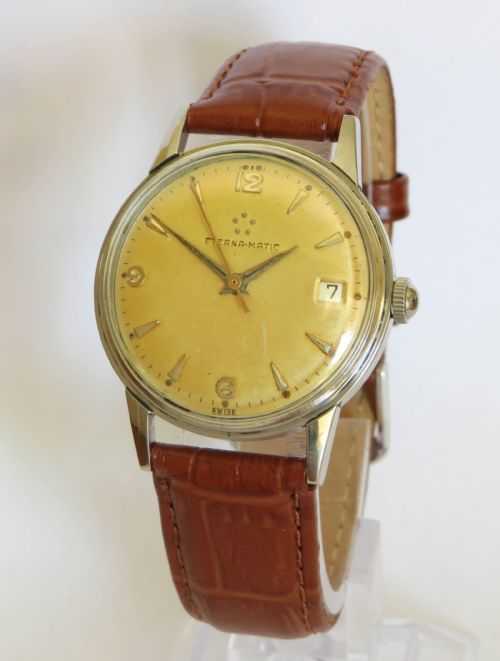
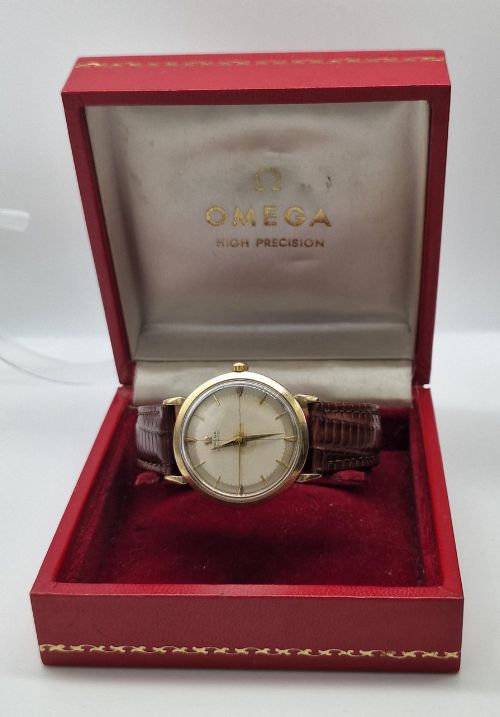
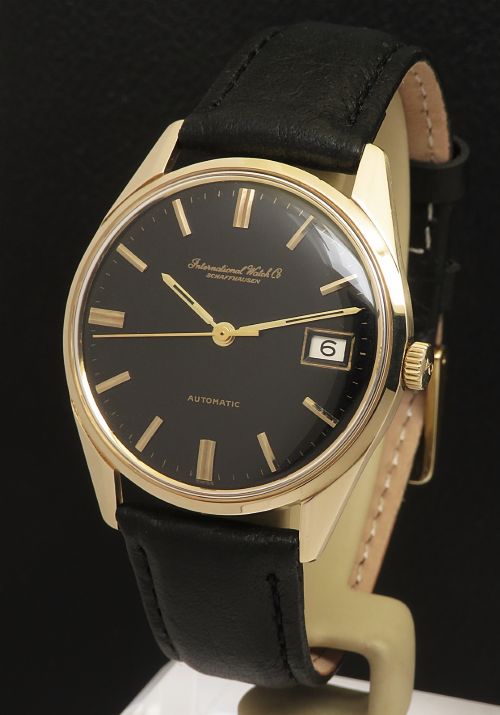
A mens automatic timepiece is a self-winding mechanical wristwatch driven by the movement of the wearer's arm rather than a manual daily wind. These pieces emerge predominantly from the 1940s, 1950s, and 1960s, spanning styles from mid-century modern to industrial horology. Wristwatches of this design range from robust steel waterproof models to refined dress watches housed in solid gold cases.
On this page, you are most likely to meet mid-century creations from established Swiss manufacturers such as Omega, alongside international makers from the same era. The forms centre on round and tonneau wristwatch cases paired with leather straps or matching metal bracelets. Dial variations range from clean silvered faces to textured honeycomb patterns and patinated surfaces.
How they were made
Cases combine metals such as stainless steel, gold plate, solid 9ct gold, and heavy 18ct gold, protecting the delicate internal movements. Crystals are formed from glass or acrylic and acrylic glass, shaped to seal the dial while offering clear visibility. Straps utilise traditional leather alongside integrated metal links.
Movements rely on complex mechanical gearing powered by an internal oscillating weight, sometimes taking the form of an early bumper mechanism. These automatic calibres translate kinetic energy from daily wear into tension on the mainspring, removing the need for manual winding.
Early automatic movements literally bump against your wrist, giving a tactile heartbeat from decades past.
What varies in quality
The choice of case material forms a primary distinction in quality, moving from gold-plated brass to solid 9ct and 18ct gold variants. Certification levels also set examples apart, with chronometer-grade movements demonstrating superior precision through rigorous timing tests.
Originality and preservation dictate the standing of individual pieces within the market. Examples retaining factory dials, matching boxes, papers, and signed buckles command greater regard than those with replaced components or heavily refinished surfaces.
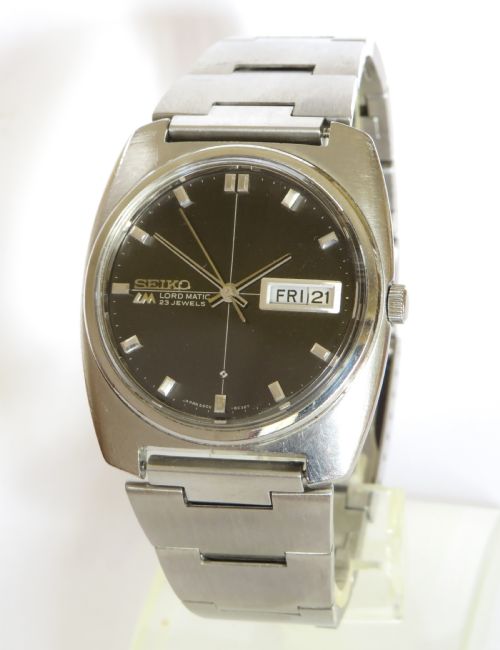
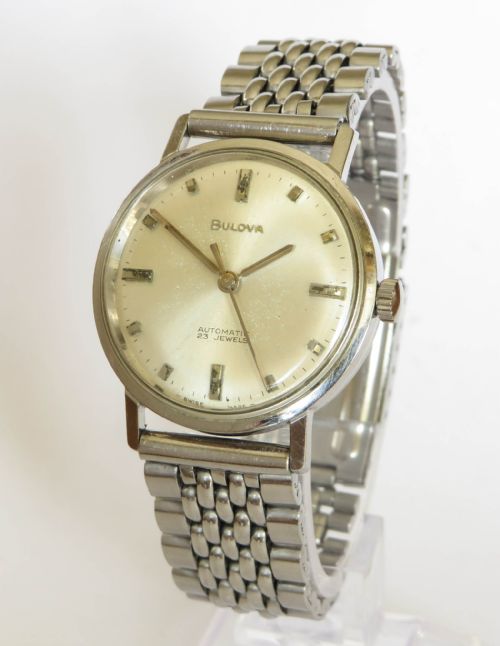
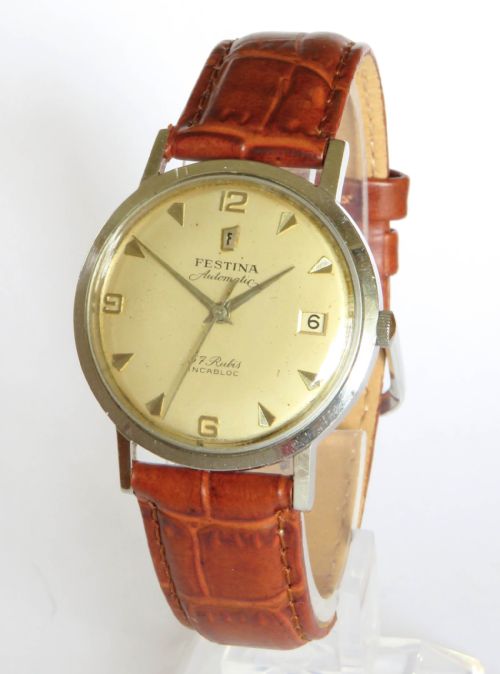
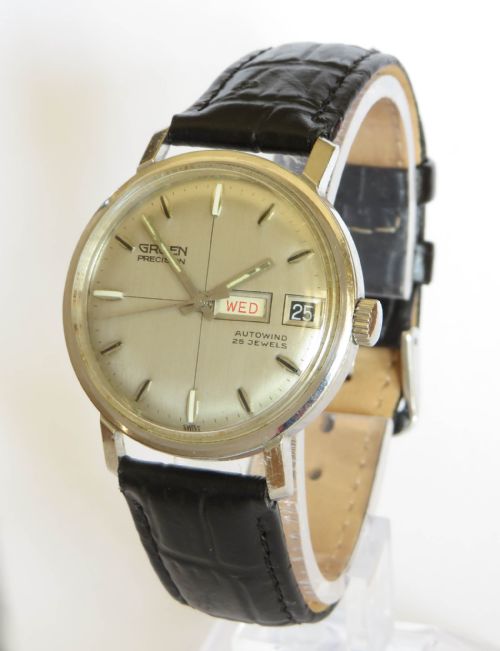
Omega·Tudor·Hamilton·Seiko·Bulova·Festina·Gruen·Eterna Matic·IWC·DeRe·Bucherer·Avia·Primula·Wittnauer·Longines·Rolex·Consul
The Mens Automatic Timepiece Glossary
- Automatic
- A self-winding mechanical movement that uses a weighted rotor to wind the mainspring during wear. This negates the need for daily manual winding.
- Chronometer
- A high-precision watch movement that has passed official accuracy tests over several days in various positions and temperatures. These pieces represent superior horological engineering.
- Bumper
- An early form of automatic movement where the rotor swings back and forth against spring-loaded buffers rather than rotating a full three hundred and sixty degrees. Collectors prize this mechanical predecessor for its distinct physical feedback on the wrist.
- Calibre
- The specific internal movement designation used by a manufacturer to identify a particular watch mechanism. Knowing the calibre helps historians date and authenticate the piece.
- Patina
- The natural ageing, darkening, or subtle colour shift that appears on a dial or case over decades of exposure to light and air. Many enthusiasts value an honest patina as proof of authenticity.
Mens Automatic Timepiece: Frequently Asked Questions
How do automatic watches wind themselves?
An internal weighted rotor pivots freely as your arm moves throughout the day. This motion transfers energy through the gear train to tension the mainspring inside the barrel.
Once fully wound by normal daily activity, the watch maintains a reserve of power to keep running through periods of rest.
What is a bumper automatic movement?
A bumper movement uses an oscillating weight that swings through a limited arc rather than spinning in a full circle. Springs at either end bounce the rotor back in the opposite direction.
Wearers can often feel a gentle thud on their wrist as the weight strikes the internal buffers.
How can I tell a watch's decade?
Design cues such as slender dagger hands, faceted hour markers, and acrylic crystal profiles often point directly to mid-century aesthetics. Serial numbers engraved on the case back or movement allow for closer chronological dating against factory records.
Are these watches suitable for daily wear?
Vintage timepieces require considerate handling and regular servicing to maintain proper mechanical function. They lack modern shock absorption and water resistance, so keeping them away from moisture and heavy impacts preserves their longevity.