





Meissen Porcelain Dish
These meissen porcelain dish examples bring German ceramic mastery to the table, offering hand-painted scenes and gilded details that collectors prize.
Meissen Porcelain Dish
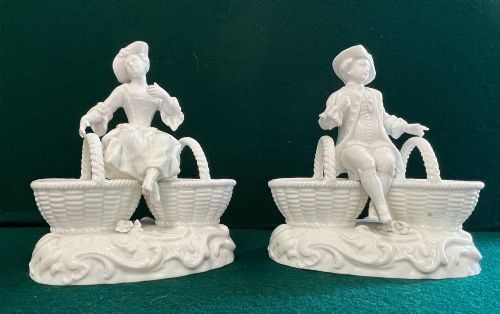
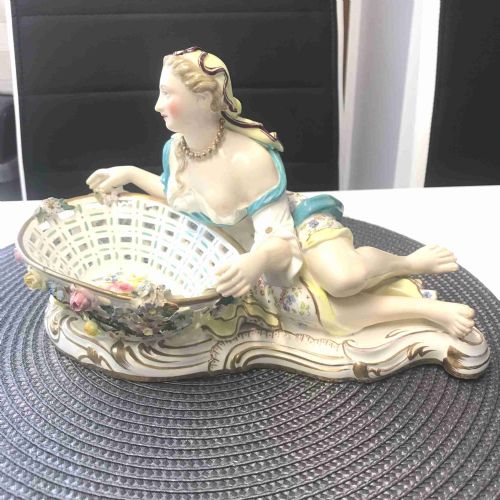
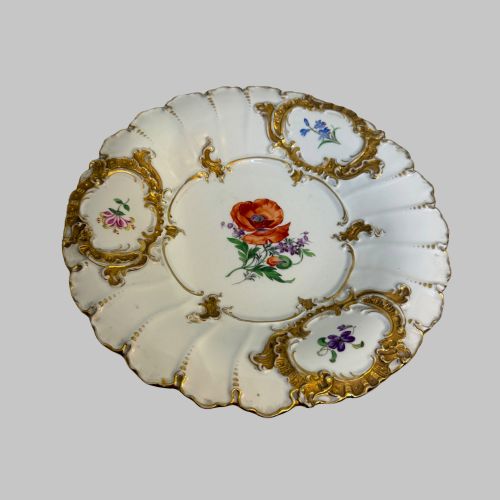
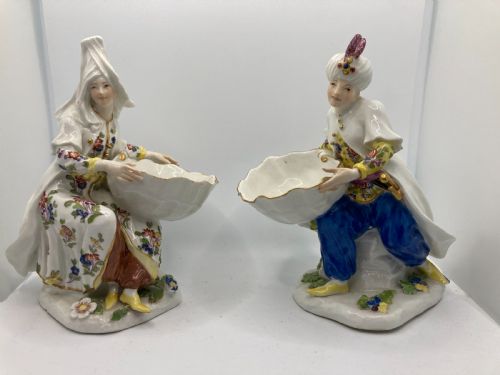
A meissen porcelain dish represents centuries of German ceramic production, spanning elaborate sweetmeat dishes, cabinet plates, and platters. You will encounter pieces ranging from the Georgian period through the nineteenth century and into the early twentieth century.
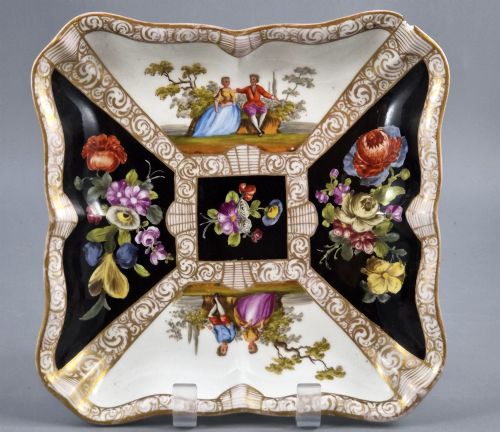
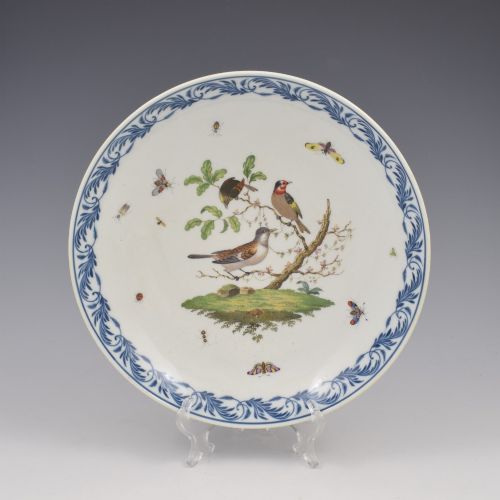
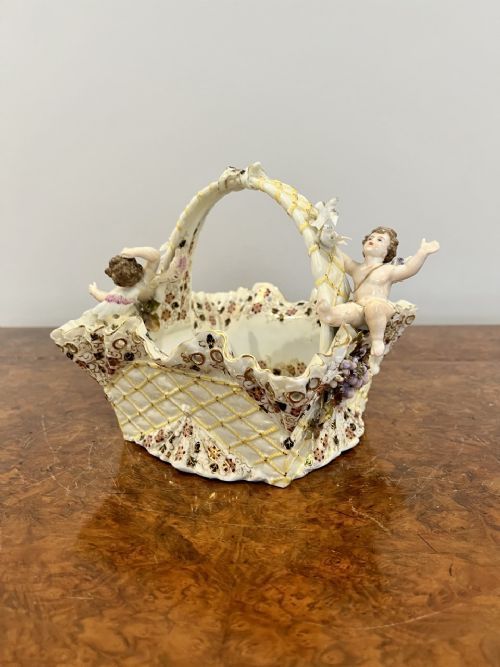
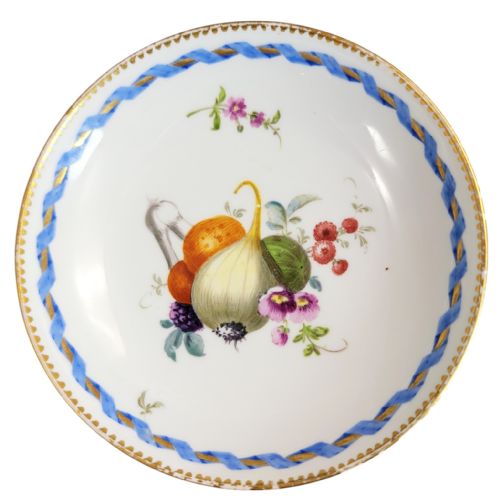
The selections on this page showcase varied forms, including square dishes, reticulated plates, and work basket dishes. Many examples feature hand-painted birds, floral motifs, and Watteau scenes derived from classical sources.
Makers and decorators drew upon established styles such as Rococo Revival, Neoclassical, and Chinoiserie. These varied forms reflect both utilitarian table service and purely decorative display functions.
Assessing quality and execution
The refinement of the hand-painted brushwork distinguishes exceptional examples from standard production. Superior items display meticulous detail in avian plumage, floral arrangements, and figural expressions.
The application and preservation of gilding and enamel contribute significantly to a piece's standing. Intricate mouldings, such as reticulated borders and sculptural elements, demand a higher degree of technical mastery.
Materials recorded across the inventory include hard-paste porcelain, gold leaf, enamel, and gilding.
Meissen
The Meissen Porcelain Dish Glossary
- Hard-paste porcelain
- A dense, durable ceramic material fired at high temperatures using kaolin and petuntse. This composition forms the durable white body characteristic of these wares.
- Overglaze enamel
- Pigments applied over the fired glaze and subjected to a secondary, lower temperature kiln firing. This technique allows for a broad palette of bright surface colours.
- Reticulated
- Openwork decoration formed by cutting or piercing patterns into the wet clay before firing. This technique creates delicate, basket-like borders on plates and dishes.
- Sweetmeat
- Small confections served during formal dining, which necessitated specialised small bowls and baskets. These table articles often took whimsical or figural forms.
- Kakiemon
- A style of Japanese porcelain decoration featuring asymmetric enamel designs of birds and flowers, which European factories frequently copied. This aesthetic influenced vibrant palette choices on German wares.
Meissen Porcelain Dish: Frequently Asked Questions
How do I date a meissen porcelain dish?
Dating relies on stylistic markers, form characteristics, and associated periods ranging from the eighteenth century to the early twentieth century. Comparing painted motifs and structural details helps establish the likely era of manufacture.
Factory marks, when present, provide additional chronological context. Reviewing period-specific forms like Rococo Revival or Neoclassical styles further narrows down the date.
What were sweetmeat dishes used for?
Sweetmeat dishes served small sugary confections, nuts, or preserved fruits during formal dining courses. Wealthy households displayed them on tables or sideboards as functional centrepieces.
Their elaborate figural or basket designs contributed to the decorative display of a dining room. Guests partook from these smaller bowls as part of dessert service.
How should I display porcelain dishes?
Display these items using stable plate stands inside enclosed cabinets to protect them from dust and accidental knocks. Wall mounting requires specialised hangers designed specifically for heavy ceramic plates.
Keep pieces away from direct sunlight to prevent fading of the overglaze enamels. Proper cabinet placement ensures the hand-painted details remain visible without risking structural damage.
What is the difference between hard-paste and soft-paste?
Hard-paste porcelain uses kaolin and quartz, fired at extremely high temperatures to create a vitreous, durable body. This material resists scratching and forms the standard base for German factory output.
Soft-paste incorporates glass frit and white clay, resulting in a slightly softer body with a distinctive glaze texture. Hard-paste pieces generally exhibit greater resilience during manufacture and daily use.