



Meissen Hand Painted Porcelain
When you search for meissen hand painted porcelain, you are looking at European ceramic history shaped by delicate brushwork and hard-paste clay.
Meissen Hand Painted Porcelain
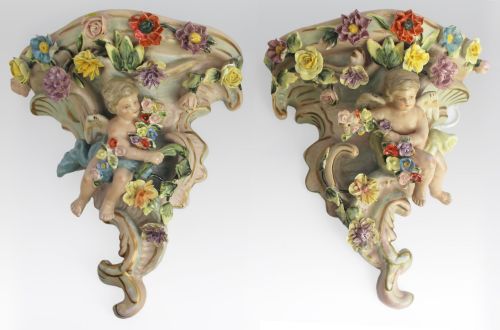
When you search for meissen hand painted porcelain, you encounter a variety of forms ranging from cabinet plates and decorative dishes to intricate figurines and urns. The selections span multiple periods, touching upon 18th-century production as well as 19th-century revivals.
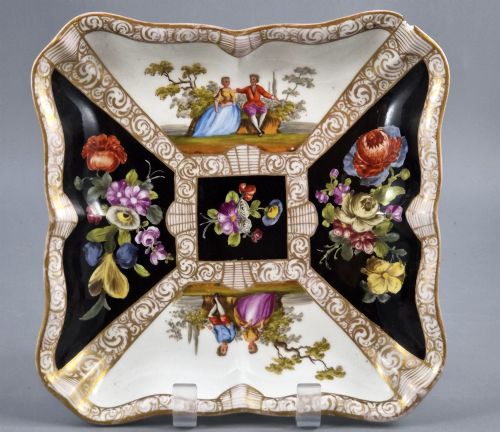
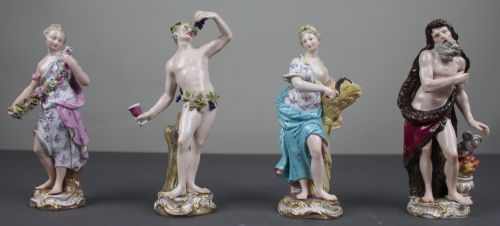
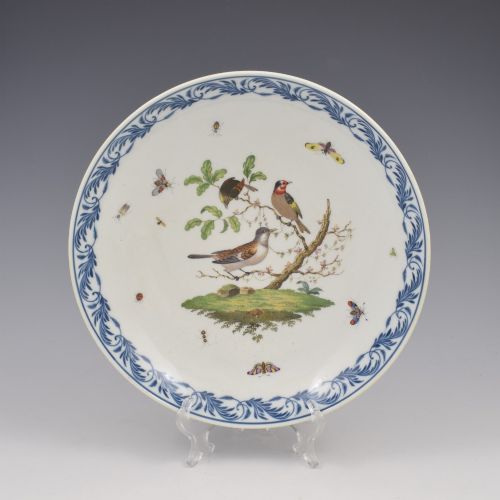
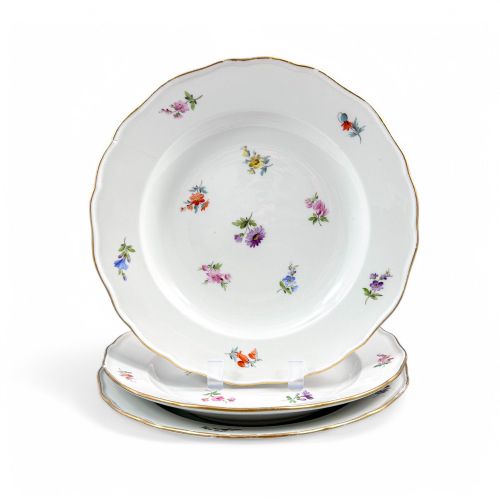
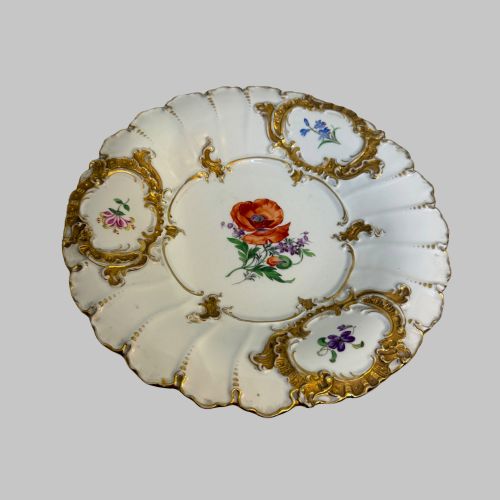
You are most likely to meet 19th-century pieces on this page, including Rococo Revival styles, floral dishes with Streublumen decoration, and ornithological bird dessert plates. Figures depicting gardeners, street traders, and romantic groups also appear frequently.
The objects originate from German traditions, carrying the legacy of the European hard-paste porcelain factory. Alongside genuine pieces, you will find items reflecting the Meissen style or produced by related Dresden workshops.
Materials and Technique
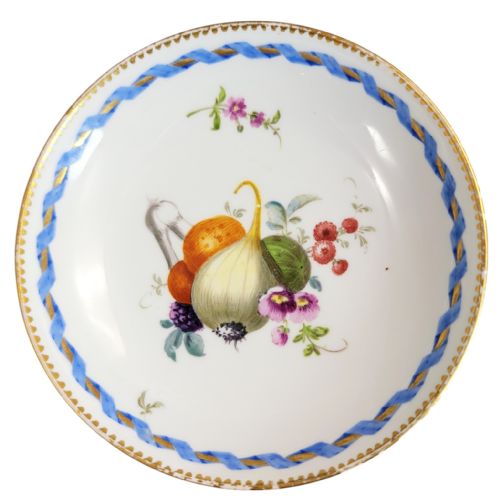
The physical basis of these items is hard-paste porcelain, fired at high temperatures to create a dense, vitreous white body. Artisans applied enamel colours by hand over or under the glaze, often incorporating detailed hand-painted birds, insects, and floral sprays.
Gold leaf and gilding frequently highlight rims, handles, and sculptural details, sometimes complemented by gilt bronze mounts. This combination of mineral pigments and precious metal leaf required precise control in the kiln to achieve lasting brilliance.
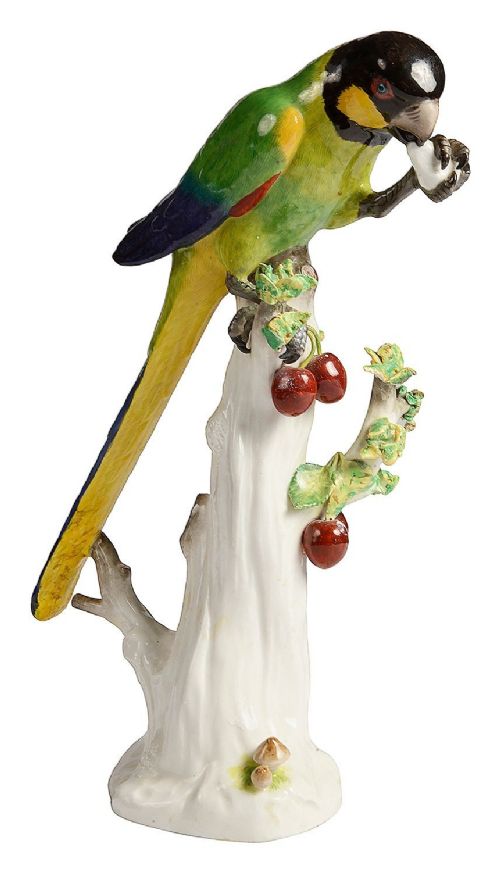
Keep an eye out for porcelain squirrels, ducks, and parrots that spent centuries watching rooms change around them.
Assessing Quality and Execution
The distinction between ordinary and exceptional pieces lies in the precision and sensitivity of the hand-painted brushwork. Superior items display meticulous detail in feathered birds, botanical specimens, and facial expressions on figurative models.
The crispness of the porcelain moulding also dictates worth, particularly in reticulated plates and complex figurative groups where sharp definition separates master output from routine factory work.
The Meissen Hand Painted Porcelain Glossary
- Hard-paste porcelain
- A durable ceramic composition of kaolin and petuntse fired at very high temperatures. It forms the solid white body characteristic of these antiques.
- Streublumen
- Scattered flower decoration painted by hand across the white surface. This pattern often appears on plates and small domestic vessels.
- Reticulated
- Openwork patterns cut into the wet clay of a plate rim before firing. This technique creates an intricate lace-like border.
- Gilt
- A thin layer of gold applied to the porcelain surface for decoration. It is frequently seen on rims and handles.
Meissen Hand Painted Porcelain: Frequently Asked Questions
How do I identify genuine pieces?
Look closely at the painted details and porcelain body to assess the finesse of the manufacture. Underglaze blue marks on the base often indicate factory origin.
Compare the form and style against known production eras to understand whether an item is an 18th-century original or a later 19th-century revival.
What is the crossed swords mark?
The crossed swords motif is the traditional factory symbol used to identify authentic items. It was hand-painted on the underside of the glaze during production.
Variations in this mark help specialists narrow down the manufacturing period and trace the history of the piece.
How should I clean porcelain?
Wash items gently by hand using lukewarm water and a mild soap. Avoid abrasive sponges or harsh chemicals that can damage the enamel and gilding.
Dry each piece thoroughly with a soft cloth before returning it to the display shelf.
What does Meissen style mean?
This term describes items produced by other potteries, such as those in Dresden, that imitated the forms and painting techniques of the original factory.
These pieces capture the aesthetic of the period while reflecting the output of different workshops and independent decorators.