



Meissen Ceramic Figures
When you handle meissen ceramic figures, you hold centuries of European kiln mastery in porcelain animal and human forms.
Meissen Ceramic Figures
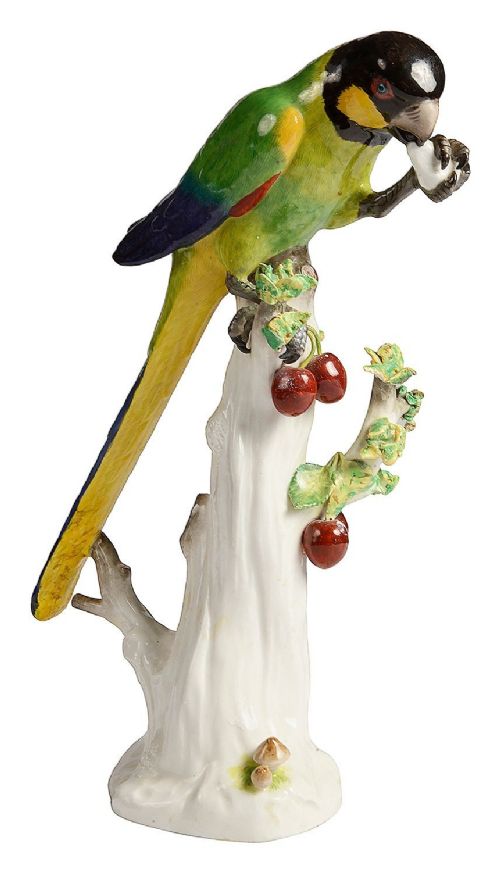
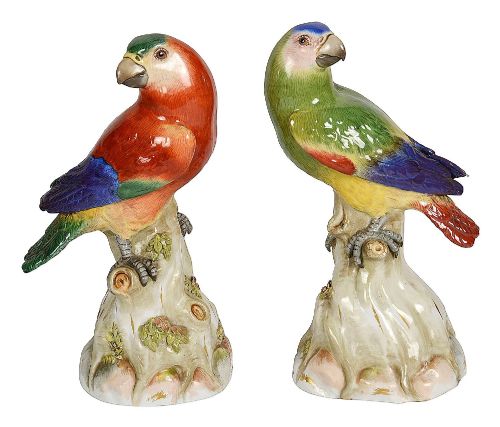
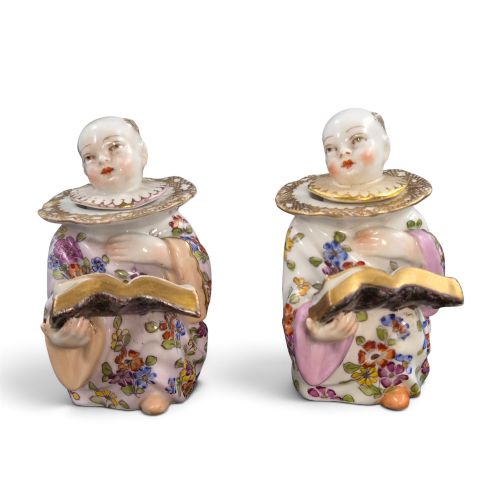
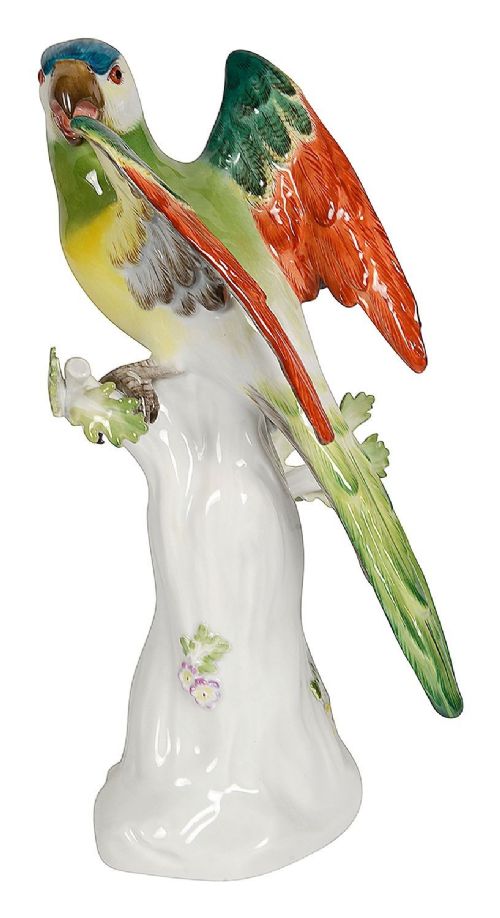
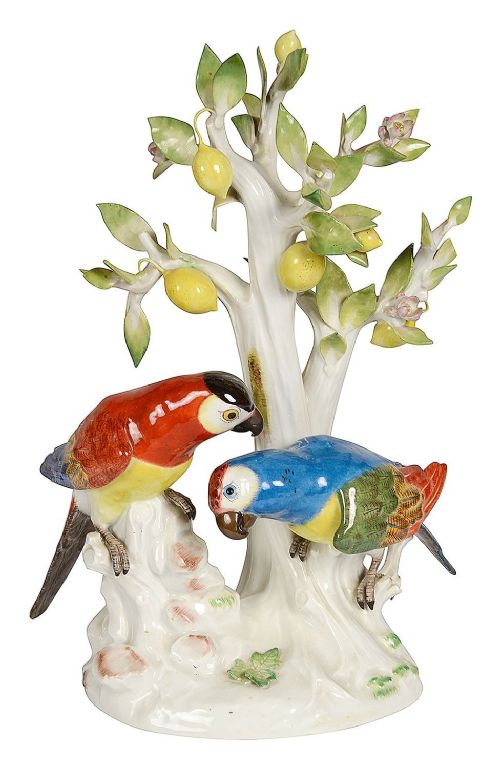
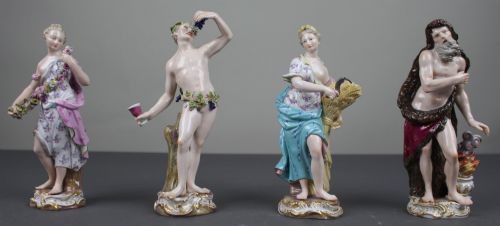
Meissen ceramic figures encompass porcelain figurines, decorative groups, and centrepieces originating from European traditions spanning the eighteenth through the twentieth centuries. You will frequently encounter nineteenth-century pairs of birds, allegorical characters, and figural inkwells on this page.
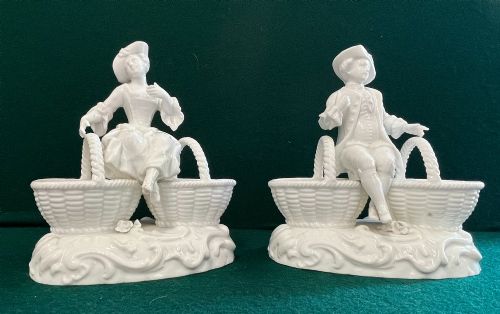
The subjects range from eighteenth-century street traders and musicians to nineteenth-century parrots, monkeys, and romantic groups. These pieces capture historical styles including Rococo Revival, Chinoiserie, and Victorian aesthetic tastes.
Materials and Techniques
Hard-paste porcelain forms the physical body of these objects, fired at high temperatures to create a dense, durable ceramic base. Artisans then applied detailed enamel colours and transparent glaze over the moulded surfaces.
Gilding and gold leaf add metallic highlights to clothing, bases, and decorative elements on select eighteenth and nineteenth-century examples. Skilled modellers shaped the clay by hand before firing and painting.
Meissen Ceramic Figures Retail Price Guide 2026
Typical asking prices for meissen ceramic figures among the pieces listed under this phrase on Sellingantiques today, from the lower quarter to the upper quarter. They describe what is for sale here now, not the wider market.
Nodding pagodas use hidden weighted heads to greet visitors with an eternal, gentle wobble.
Judging Quality and Execution
Quality rests in the sharpness of the modelling and the precision of the hand-painted enamel work across the porcelain surface. Superior examples display crisp details in facial expressions, feathers, and garments without blurring in the glaze.
The sophistication of the original design and the fidelity of the firing process separate standard production pieces from master-modelled figures. Preservation of original gilding and delicate extremities also dictates the standing of a piece.
Edmé Samson·Paul Scheurich·Helena Wolfsohn
The Meissen Ceramic Figures Glossary
- Hard-paste porcelain
- A dense, durable ceramic material composed of kaolin and petuntse fired at high temperatures. This substance forms the traditional body for authentic European figures.
- Enamel
- Opaque glass-based pigments applied to the surface of fired porcelain to create colourful decoration. Artisans fire the piece again to fuse these pigments permanently into the glaze.
- Blanc de Chine
- A French term for white porcelain without enamel colour, highlighting pure sculptural form. This finish emphasises the contours of the moulded clay.
- Bouquetiere
- A decorative vessel or figural group designed to hold small arrangements of flowers. These items often feature pierced sections for stems alongside sculptural figures.
- Marcolini Period
- The era of Meissen production spanning the late eighteenth century under the directorship of Count Marcolini. Pieces from this time carry distinct administrative marks.
Meissen Ceramic Figures: Frequently Asked Questions
How do I identify eighteenth century pieces?
Examine the modelling style, baseline form, and painted enamel details for period characteristics. Eighteenth-century figures often reflect Rococo aesthetics and distinct hand-painted palettes.
Compare the physical weight and glaze texture against documented examples from specific historical decades. Subtle variations in paste preparation help distinguish early production runs from later nineteenth-century revivals.
Were these figures meant for display?
These ceramic works served primarily as decorative objects for wealthy dining tables, mantelpieces, and cabinet displays. Owners used them to signal status, taste, and engagement with classical or exotic themes.
Certain specialised forms, such as figural inkwells or sweetmeat bowls, combined decorative sculpture with functional utility in domestic spaces.
How should I clean porcelain figures?
Dust the surface gently using a soft, dry artist brush to remove accumulated particles without damaging delicate enamel or protruding fingers. Avoid harsh chemical cleaners or submersion in water.
Keep pieces away from direct sunlight to prevent fading in the hand-painted enamel colours over extended periods of display.
What is the Marcolini period?
The Marcolini period refers to the tenure of Count Camillo Marcolini at the Meissen factory during the late eighteenth century. Production under this administration developed specific neoclassical aesthetic traits.
Pieces from this timeframe carry unique factory marks that assist collectors in dating individual ceramic sculptures accurately.