


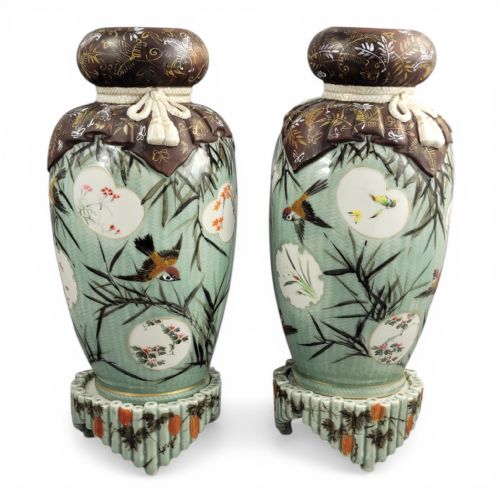

Meiji Period Stand
A meiji period stand brings refined Japanese craftsmanship into a room, supporting vessels, cabinets or sculptures with characteristic poise.
Meiji Period Stand
A meiji period stand encompasses both dedicated display tables and the matching bases created for porcelain vases, bronze sculptures and lacquer vessels. Most examples date from the late nineteenth century into the early twentieth century, aligning with the Meiji and Taisho eras.
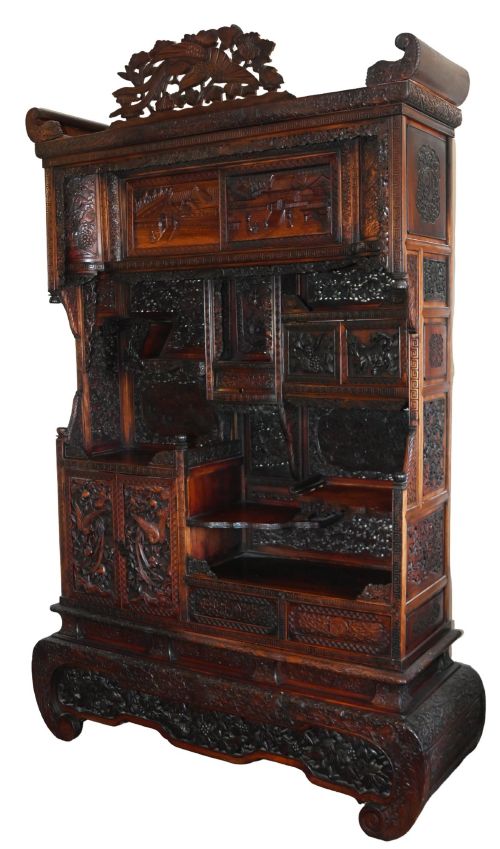
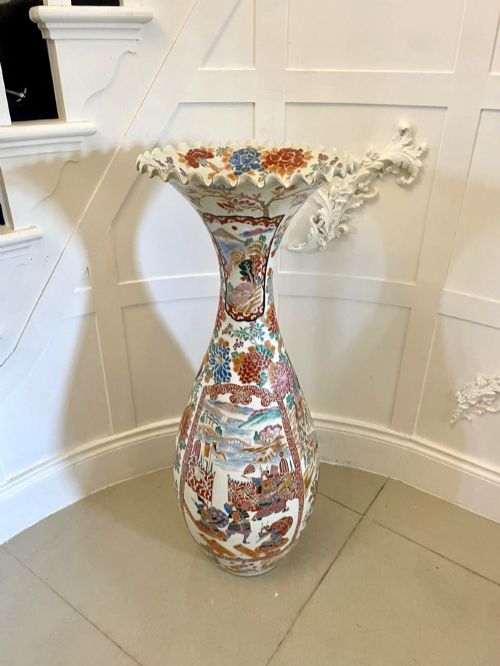
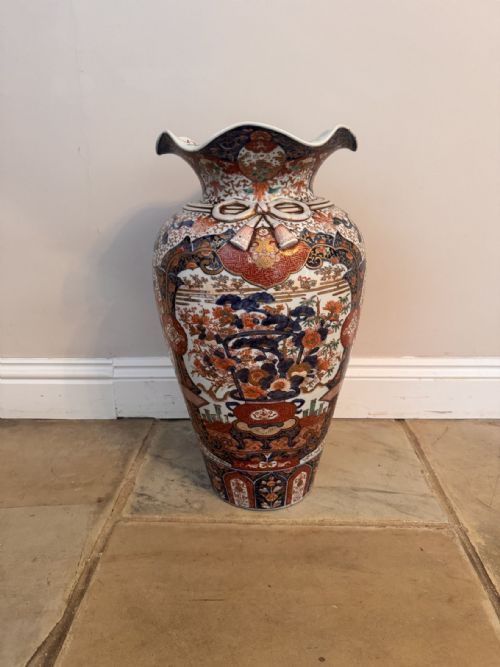
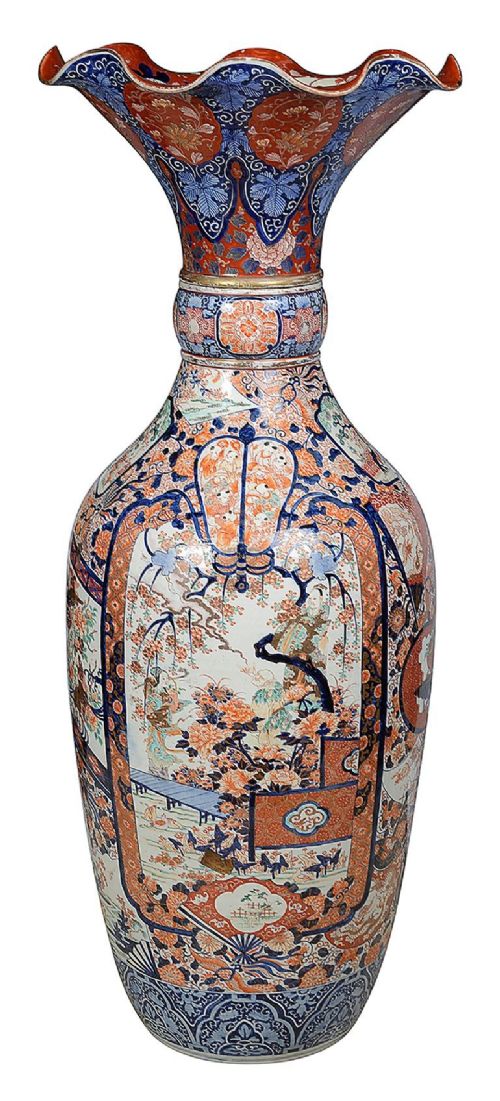
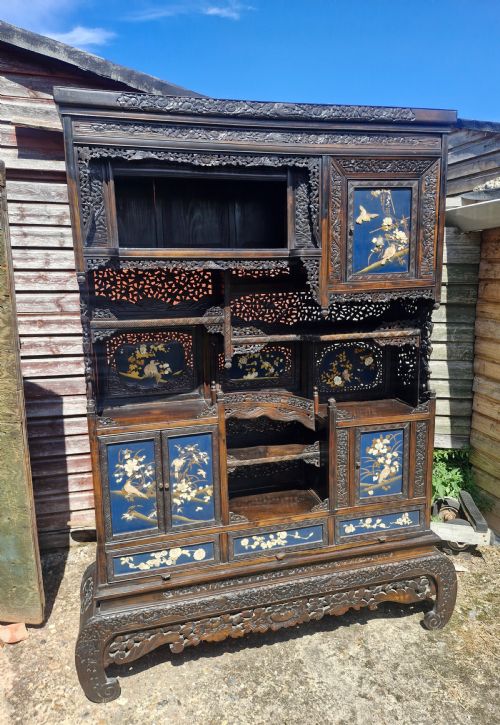
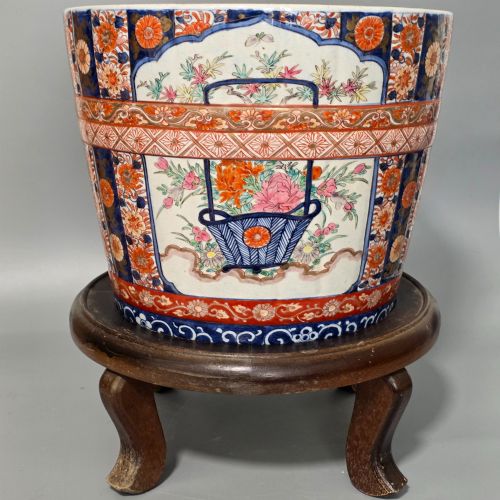
The selection frequently includes hardwood tables with marble tops, tiered shodana cabinets resting on stands, and bespoke ceramic bases designed to elevate Imari or Kutani porcelain. Buyers also encounter bamboo and ebonised elm occasional pieces influenced by the Victorian Anglo-Japanese taste.
These supports function as architectural elements for interior display, lifting decorative objects to eye level and framing intricate surface patterns. They reflect the diverse output of Japanese workshops catering to both domestic needs and international export markets.
How they were made
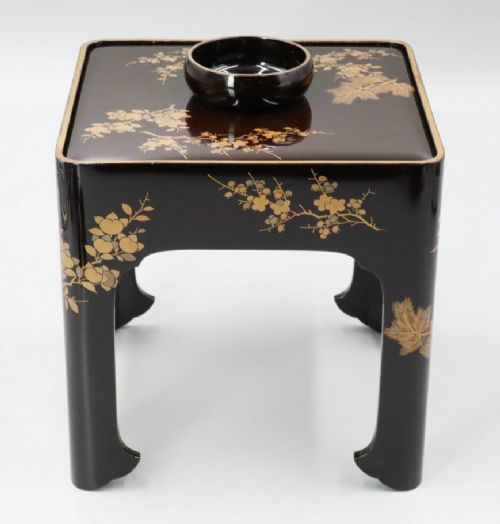
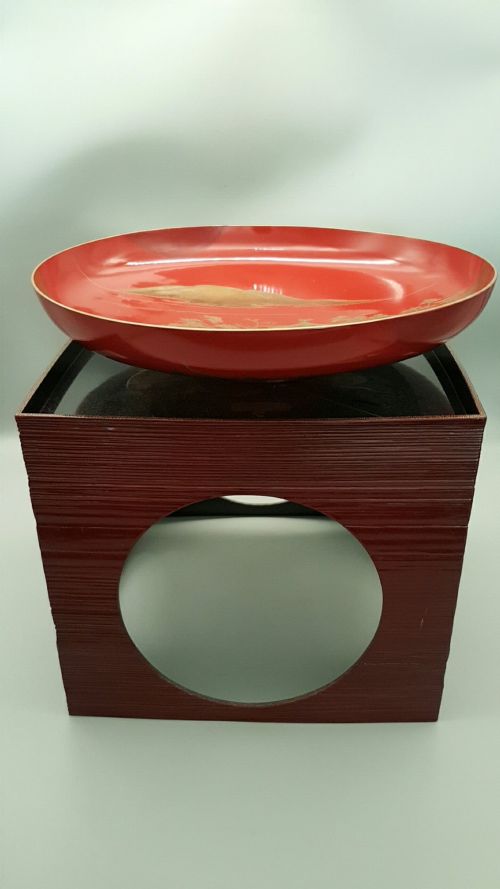
Carpenters utilised dense hardwoods, elm, and bamboo for furniture frames, employing precise joinery to construct stable tables and multi-shelved shodana cabinets. Surfaces often received ebonised finishes, intricate carved detailing, or smooth layers of black lacquer.
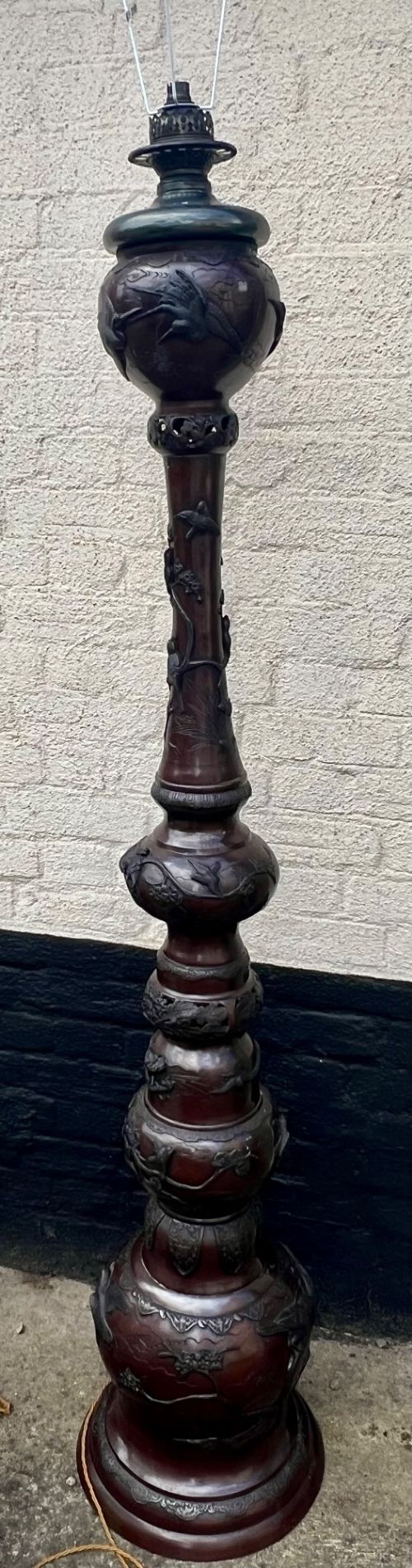
Metal components and standalone bases relied on bronze casting techniques, sometimes incorporating gold leaf accents or cloisonné enamel panels. Ceramic stands were shaped from porcelain or pottery clay, matching the body and glaze of the associated vases or planters.
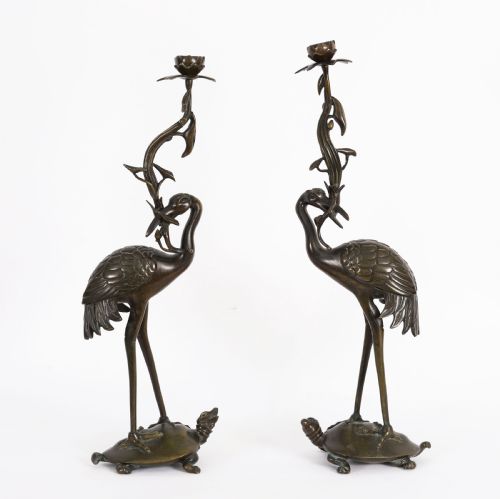
Several stands double as resting places for bronze birds of prey and small sculpted elephants.
What varies in quality
The distinction between standard commercial output and exceptional workshop production lies in the crispness of the carving and the depth of the lacquer or bronze patination. Superior pieces display harmonious proportions and seamless integration between the supporting structure and the object displayed.
Material selection dictates longevity and visual weight, with dense hardwoods and heavy cast bronze commanding greater presence than lighter bamboo or painted softwood alternatives. Original matching elements, such as an integrated porcelain stand accompanying a specific vase, elevate the integrity of the piece.
Kunio Itô·Kato Sanhei
The Meiji Period Stand Glossary
- Shodana
- A small decorative Japanese cabinet featuring asymmetrical shelving, sliding doors, and small drawers. These cabinets frequently sit upon dedicated stands.
- Imari
- A style of Japanese porcelain decorated in underglaze blue and overglaze iron red, gold, and green. Vases in this palette often require robust stands to support their substantial weight.
- Shibayama
- A technique of inlaying delicate materials such as mother-of-pearl, ivory, and shell into wood or lacquer surfaces. Cabinets and panels utilising this method display intricate pictorial motifs.
- Pricket
- A candlestick featuring a central spike upon which a candle is impaled rather than dropped into a socket. Bronze examples from the nineteenth century often appear in pairs.
- Cloisonne
- Enamel work created by applying metal wires to a base to form compartments, which are then filled with coloured paste and fired. Panels decorated this way are frequently inset into table tops.
Meiji Period Stand: Frequently Asked Questions
How do I identify a Meiji period stand?
Examine the construction methods, wood types, and decorative motifs for characteristics consistent with late nineteenth-century Japanese workshop production.
Look for traditional joinery, dense hardwoods, and stylistic influences that bridge Japanese craftsmanship with Victorian aesthetic preferences.
Were stands always made for specific vases?
Some ceramic vases and bronze sculptures were created alongside matching original bases to ensure stability and proportion.
Other tables and plant stands served as versatile platforms for displaying a variety of decorative objects.
How do I care for lacquer surfaces?
Keep lacquer cabinets and table tops away from direct sunlight and extreme fluctuations in temperature to prevent drying and cracking.
Dust gently with a soft, dry cloth and avoid applying modern chemical polishes or cleaning agents.
What is an Anglo-Japanese piece?
This style reflects the fusion of Japanese decorative arts with British Victorian furniture forms, emerging during the late nineteenth century.
Pieces often combine ebonised wood structures with Asian motifs, creating functional items suited to Western interiors.