



Meiji Period Bronze Dish
A meiji period bronze dish brings intricate metalwork and traditional motifs into a room, offering a tangible piece of late nineteenth-century Japanese artistry.
Meiji Period Bronze Dish
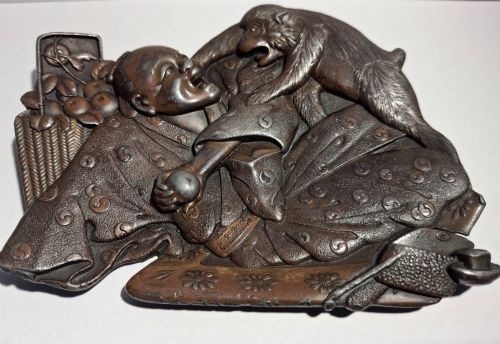
When you search for a meiji period bronze dish, you encounter decorative chargers, plates, and trays originating from Japan during the nineteenth century. These items include both bronze pieces and related metal or enamel forms created in the same historical window.
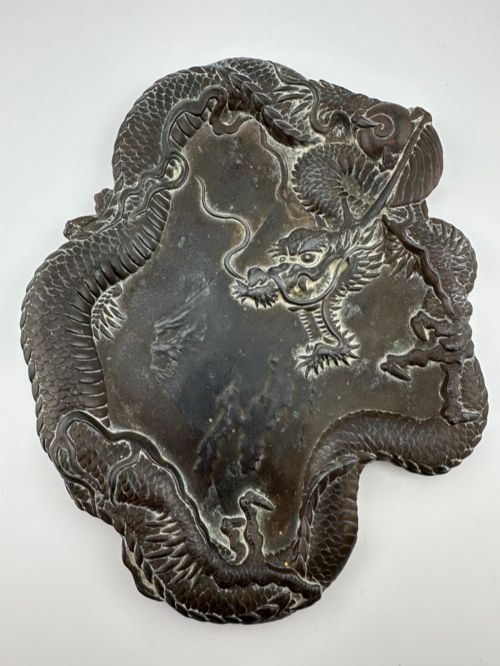
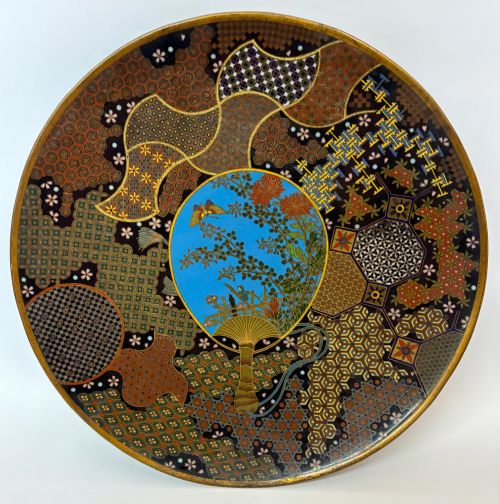
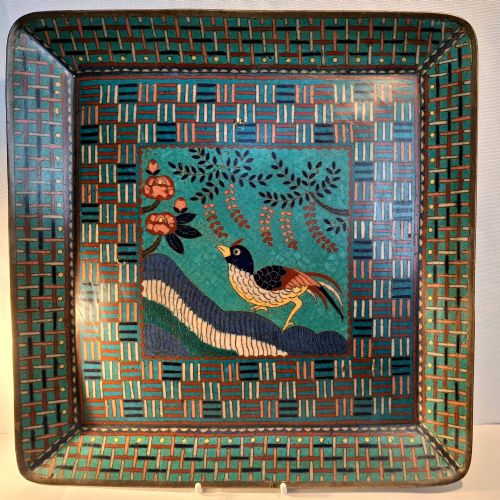
The version you are most likely to meet on this page is a decorative charger or dish decorated with traditional subjects like dragons, birds, and flowers. Many examples date from the 1890s and 1900, reflecting the peak of export production during the Meiji era.
Materials and Technique
These pieces utilise base metals such as bronze, brass, copper, and antimony metal, often finished with a dark patina or enriched with mixed-metal inlays of silver and gold. Artisans shaped circular surfaces to receive complex pictorial designs.
Meiji Period Bronze Dish Retail Price Guide 2026
Typical asking prices for meiji period bronze dish among the pieces listed under this phrase on Sellingantiques today, from the lower quarter to the upper quarter. They describe what is for sale here now, not the wider market.
Frogs occasionally share charger space with dragons and butterflies, adding an unexpected touch of pond life to imperial-scale metalwork.
Distinctions in Execution
Quality rests upon the precision of the metalwork and the control of the enamelling process. Finely worked wires and seamless colour transitions distinguish superior chargers from simpler production pieces.
The complexity of the subject, such as detailed multi-element dragon scenes or intricate mixed-metal inlays, separates standard decorative plates from masterwork examples bearing signatures.
Kinkozan
The Meiji Period Bronze Dish Glossary
- Patinated bronze
- Bronze treated with chemicals or heat to alter its surface colour. This finish protects the metal and adds historical depth.
- Cloisonne enamel
- A technique where metal wires form cells on a surface to hold coloured glass paste before firing. It creates vibrant, patterned imagery.
- Antimony metal
- A brittle, silvery material utilised in decorative metalwork. It provides a stable base for cast trays and dishes.
- Charger
- A large decorative plate intended for display rather than dining. These pieces often anchor a wall or table arrangement.
- Komai style
- Metalwork involving damascening gold and silver into a dark iron or bronze ground. The resulting patterns show immense miniature detail.
Meiji Period Bronze Dish: Frequently Asked Questions
What is a meiji period bronze dish?
A meiji period bronze dish is a decorative metal object made in Japan during the late nineteenth or early twentieth century. These items serve primarily as display pieces rather than functional tableware.
Craftsmen utilised various copper alloys, patination, and inlays to produce intricate surface designs. The imagery often draws from traditional Japanese mythology and nature.
How do I date a meiji dish?
Dating relies on stylistic clues, manufacturing techniques, and any accompanying signatures on the reverse or base. Pieces from the later decades often show highly refined cloisonne work and mixed-metal detailing.
Comparing the specific motifs and wire thicknesses against known historical production helps narrow the decade of manufacture. Most examples span the period from the 1870s to 1900.
Where should I display these dishes?
These chargers and plates suit prominent positions on walls, mantelpieces, or dedicated stands. Their substantial scale allows them to function as focal points in a room.
Keeping them away from direct strong sunlight protects enamel colours over time. Gentle placement ensures the patinated surfaces remain undisturbed.
Are all these dishes made of bronze?
While the search term specifies bronze, the actual material varies across listings to include brass, copper, antimony metal, and enamel-on-copper constructions. Metalwork of this era frequently combined multiple alloys and mixed-metal elements.
Each material provides a different structural weight and surface texture for the artisan's design. Examining the specific listing details reveals the exact composition of an individual piece.