





Meiji Japanese Export Ceramic
These meiji japanese export ceramic pieces combine intricate hand-painted palettes with traditional forms made for Western markets during the late nineteenth and early twentieth centuries.
Meiji Japanese Export Ceramic
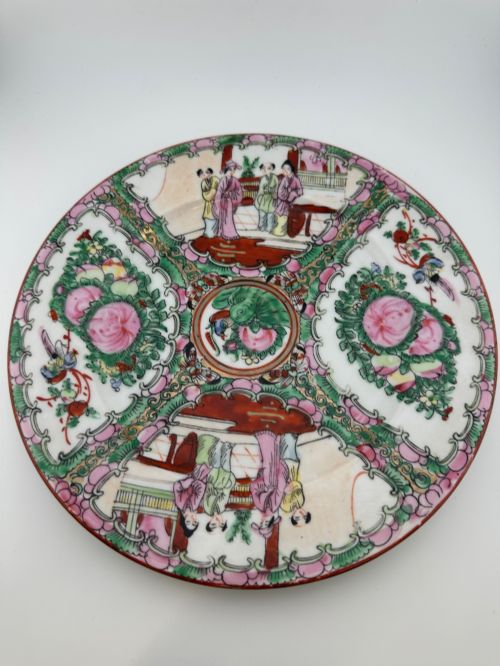
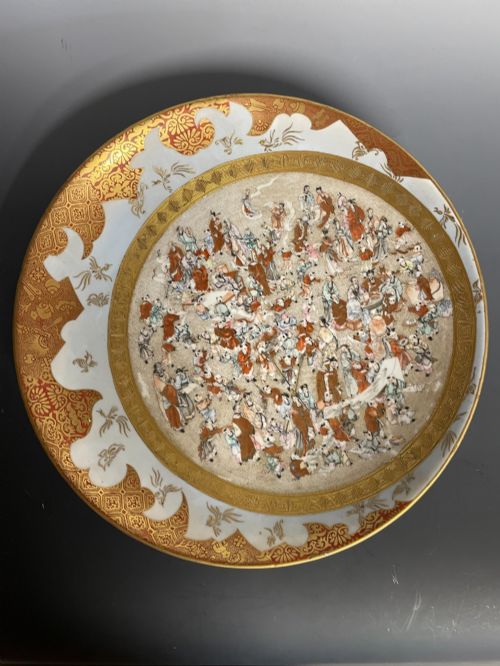
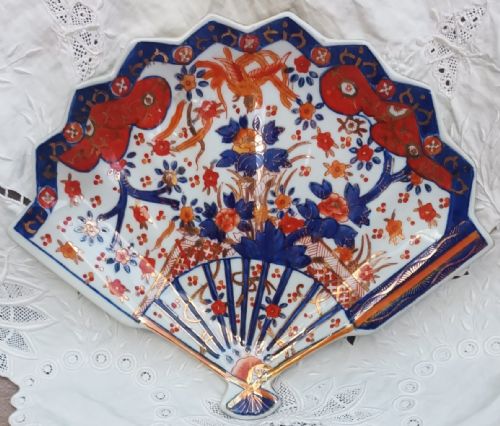
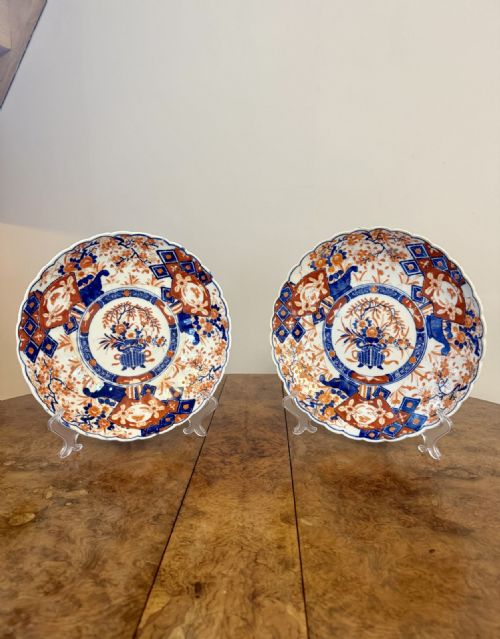
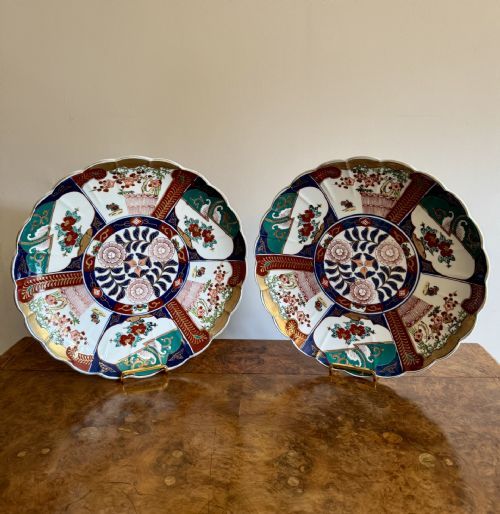
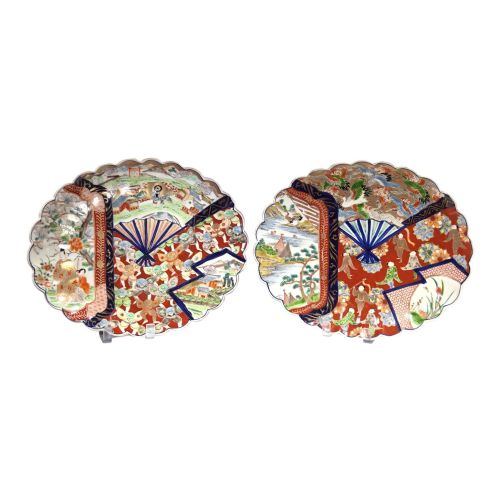
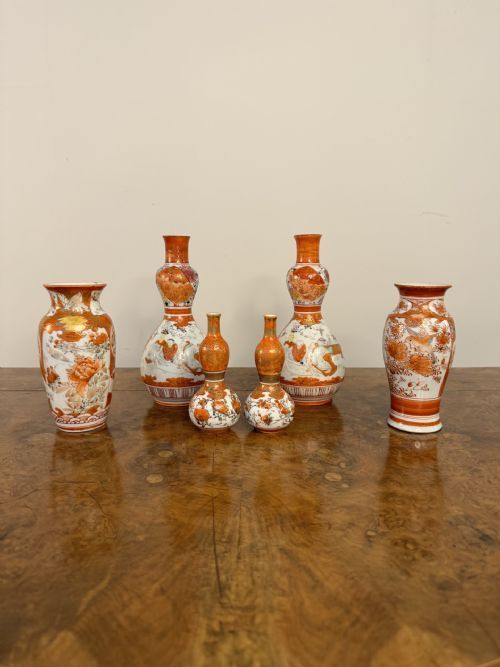
Meiji japanese export ceramic selections comprise decorative plates, chargers, bowls, vases, and lidded jars produced in Japan and shipped abroad during the late nineteenth and early twentieth centuries. The offerings on this page lean heavily towards Imari porcelain plates and chargers alongside Kutani and Satsuma wares.
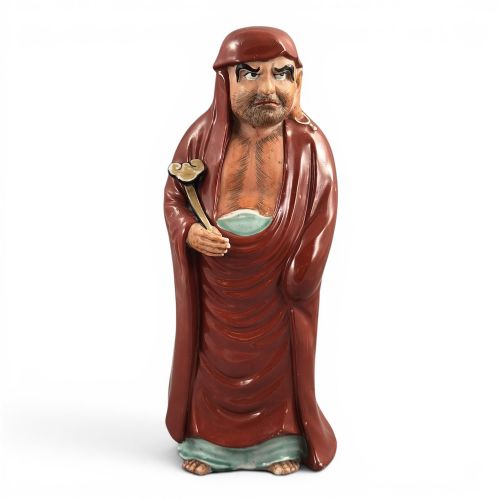
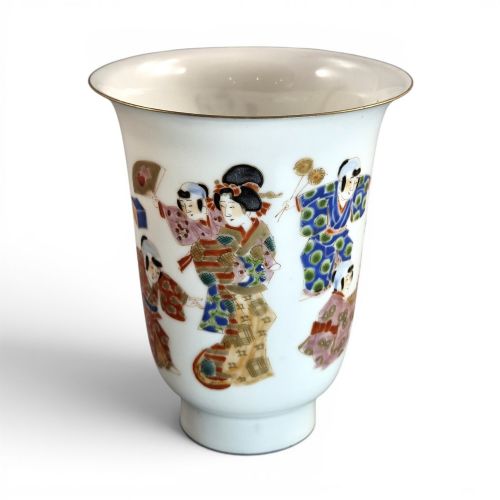
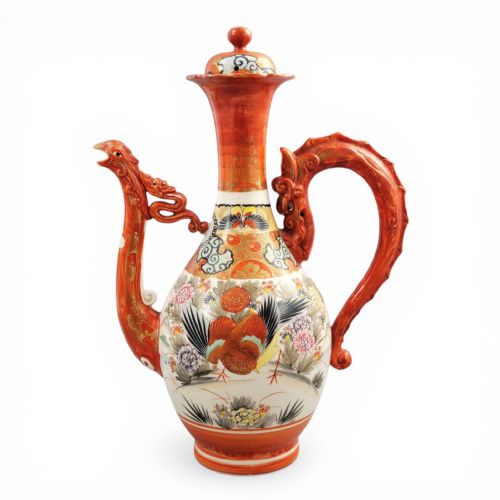
Buyers encounter various forms ranging from large scallop-edge chargers to eggshell porcelain vases and okimono figures. These objects demonstrate the diverse manufacturing output tailored for international trade during the Meiji period and subsequent Edwardian era.
How they were made
Potters shaped porcelain and earthenware bodies on wheels or in moulds before applying underglaze blue and overglaze enamel pigments. Artisans integrated gold leaf and detailed gilding to accentuate pictorial motifs across the surface.
Kiln firing fixed the mineral glazes and enamel colours, yielding durable decorative items. Workshops then polished surfaces or mounted metal accents where appropriate to finish the exported vessels.
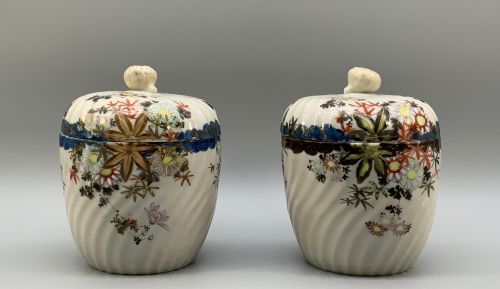
Object forms recorded here include chargers, ewers, okimono figures, ribbon plates, and lidded jars.
What varies in quality
Execution of the hand-painted brushwork dictates visual success, where confident lines and balanced compositions separate standard production from superior output. The precision of intricate patterns, such as exotic birds or figural scenes, reveals the skill of the individual workshop.
Application of gilding and enamel richness contributes to overall depth, with heavier gold leaf and vibrant pigments creating greater presence. Weight and proportion of the porcelain or earthenware body also indicate the standard of production.
Hichozan Shinpo·Hododa·Kinkozan·Hattori
The Meiji Japanese Export Ceramic Glossary
- Imari
- A style of Japanese porcelain decorated in underglaze blue, iron red, and gilt. These wares originated from the town of Arita and became central to export trade.
- Kutani
- A style of Japanese pottery and porcelain known for bold colour palettes, particularly iron red and green. Pieces often feature dense figural or floral designs.
- Satsuma
- A type of Japanese earthenware featuring a pale, ivory-coloured cracked glaze. These surfaces are typically decorated with elaborate polychrome enamels and gilding.
- Okimono
- A small Japanese freestanding carved sculpture intended for display. These decorative figures portray deities, historical figures, or animals.
- Mon
- A Japanese emblem or crest used to identify families or clans. These mon symbols frequently appear on export Satsuma and Imari ceramics.
Meiji Japanese Export Ceramic: Frequently Asked Questions
What is meiji japanese export ceramic?
These items represent porcelain and earthenware vessels manufactured in Japan during the late nineteenth and early twentieth centuries specifically for international buyers. They encompass Imari chargers, Satsuma vases, and Kutani dishes.
Potters combined traditional Japanese aesthetics with motifs appealing to Western tastes of the Victorian and Edwardian periods. The resulting objects served primarily as decorative display pieces in European and American homes.
How do I identify Imari ware?
Imari ceramics are recognised by a distinct palette combining underglaze cobalt blue with iron red and supplementary gilding. Designs often incorporate floral panels and brocade patterns.
The porcelain body beneath tends to be crisp and white, carrying deep cobalt tones that contrast sharply against the bright red and gold overglaze details.
What is Satsuma ware?
Satsuma pieces consist of a buff earthenware body covered in a characteristic fine-crackled creamy glaze. Artisans painted these surfaces using dense polychrome enamels and raised gold leaf.
Subjects on Satsuma wares frequently include historical figures, samurai battles, and complex nature scenes. Many incorporate family crests or mon symbols on the base or body.
How should I display these ceramics?
Large chargers and plates suit wall mounting with proper plate hangers or stable display stands on sturdy furniture. Vases and jars look best positioned where adequate lighting highlights the enamel and gold leaf details.
Keep these delicate pieces away from direct sunlight to preserve the vibrant overglaze colours and gilt accents over time. Dust gently with a dry, soft cloth rather than using liquid cleaners.