



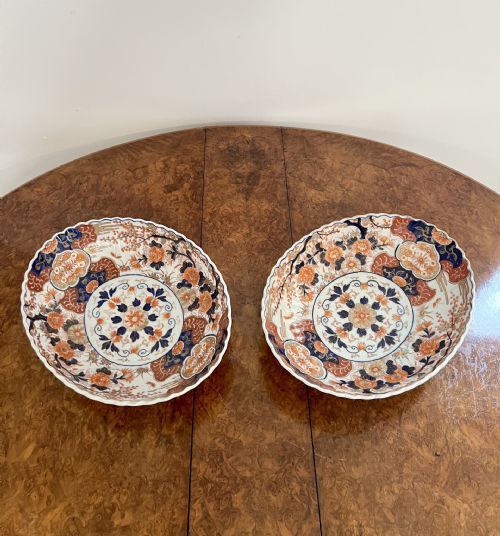


Meiji Floral Porcelain Bowl
A meiji floral porcelain bowl brings vibrant Japanese artistry into a room, offering intricate floral patterns and rich heritage.
Meiji Floral Porcelain Bowl
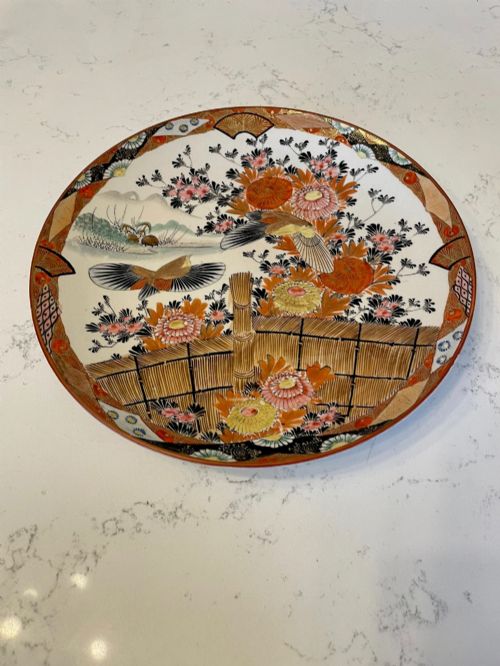
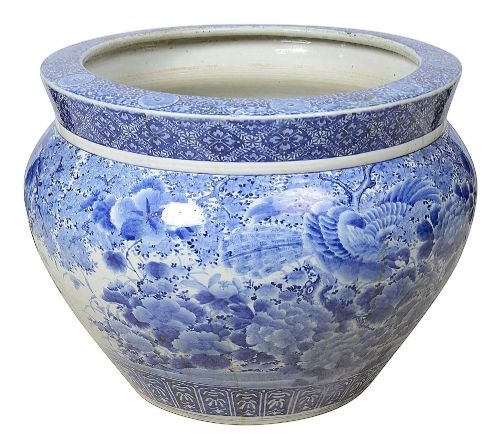
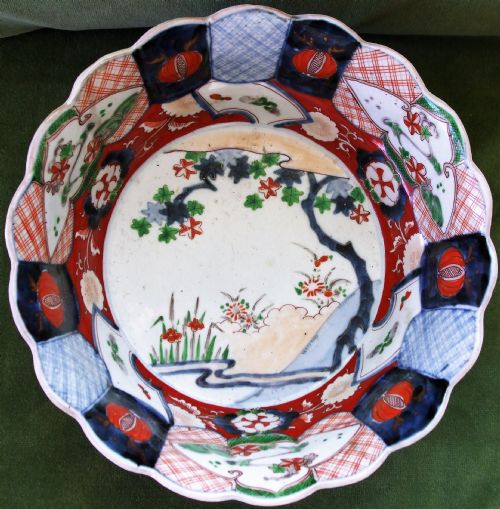
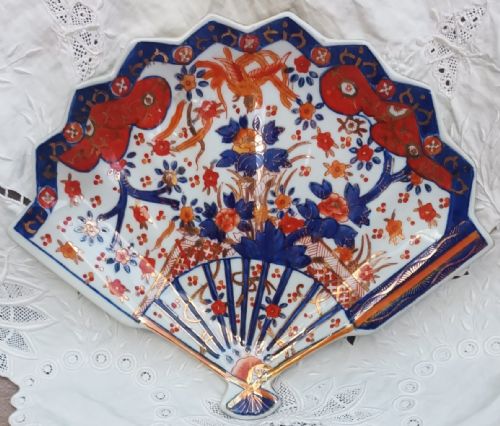
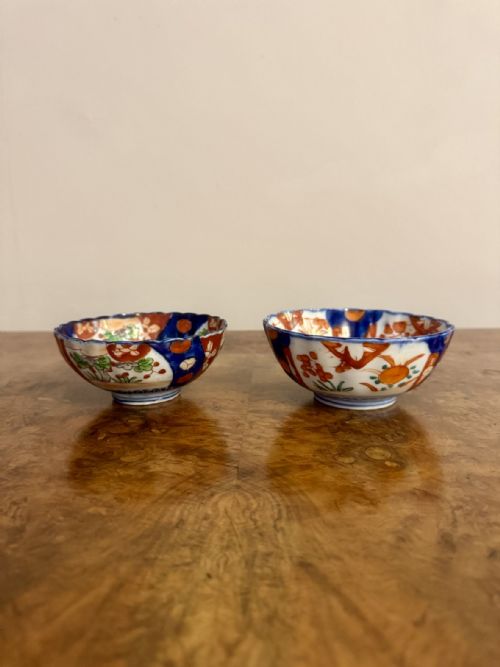
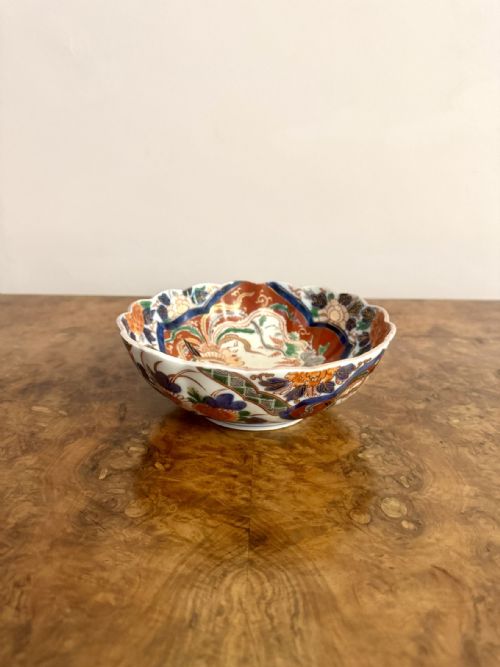
A meiji floral porcelain bowl represents the decorative artistry produced during the Meiji period and related eras, featuring elaborate floral designs. These vessels appear in forms such as large scalloped centrepieces, shallow dishes, miniature bowls, and grand jardinieres.
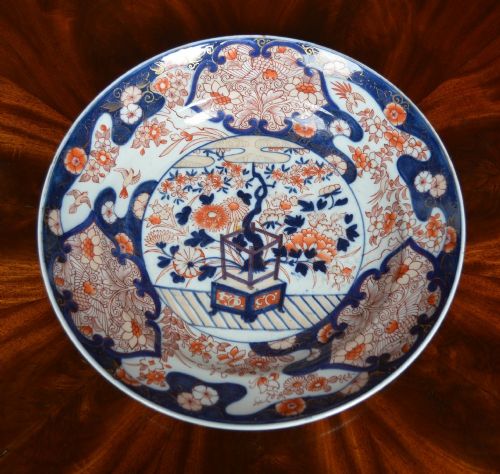
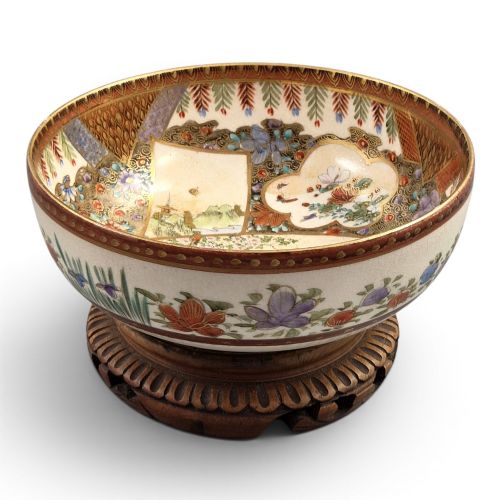
Most examples originate from Japanese traditions including Imari, Satsuma, Kutani, and Arita. Buyers frequently encounter nineteenth-century Imari and Satsuma wares adorned with hand-painted floral and gilt details.
How they were made
Potters shaped porcelain, earthenware, and ceramic bodies before applying detailed cobalt underglaze, enamel, and glaze finishes. Artisans incorporated gold leaf and gilding to accentuate floral motifs and create layered surface textures.
Many items display hand-painted compositions combined with moulded or scalloped edges. Workshops utilised traditional firing methods to set complex polychrome pigments and metallic accents.
Certain Satsuma bowls manage to cram a thousand hand-painted flowers into a surface you could easily cover with a dinner plate.
What varies in quality
The precision and complexity of the hand-painted floral decoration distinguish the finer examples from standard production. Artisans who employed meticulous brushwork and rich enamel palettes achieved superior visual depth.
Signed pieces and works bearing specific artist marks or family crests often demonstrate higher standards of execution. The crispness of scalloped moulding and the stability of the glaze also separate exceptional vessels from ordinary ones.
Kozan·Ryuzan·Nikko·Shozo
The Meiji Floral Porcelain Bowl Glossary
- Imari
- A traditional style of Japanese porcelain featuring a distinct palette of cobalt blue, iron red, and gold. These pieces display dense floral and brocade patterns.
- Satsuma
- A type of Japanese earthenware characterised by a crackle-glaze finish and intricate polychrome enamel designs often enhanced with gold.
- Kutani
- Japanese ceramic ware known for bold overglaze painting, particularly utilising greens, blues, yellows, and purples alongside detailed floral and figural subjects.
- Jardiniere
- A large decorative ceramic or porcelain pot or bowl designed to hold plants or flowers. These items form substantial centrepieces within an interior scheme.
- Millefleur
- A decorative pattern translating to thousand flowers, covering the entire surface of the bowl in a dense tapestry of tiny blossoms.
Meiji Floral Porcelain Bowl: Frequently Asked Questions
How do I identify a Meiji period bowl?
Meiji period bowls often combine traditional Japanese motifs like Imari palettes or Satsuma crackle-glazes with precise hand-painted floral details. Examining the materials, including porcelain or earthenware combined with enamel and gilding, helps confirm the era.
Signatures or artist marks found on the base provide further clues to specific makers and workshops active during the late nineteenth and early twentieth centuries.
Where should I display a large floral bowl?
Large scalloped bowls and jardinieres suit prominent positions on dining tables, sideboards, or pedestals where their painted interiors remain visible. Placing them away from direct sunlight protects the delicate enamels and gold leaf from fading over time.
Pairing these vessels with simple surroundings allows the intricate floral patterns and rich cobalt or red tones to stand out in the room.
What is the difference between Imari and Satsuma ware?
Imari pieces are typically made of porcelain featuring cobalt blue and iron red underglazes accented with gold. Satsuma items are generally earthenware with a characteristic ivory crackle glaze and dense polychrome enamel painting.
Both styles frequently incorporate floral themes, but their foundational ceramic bodies and colour schemes create distinct visual textures.
Can I use these bowls for daily service?
Antique decorative bowls and dishes serve best as display pieces or centrepieces rather than everyday tableware. The hand-painted enamels, gold leaf, and delicate ceramic bodies require gentle handling to preserve their condition.
Dusting with a soft, dry cloth is usually sufficient for routine maintenance without risking the glazed surfaces.