
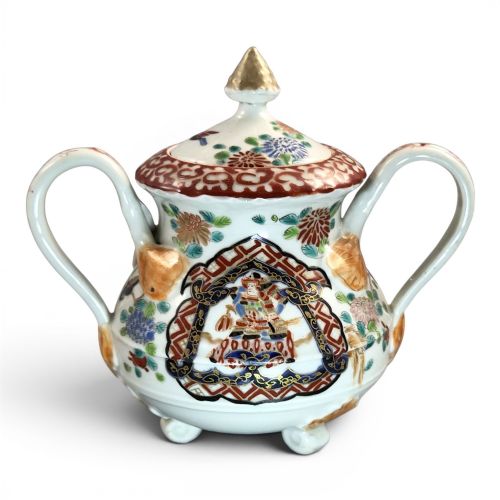


Meiji Era Porcelain
Meiji era porcelain brings intricate hand-painted detail and rich Japanese craftsmanship directly into your home.
Meiji Era Porcelain
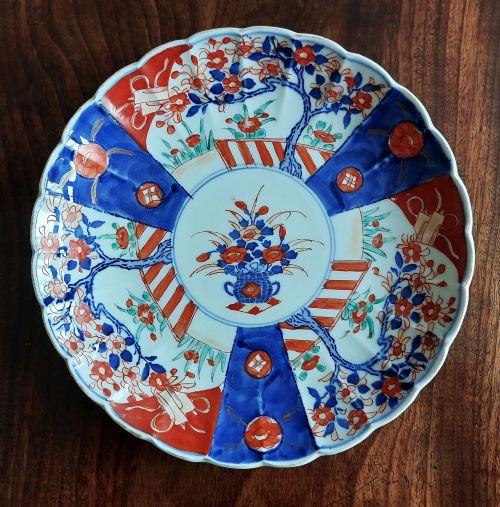
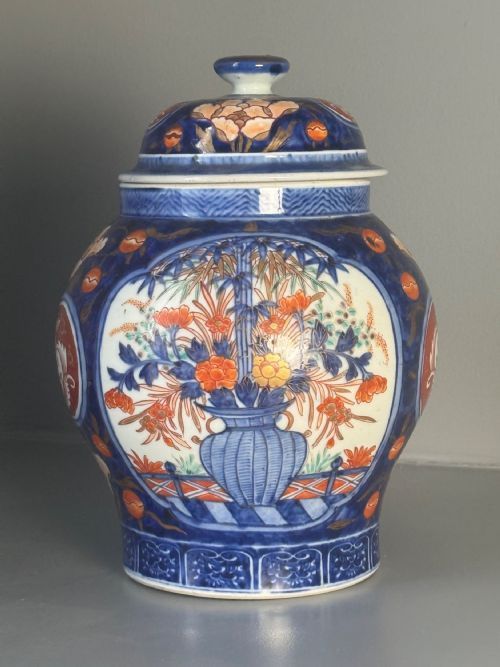
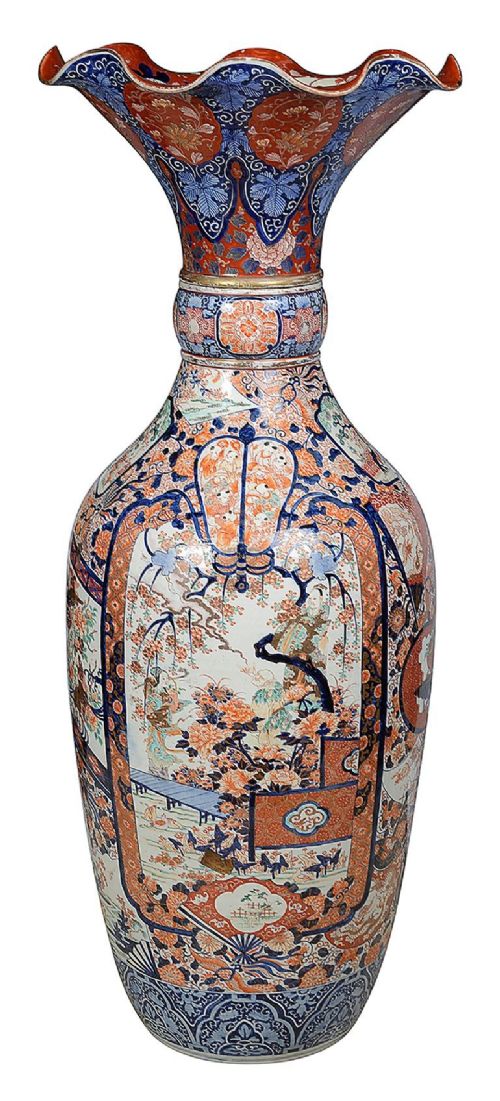
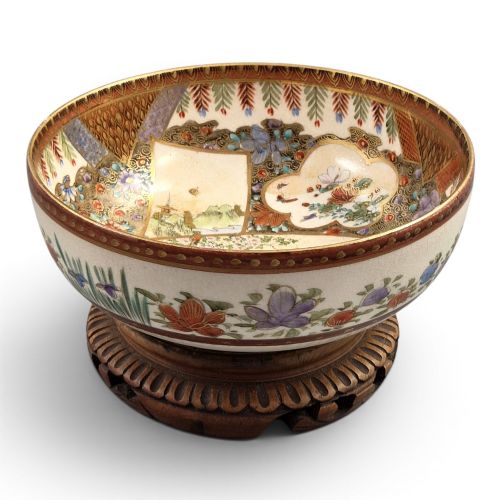
When you search for meiji era porcelain, you encounter a diverse range of decorative objects originating from late nineteenth and early twentieth century Japan. The selections span substantial floor vases and garnitures alongside delicate decorative plates, chargers, sugar bowls, and figurative okimono.
Vases and decorative plates dominate the groupings, frequently displaying traditional motifs such as samurai scenes and natural subjects like mandarin ducks or koi. These forms represent the primary aesthetic expressions of Japanese workshops during the period.
The objects reflect the distinct styles associated with the Meiji period, encompassing traditional Imari patterns alongside finely detailed Satsuma and Kutani wares. Each piece serves as a physical record of the export and domestic production methods active between the late eighteen hundreds and the early nineteen tens.
What varies in quality
The standard of execution differs significantly between standard export items and pieces bearing specific signatures from recognised workshops like Kinkōzan or individual makers such as Makuzu Kozan. Finer examples display superior control in brushwork, intricate detailing of figures like samurai, and precise application of enamel and gold leaf.
The scale and ambition of the object also dictate its standing, with large floor vases and matching garniture sets requiring greater technical mastery in firing and painting than smaller miniature vessels or single plates. Greater complexity in the ceramic form, such as bamboo-handle shapes or garlic head profiles, indicates higher workshop capability.
Listings feature items dated across the nineteenth and early twentieth centuries, spanning from eighteen hundred to nineteen ten.
Fukagawa Mark·Kinkōzan·Makuzu Kozan II·Chosei Mark
The Meiji Era Porcelain Glossary
- Imari
- A style of Japanese porcelain decorated in underglaze blue, iron red, gold, and supplementary colours. The tradition originated in Hizen province and was extensively produced for export during the Meiji era.
- Satsuma
- Earthenware pottery with a fine crackle glaze, typically decorated with elaborate polychrome enamel and gilt designs depicting figures, warriors, and landscapes. Many pieces were produced in Kyoto by prominent studios.
- Kutani
- Japanese porcelain and ceramic ware characterised by bold colour palettes, particularly greens, blues, yellows, and purples, often featuring detailed pictorial scenes. The style experienced a major revival during the nineteenth century.
- Okimono
- A Japanese ornamental carving or figurine designed for display on a tokonoma alcove or cabinet. Subjects frequently include animals, birds, and figures rendered in porcelain or other traditional media.
- Charger
- A large decorative plate or platter intended primarily for display rather than table service. These surfaces provided artisans with wide expanses for intricate hand-painted compositions.
Meiji Era Porcelain: Frequently Asked Questions
How do I display a large vase?
Large floor vases and garniture sets command significant visual presence and require stable placement away from high-traffic household areas.
Position them on sturdy pedestals or low tables where the painted samurai scenes and intricate enamel details can be observed closely without risk of accidental contact.
Are these pieces dishwasher safe?
These historical ceramics feature delicate hand-painted enamels, gold leaf, and gilt accents that are strictly unsuited for modern dishwashing equipment.
Clean them only by gentle dusting with a soft, dry cloth to preserve the fragile surface decorations and historic glazes.
What defines Satsuma ware?
Satsuma ware is characterised by its distinctive ivory-coloured earthenware body covered in a fine, microscopic network of crackled glaze.
Artists painted over this crackle base using dense polychrome enamels and raised gold leaf to create elaborate depictions of figures and natural motifs.
How are different periods identified?
Dating relies upon a combination of stylistic markers, workshop signatures, material composition, and the specific historical manufacturing techniques recorded across the items.
Examining the base marks, glaze characteristics, and painting style helps place an object within the broader timeline of the nineteenth and early twentieth centuries.