



Meiji Cloisonne Bowl
These meiji cloisonne bowl pieces are striking examples of Japanese metalwork, offering intricate enamel designs that bring historical craft directly into your home.
Meiji Cloisonne Bowl
When you search for a meiji cloisonne bowl, you encounter finely worked vessels originating from nineteenth century Japan. These objects include decorative bowls, chargers, sugar bowls, and jardinieres created during the Meiji period.
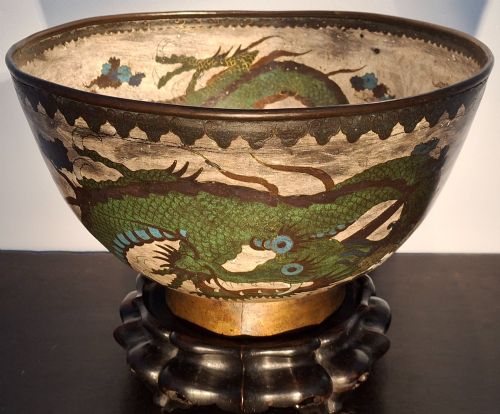
The pieces available here typically feature traditional motifs such as dragons, birds, shrimp, peonies, and tree bark. These forms demonstrate the sophisticated decorative vocabulary characteristic of the era.
Originating from the 1870s, 1880s, and 1890s, these items showcase the evolution of Japanese enamel work through various sizes and decorative charger plates.
How They Were Made
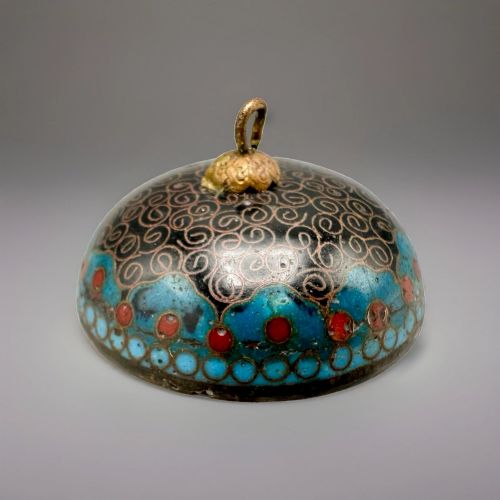
Craftsmen built these vessels using a base of copper, brass, or earthenware. Metal wire, including brass wire and cloisonne enamel, was applied to form detailed cellular compartments on the surface.
Coloured enamel pastes were meticulously packed into these wire cells before firing and polishing. Certain pieces also incorporate specialised techniques like Totai Shippo, where enamel is applied over a transparent or translucent base without a solid metal body.
Meiji Cloisonne Bowl Retail Price Guide 2026
Typical asking prices for meiji cloisonne bowl among the pieces listed under this phrase on Sellingantiques today, from the lower quarter to the upper quarter. They describe what is for sale here now, not the wider market.
Look closely for the remarkably detailed shrimp hiding among the enamel wires on certain nineteenth-century chargers.
What Varies in Quality
Quality in these vessels rests upon the precision of the wirework and the complexity of the enamelling. Pieces featuring signed signatures or elaborate imagery like dragons and naturalistic bird decoration often represent the higher end of the craft.
Scale and ambition also differentiate the works, ranging from standard decorative bowls to monumental chargers and jardinieres that demand advanced technical skill from the maker.
The Meiji Cloisonne Bowl Glossary
- Cloisonne
- An ancient metalworking technique where thin wires are soldered to a metal base to create compartments filled with enamel. This method produces intricate patterns defined by delicate metal lines.
- Charger
- A large decorative plate or dish intended for display rather than dining. These items provide a wide surface area for elaborate pictorial designs.
- Totai Shippo
- A variation of enamelwork often translated as wire-less or transparent cloisonne. It allows light to pass through parts of the vessel body.
Meiji Cloisonne Bowl: Frequently Asked Questions
How do I care for a cloisonne bowl?
Keep the vessel away from direct sunlight and extreme temperature changes to protect the delicate enamel surface. Clean it gently with a soft, dry cloth without using harsh chemical polishes.
Display the piece on a stable surface where it will not be knocked or dropped. Handle it with clean hands to avoid transferring natural oils onto the metal and enamel.
What motifs appear on these bowls?
Common decorative themes include fierce dragons, small and large birds, and intricate peony flowers. You may also find naturalistic textures such as tree bark and marine subjects like shrimp.
These subjects reflect traditional Japanese aesthetics and the high skill level of the artisans. Each motif is meticulously outlined in fine metal wire before being enamelled.
Are these bowls signed by makers?
Some pieces feature artist signatures, usually marked on the base or underside of the vessel. Signed works often indicate a higher level of workshop production and craftsmanship.
Unsigned pieces remain common and are judged purely on the quality of their design, wirework, and enamel preservation. Both signed and unsigned examples date from the same nineteenth-century periods.
What materials make up the body?
The foundational structures are primarily formed from copper, brass, or earthenware. Metal wire and cloisonne enamel are then applied to construct the decorated surface.
Some specialised forms utilise transparent bases or alternative body materials like earthenware. Brass wire outlines the compartments that hold the coloured enamels.