





Meiji Ceramic Decor
These pieces of meiji ceramic decor bring Japanese artistry into a room through hand-painted porcelain, earthenware, and intricate enamel work.
Meiji Ceramic Decor
When you search for meiji ceramic decor, you encounter traditional Japanese objects produced during the late nineteenth and early twentieth centuries. These items reflect the artistic styles of the Meiji period alongside Edwardian influences, capturing a specific era of international trade and craftsmanship.
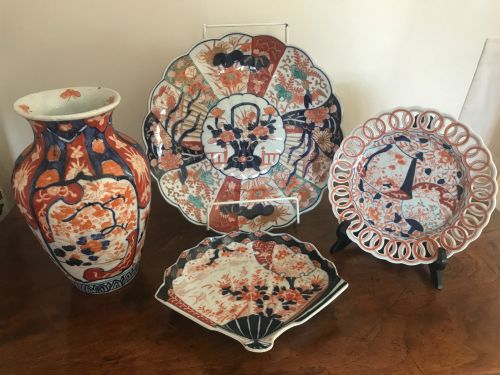
The selections on this page centre heavily on vessels and display pieces. Vases, chargers, decorative plates, and bowls dominate the inventory, accompanied by specific forms such as ashtrays and lidded jars.
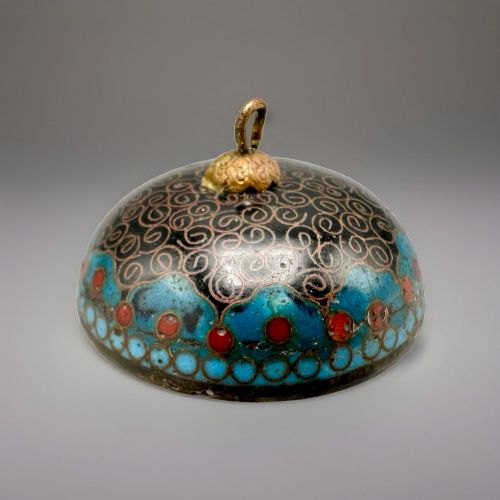
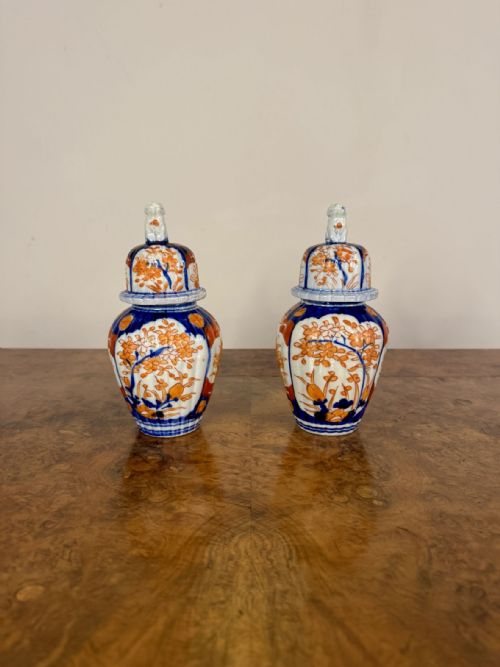
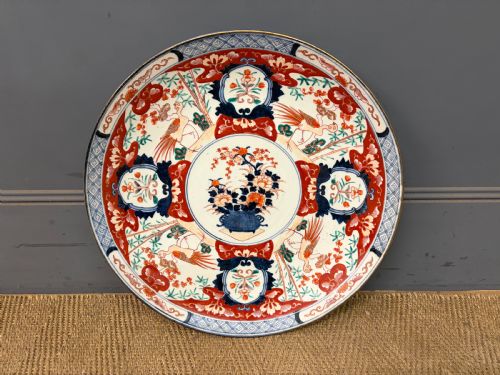
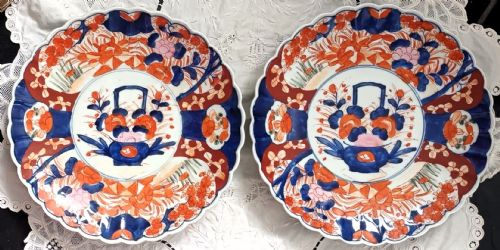
Japanese Imari and Satsuma ware form the majority of the objects you will encounter here. Alongside these, Kutani and cloisonne enamel pieces appear, showing the range of ceramic and decorative output from the period.
How they were made
Potters and artisans utilised porcelain and earthenware as the primary bases for these objects. Shaping took place by hand or wheel before firing, creating sturdy forms ready for intricate surface decoration.
Makers applied glaze, enamel, and gold leaf to the surfaces, often combining these materials with lacquer over black paint or cinnabar in specialised techniques like totai. Hand painting formed the core of the decorative process, depicting scenes of birds, gardens, and figures.
Meiji Ceramic Decor Retail Price Guide 2026
Typical asking prices for meiji ceramic decor among the pieces listed under this phrase on Sellingantiques today, from the lower quarter to the upper quarter. They describe what is for sale here now, not the wider market.
Listings feature items from the late nineteenth century, including the Meiji period and Edwardian era.
What varies in quality
The precision and detail of the hand painting dictate the upper tier of these pieces. Fine brushwork on motifs such as chrysanthemums, wisteria, and figures distinguishes superior examples from standard production.
The complexity of the form and the integration of materials influence the standing of an object. Pieces featuring moriage relief work, gold leaf accents, or complex hexagonal and shell shapes demonstrate higher craftsmanship than plain vessels.
Hakusan·Chikusai·Hododa
The Meiji Ceramic Decor Glossary
- Imari
- A style of Japanese porcelain decorated in underglaze blue and overglaze red, gold, and other colours. This palette creates a rich, patterned appearance on plates and vases.
- Satsuma ware
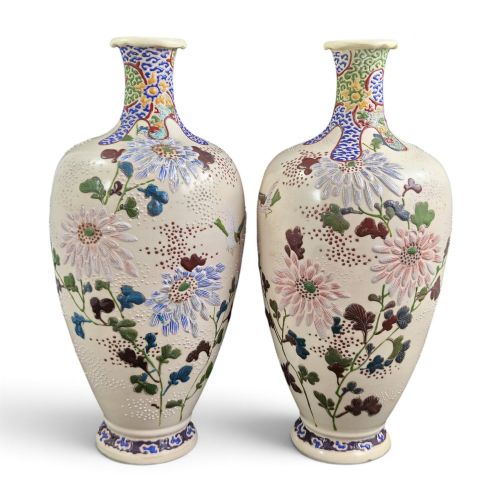
- A type of Japanese earthenware featuring a ivory-coloured, crackle glaze. It is typically decorated with elaborate polychrome enamels and gilding.
- Kutani
- A style of Japanese coloured porcelain and pottery known for bold designs and vibrant palettes. Green, blue, yellow, purple, and red frequently dominate the decoration.
- Moriage
- A decorative ceramic technique using slip to build raised patterns and dots on the surface. This creates a tactile, textured finish often seen on Satsuma vases.
- Charger
- A large decorative plate intended for display rather than dining. These pieces often feature central pictorial motifs and detailed border patterns.
Meiji Ceramic Decor: Frequently Asked Questions
What is meiji ceramic decor?
Meiji ceramic decor encompasses pottery and porcelain items produced in Japan during the Meiji period and surrounding transitional years. These include decorative plates, vases, and bowls created for both domestic use and export.
Such objects showcase traditional Japanese artistic motifs executed in materials like porcelain, earthenware, and enamel. They reflect a period of significant opening in Japanese international trade.
How do I identify Satsuma ware?
Satsuma ware is recognised by its distinctive ivory-coloured earthenware body covered in a fine network of crackle glaze. Artisans painted these surfaces with intricate enamel scenes and heavy gilding.
You will often find detailed figures, landscapes, or floral patterns rendered in rich polychrome colours. The use of raised moriage decoration is also common on Satsuma pieces.
How were these decorative pieces used?
Many of these ceramic and enamel items served as ornamental display pieces within homes. Large chargers were hung on walls or placed on stands, while vases held floral arrangements or stood empty as focal points.
Smaller dishes and bowls functioned as decorative tableware or receptacles for small personal items. Their intricate designs were intended to be admired visually rather than used heavily.
How do I care for antique Japanese ceramics?
Antique ceramics and enamel pieces require gentle handling to preserve their delicate glazes and gilding. Dust them softly with a dry cloth and avoid harsh chemical cleaners.
Keep these items out of direct sunlight to prevent the fading of enamel colours and gold leaf. Display them on stable surfaces away from high traffic areas.