



Meiji Bronze Ornament
A meiji bronze ornament brings the meticulous foundry work of nineteenth-century Japan straight into a modern interior.
Meiji Bronze Ornament
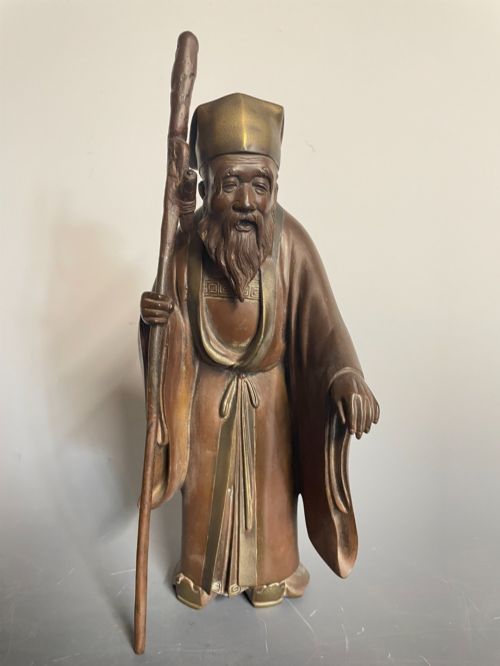
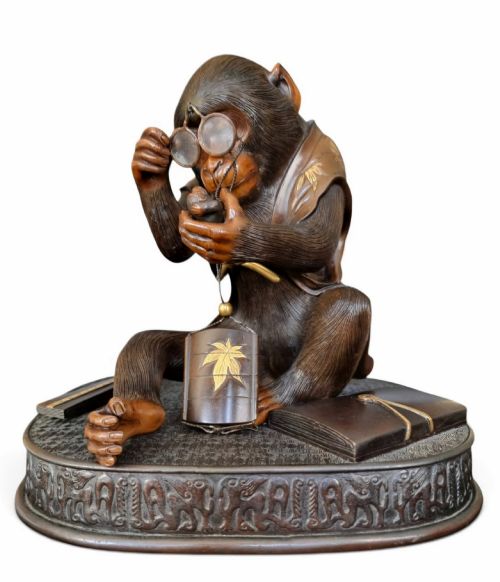
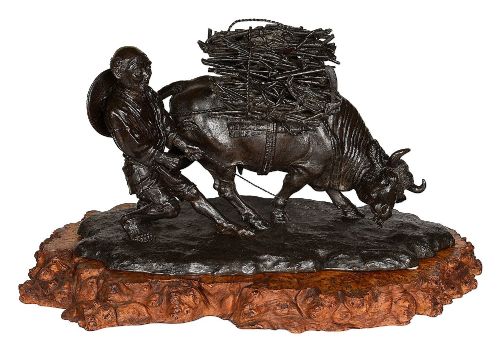
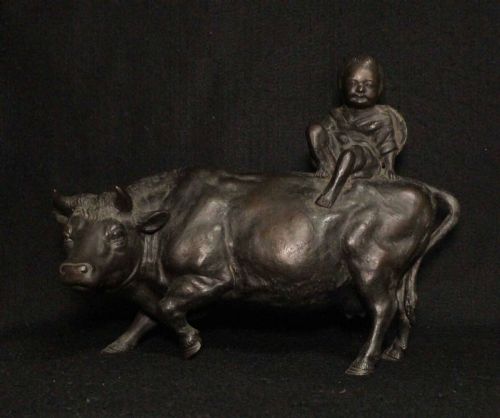
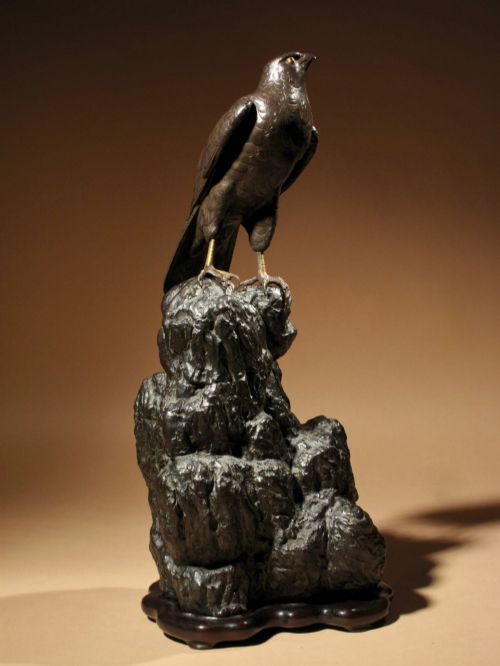
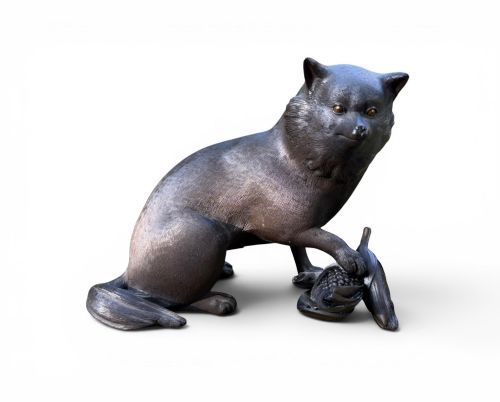
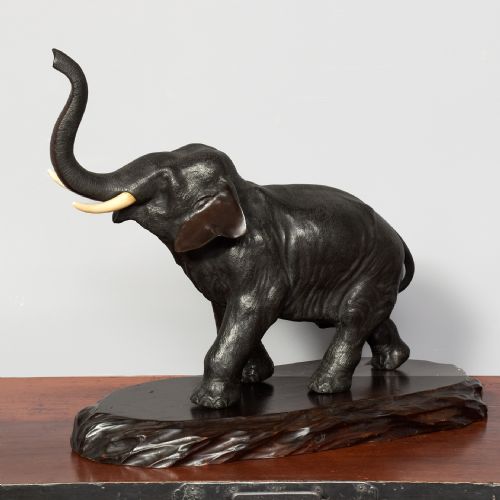
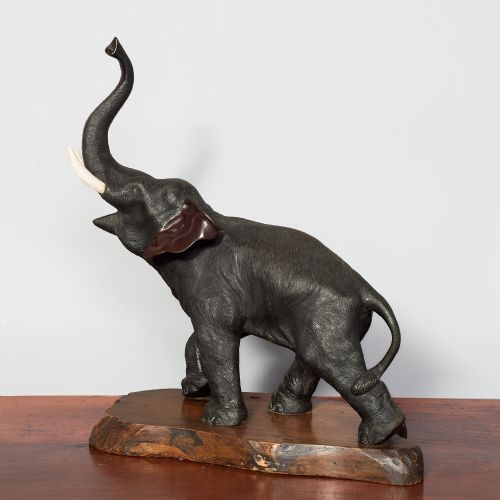
A meiji bronze ornament comprises figural sculptures, okimono, and vases produced during the Meiji period, spanning the late nineteenth and early twentieth centuries. These works frequently depict natural subjects, including elephants, birds, monkeys, and botanical elements, shaped through traditional Japanese metalworking.
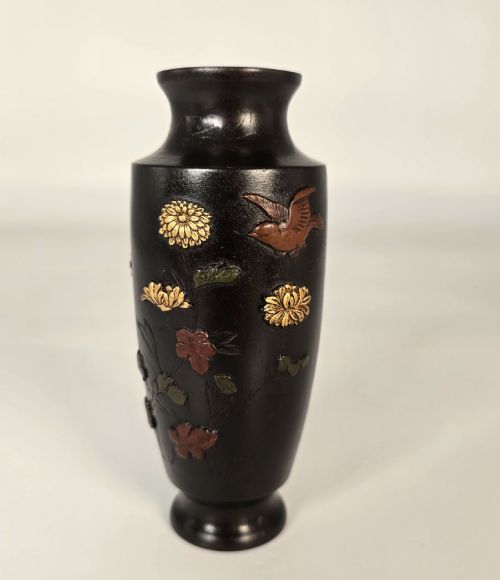
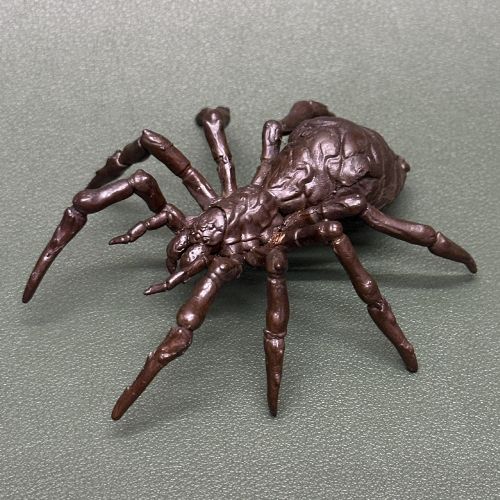
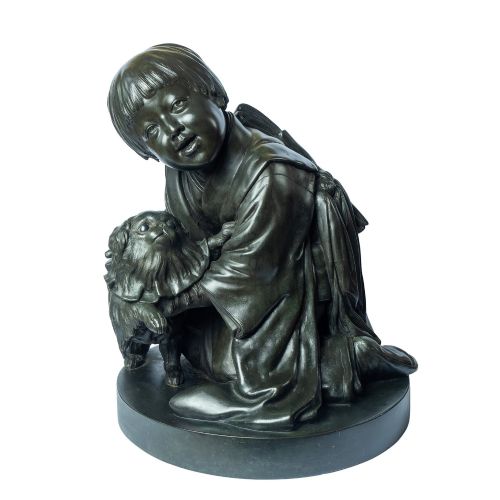
The objects appearing on this page range from small tabletop okimono depicting spiders or puppies to large garden figures of geese and dragons. Vases and mixed-metal vessels also recur, often incorporating decorative elements like wood or stone bases.
Originating predominantly from Japanese workshops, these pieces reflect the distinct aesthetic priorities of the Meiji era. Collectors encounter both intimate studies of animals and grander scale works designed for display.
Materials and Technique
Artisans utilised bronze as the primary medium, frequently enhancing surfaces through patination to achieve deep, varied tones. Mixed-metal techniques combined copper and other alloys alongside gold inlay to accentuate specific details on subjects like vases and okimono.
Certain sculptures incorporate organic materials such as ivory for tusks or integrate wooden elements and naturalistic stone bases. These additions complement the cast metal body, demonstrating the multi-material expertise of the period's metalworkers.
Listings incorporate items from the nineteenth century, Victorian era, and early twentieth century, spanning bronze, copper, ivory, and mixed-metal materials.
Measures of Quality
Quality in a meiji bronze ornament rests upon the fidelity of the casting and the precision of the surface chiselling. Superior examples display life-like movement and anatomical accuracy, particularly in complex animal subjects involving multiple figures.
The subtlety of the patination and the clean integration of mixed-metal highlights or gold inlay distinguish finer works from standard production pieces. Master craftsmanship is further evidenced by signed works associated with notable workshops and metalworkers.
Jomi Eisuke·Masaaki·Kaniya Kuniharu·Haruyama Shunzan·Unno Shomin
The Meiji Bronze Ornament Glossary
- Okimono
- A standalone Japanese display piece intended for placement in an alcove or on a cabinet. These decorative objects typically portray animals, figures, or scenes from nature.
- Patinated Bronze
- Bronze that has been chemically treated to alter its surface colour and tone. This process deepens the visual texture of the metal.
- Mixed Metal
- An alloy combination or the assemblage of distinct metals within a single piece. Artisans used this method to create contrasting colour effects.
- Shakudo
- A Japanese billon of copper and gold treated to achieve a dark purple-black patination. It appears frequently in decorative highlights.
Meiji Bronze Ornament: Frequently Asked Questions
How should I clean a bronze ornament?
Bronze requires minimal intervention to preserve its original patination. Dust the surface gently with a soft, dry cloth.
Avoid liquid cleaners, polishes, or abrasive cloths, which can strip away historic patination and damage the metal.
What subjects are most common?
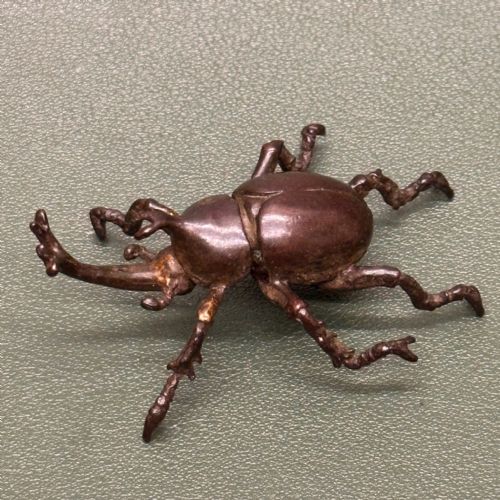
Animal studies dominate this category, featuring elephants, monkeys, birds, and insects like rhinoceros beetles. Figures and traditional vases also appear frequently.
These subjects reflect a deep nineteenth-century artistic interest in naturalism and observational detail.
Are these pieces signed?
Certain pieces bear artist signatures or workshop marks cast directly into the metal or applied via a plaque. These signatures often indicate production by master metalworkers.
Unsigned pieces remain common and were produced to similar high standards during the period.