



Meiji Bronze Dish
A meiji bronze dish brings Japanese craftsmanship into your home, offering intricate metalwork and traditional motifs.
Meiji Bronze Dish
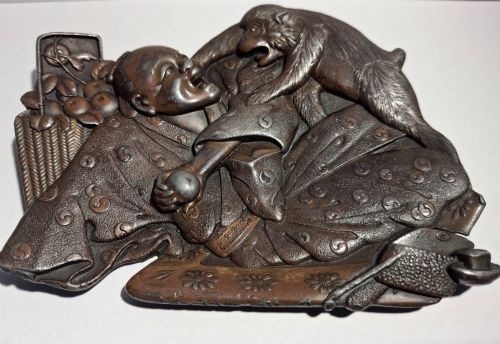
When you search for a meiji bronze dish, you encounter decorative chargers, plates, trays, and trinket dishes originating from late nineteenth-century Japan. These pieces reflect the artistic shifts of the Meiji period, spanning decades from the eighteen-sixties onward.
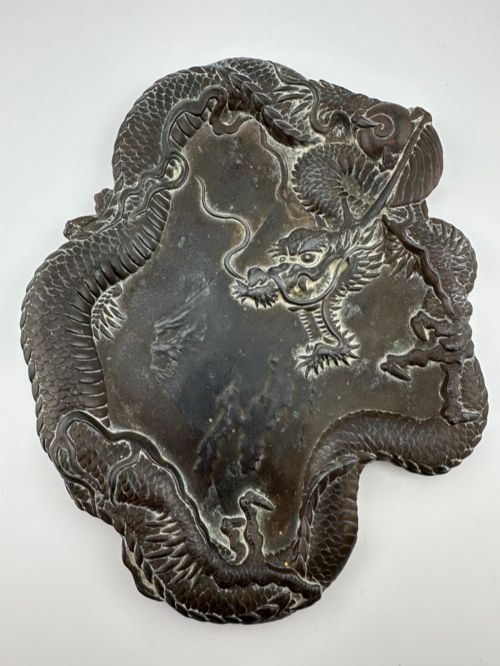
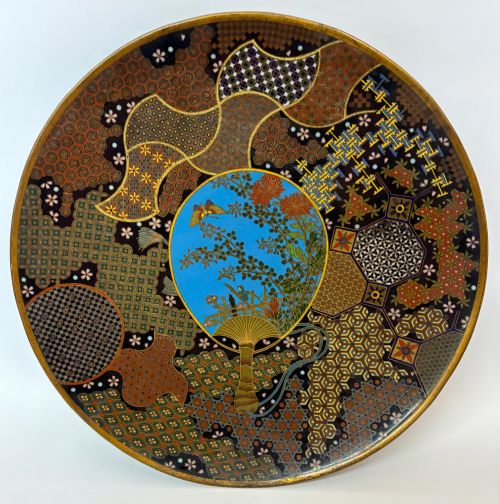
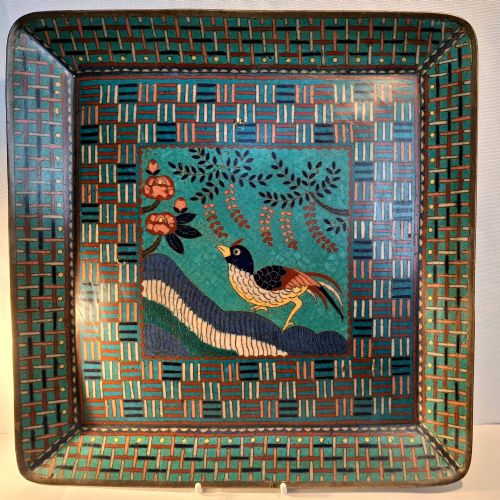
You are most likely to meet circular chargers and dishes decorated with dragons, birds, geese, and flowers. The forms range from small trinket dishes to large decorative chargers measuring over thirty centimetres across.
The objects combine traditional metalworking techniques with decorative enamel and mixed-metal inlay. Victorian-era imports brought these ornate Japanese items into British homes, where they remain collected for their detailed surface work.
Materials and technique
Artisans utilised bronze, brass, and copper as the primary metallic bases for these vessels. Patinated surfaces provide deep brown or dark tones, whilst mixed-metal details incorporate silver and gold highlights.
Cloisonne enamel work appears frequently, using fine wire to partition coloured enamel pastes across the metal surface. Takazōgan appliqué techniques add raised metallic elements, creating textured scenes of dragons and natural motifs.
Meiji Bronze Dish Retail Price Guide 2026
Typical asking prices for meiji bronze dish among the pieces listed under this phrase on Sellingantiques today, from the lower quarter to the upper quarter. They describe what is for sale here now, not the wider market.
Listings feature items dated across the late nineteenth century, including specific years like eighteen seventy, eighteen ninety, and nineteen hundred.
Assessing quality
The refinement of the surface decoration determines the standing of a piece within the range. Finely worked wirework in cloisonne and crisp detailing in patinated bronze indicate superior workshop output.
Signatures by recognised makers or studios elevate specific chargers and dishes. The complexity of mixed-metal inlay, such as multi-metal applied dragons, separates standard decorative items from masterwork examples.
Kinkozan
The Meiji Bronze Dish Glossary
- Meiji Period
- The era in Japanese history lasting from eighteen sixty-eight to nineteen twelve, characterised by opening trade with the West and high artistic output in metalwork.
- Cloisonne
- An enamelling technique where thin metal wires are soldered to a base to form cells, which are then filled with coloured glass paste and fired.
- Patinated Bronze
- Bronze metal treated with chemical solutions to produce an aged or coloured surface finish, ranging from warm browns to deep blacks.
- Takazōgan
- A Japanese metalworking technique involving high-relief appliqué inlay, where decorative motifs stand proud from the background metal.
- Totai Shippo
- A method of cloisonne enamel applied directly over a porcelain body rather than a traditional metal base.
Meiji Bronze Dish: Frequently Asked Questions
What is a meiji bronze dish used for?
These pieces function primarily as decorative art objects, chargers, and display trays rather than practical tableware. Victorian households prized them for cabinet display or table centrepieces.
Today, collectors use them to showcase nineteenth-century Japanese metalwork and cloisonne techniques on walls, stands, or flat surfaces.
How do I date a meiji bronze dish?
Dating relies on stylistic markers, manufacturing techniques, and historical context from the late nineteenth century. Pieces often correspond to the Meiji period spanning eighteen sixty-eight to nineteen twelve.
Signatures, distinct wiring styles in cloisonne, and specific patination methods help narrow the decade of production within the Victorian era.
Are these dishes signed by makers?
Certain pieces feature artist signatures or workshop marks embedded into the base or enamel surface. These signatures indicate the producing kiln or metalworker.
Unsigned dishes remain common, reflecting the large volume of export ware produced during the late nineteenth century for international markets.
How should I clean a bronze dish?
Maintenance requires gentle dusting with a soft, dry cloth to protect the delicate patinated surfaces and enamel details. Avoid harsh chemical cleaners or abrasive polishes that strip the antique finish.
Preserving the original patina ensures the metalwork and applied wire elements retain their historical character and visual depth.