



Meiji Bronze Animal
These meiji bronze animal figures bring lively realism into a room through masterful metalwork and detail.
Meiji Bronze Animal
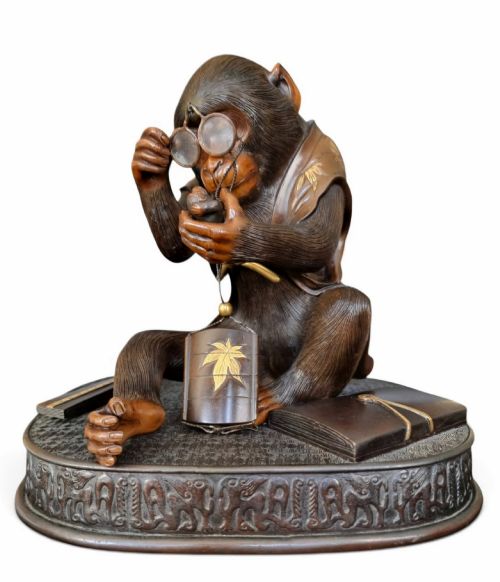
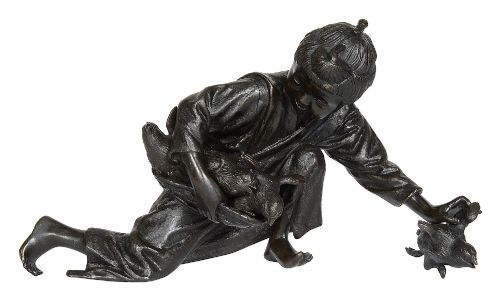
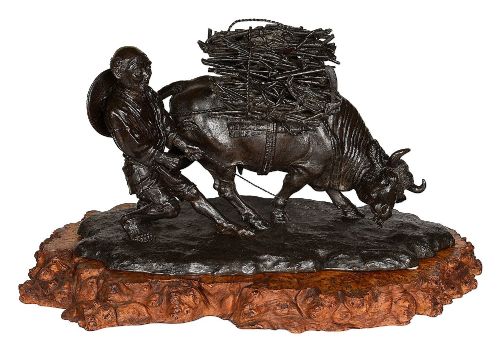
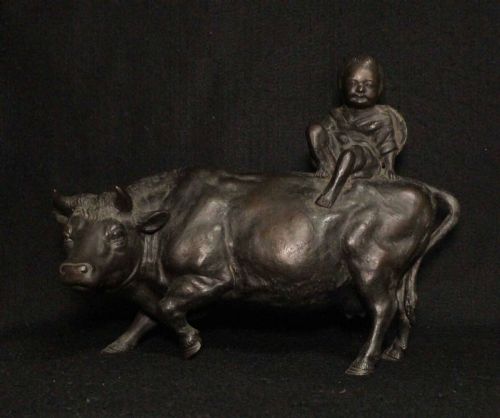
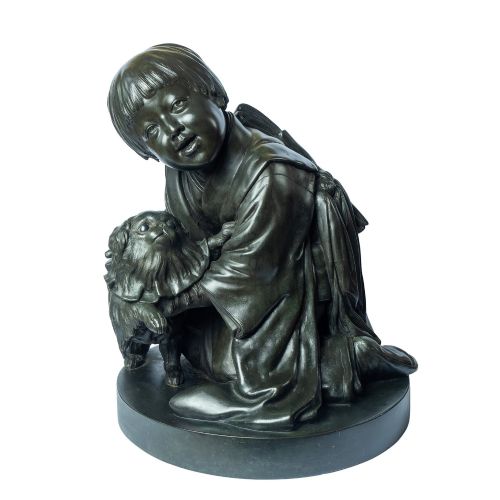
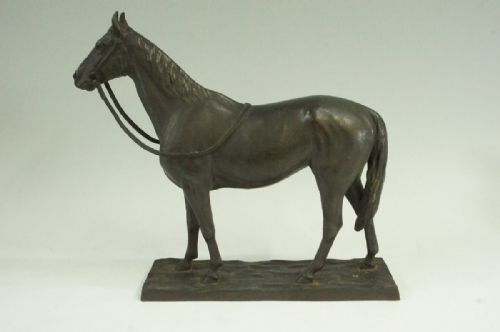
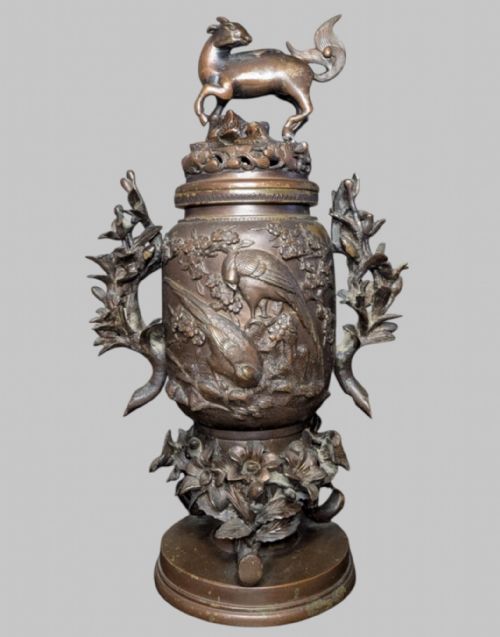
When you search for meiji bronze animal, you encounter sculptures, okimono, and incense burners depicting creatures from elephants and tigers to monkeys and birds. These works stem from the Meiji period and the nineteenth century, reflecting intense observation of nature.
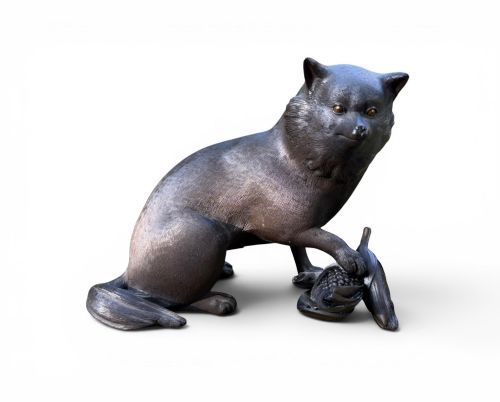
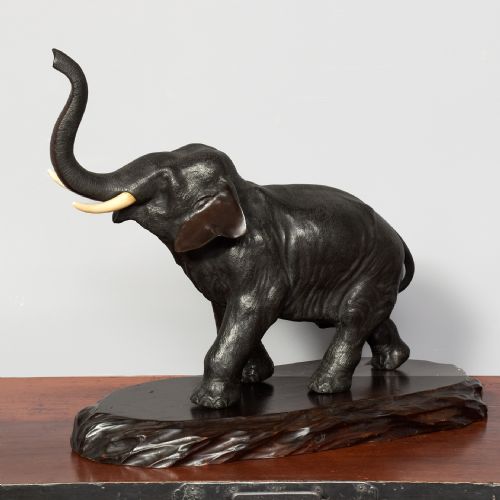
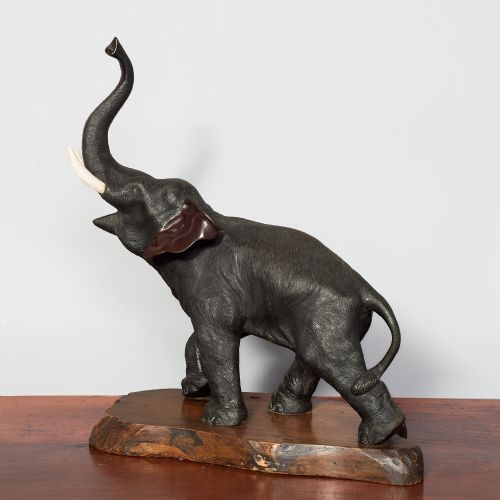
You are most likely to meet subjects like elephants, tigers, monkeys, and dogs cast in bronze, sometimes paired with ivory tusks, bone, or gold inlay. Many pieces stand on naturalistic bases or serve as okimono for display on tabletops.
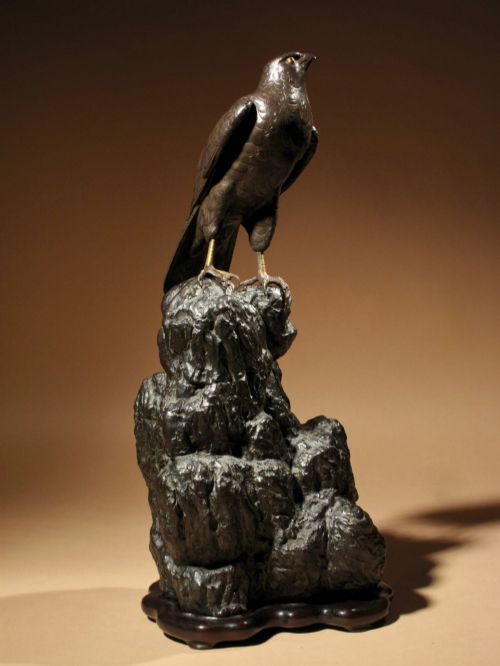
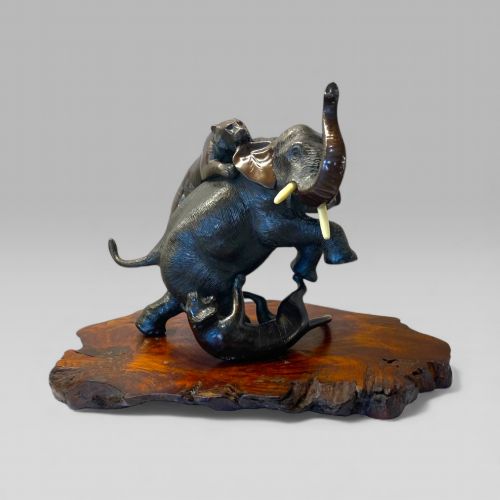
The selection extends from single figures of a hawk on a rock or a rat clutching a chestnut to complex dramatic groups of an elephant fighting tigers. Occasional variations include hardwood tabletops set with bronze animal decoration.
Materials and Techniques
Craftsmen utilised bronze as the primary medium, often combining it with mixed metals, copper, and gold inlay to achieve varied surface tones and textures. These metallic elements capture the pelt, feathers, or hide of each creature with striking fidelity.
Selected works incorporate organic additions such as ivory tusks, bone, or diamond eyes set within the bronze casting. Foundries like those in Tokyo executed these detailed sculptures and okimono using traditional lost-wax casting methods.
Foundry work ranged from independent studio output to larger Tokyo foundry productions, sometimes mounted on naturalistic wooden or rocky bases.
Listings feature nineteenth-century and early twentieth-century periods, utilising bronze, hardwood, bone, ivory, gold inlay, and copper across sculptural forms.
Factors of Distinction
Quality rests upon the animation and anatomical precision of the creature, distinguishing a lifelike study from a rigid casting. Dynamic tension in subjects like fighting tigers or a crouching lion demonstrates superior sculptural ambition.
The subtlety of mixed-metal patination and the clean integration of inlay elements separate standard production from masterworks by named makers. Crisp chasing on fur, feathers, and facial expressions determines the ultimate presence of the piece.
MASAAKI·Kunio Itô·Tsunemitsu 常光·Kaniya Kuniharu·Tokyo Foundry·Sakai Kōzan·Seiunsai Miyamoto Sei·Genryusai Seiya
The Meiji Bronze Animal Glossary
- Okimono
- A Japanese ornamental object for display, typically placed in an alcove or on a tabletop. These freestanding sculptures portray animals, figures, or subjects from nature.
- Koro
- A traditional Japanese incense burner, often featuring an animal finial on the lid. They combine functional burning compartments with sculptural cast covers.
- Bronze
- An alloy primarily of copper combined with tin, yielding a durable metal suited to patination. It forms the structural base for the majority of these Meiji period sculptures.
- Mixed-Metal
- The combination of different metallic alloys within a single object, such as bronze, copper, and gold inlay. This technique creates contrasting surface colours and highlights.
- Animalier
- A nineteenth-century artistic classification dedicated to the realistic portrayal of animals. Specialists in this field focused intensely on anatomical movement and behaviour.
Meiji Bronze Animal: Frequently Asked Questions
How were these bronzes used?
They served primarily as decorative table sculptures and okimono intended to bring elements of the natural world indoors.
Some specialised forms, such as koro, functioned as incense burners with animal finials atop their lids.
How do I identify a Meiji period piece?
Look for characteristic nineteenth-century casting techniques, mixed-metal patination, and distinct sculptural subject matter rooted in Japanese artistry.
Many works bear artist signatures or foundry marks stamped or engraved into the bronze surface.
Why do some animals have ivory parts?
Selected Meiji bronzes incorporate materials like ivory for tusks or bone for added realism and textural contrast.
These integrated components complement the patinated bronze hide on larger subjects like elephants.