
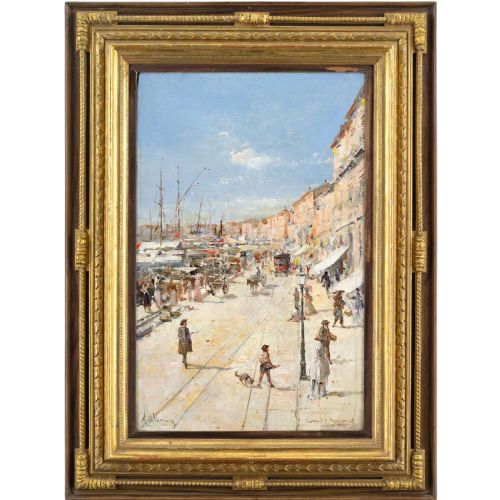
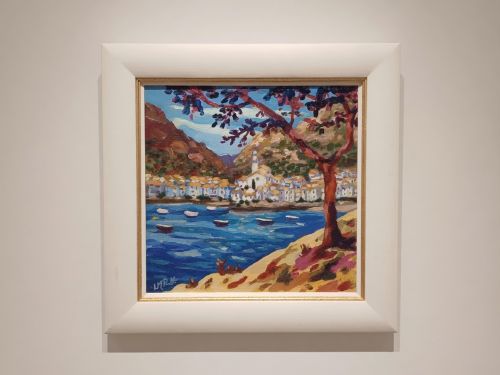
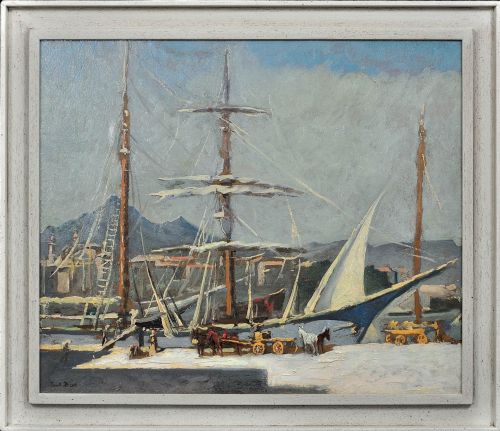


Mediterranean Landscape Art
These mediterranean landscape art pieces capture sun-drenched coasts and southern light through paintings that bring warmth to any room.
Mediterranean Landscape Art
When buyers search for mediterranean landscape art, they encounter framed oil paintings, watercolours and gouache works depicting southern scenes. The most common versions on this page are oil paintings on canvas or board capturing coastal views, harbours and olive groves in France, Italy and Spain.
The selections span from the nineteenth century through the mid-twentieth century, featuring styles such as post-impressionism, fauvism and mid-century modernism. Subjects range from busy Sicilian ports and Corsican farmhouses to quiet corners of the Côte d'Azur and Provence.
Works appear in various formats including traditional framed canvases, panels and works on paper. These paintings reflect the enduring appeal of southern light, coastal architecture and Mediterranean vegetation.
How They Were Made
Artists painted primarily in oil on canvas, wood panels or paper, using brushwork that varied from precise academic realism to loose, vibrant post-impressionist strokes. Some pieces incorporate textured applications of paint or mixed media on board.
Supports frequently consist of stretched canvas, wooden panels and heavy paper or card. Frames often feature gilded wood or simple periods styles suited to the painting's origin.
Materials recorded across the archive include canvas, gilded wood, glass, paper and wooden panels.
What Varies in Quality
The strength of the composition and the handling of southern light distinguish exceptional works from simpler decorative pieces. Stronger paintings convey the atmosphere of the region through confident brushwork and a coherent palette.
The degree to which an artist captures movement in water, shadow on old stone or the specific heat of a southern day determines the artistic merit of each painting. Condition of the canvas, paint layers and original framing also influence the overall character of the piece.
Augusto Alberici·Paul Bret·Erich Mercker·Gustave Vidal·Jean-Baptiste Olive·Norman Lloyd·Cecil Rochfort D'Oyly-John·Charles Malfroy·Hendrik Willebrord Jansen·Edith E Caswall·Augustus William Enness·J.D. Walker·John William Gilroy·Olga Ceretti Borsini
The Mediterranean Landscape Art Glossary
- Post-Impressionism
- An art movement developing roughly from the late nineteenth century that extended impressionism while rejecting its limitations. Artists focused on heavier symbolic colours and distinct brushstrokes.
- Fauvism
- A style associated with early twentieth-century painters who emphasised painterly qualities and strong colour over the representational values of impressionism. Works in this style use bold, non-naturalistic palettes.
- Gouache
- An opaque water-based paint that dries to a matte finish. It provides rich colour density on paper supports.
- Capriccio
- An architectural fantasy placing together buildings, archaeological ruins and other architectural elements in a fictional architectural composition. These works often depict Italian settings.
- Colourist
- An artist whose work is characterised by a primary emphasis on the expressive and structural qualities of colour. These painters often use vibrant hues to convey light and heat.
Mediterranean Landscape Art: Frequently Asked Questions
What subjects appear most often in these paintings?
These works primarily depict coastal scenes, harbours, southern streets, olive groves and rural farmhouses across Italy, France and Spain.
Views of the Côte d'Azur, Provence, Sicily and Corsica recur frequently across the different periods represented.
How do I date a mediterranean landscape painting?
Dating relies on stylistic clues, framing materials and recorded signatures or biographical dates of the artists. Post-impressionist and fauve techniques typically point toward the early to mid-twentieth century.
Changes in canvas preparation and stretcher construction also help establish the approximate decade of creation.
Where were these southern landscapes typically displayed?
Collectors originally hung these paintings in domestic interiors to evoke the warmth and colour of southern European holidays and residences.
They function today as colourful focal points in living rooms, studies and hallways.
Are watercolours as common as oil paintings here?
Oil paintings on canvas and board form the majority of the selections, reflecting the preference of plein-air artists working in southern light.
Watercolours and gouache works on paper appear less frequently but offer delicate alternative views of coastal regions.