

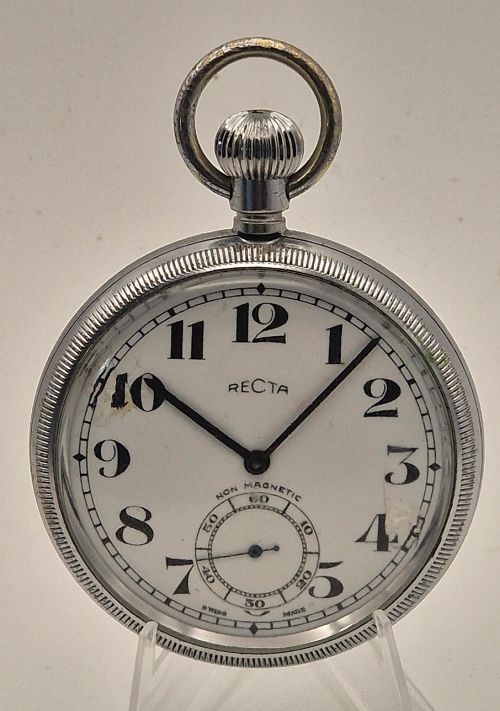
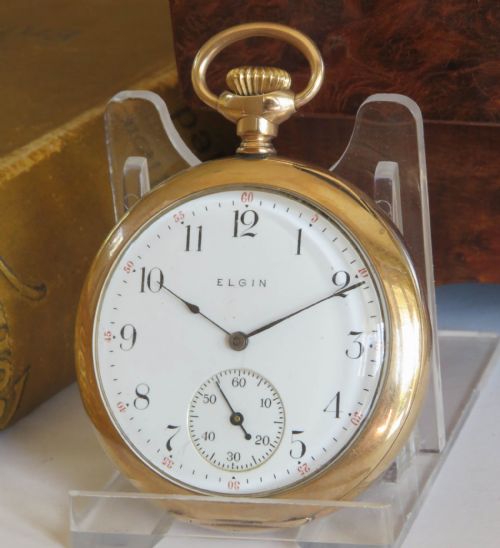
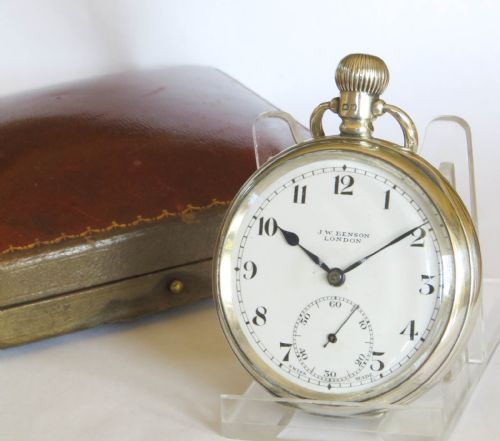
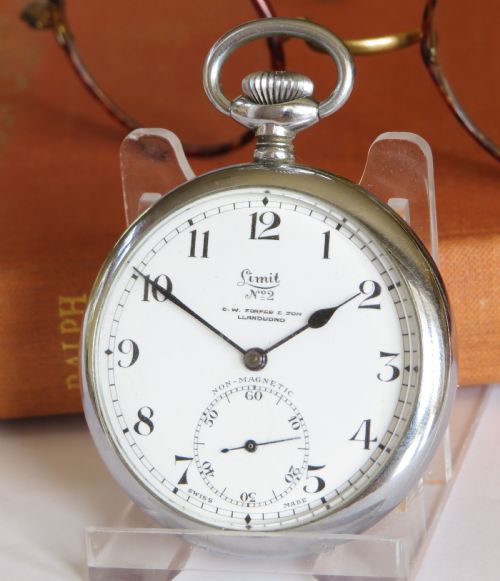
Mechanical Stem Wind Watch
A mechanical stem wind watch brings everyday pocket timekeeping from the Victorian, Edwardian, and mid-century eras directly to your waistcoat.
Mechanical Stem Wind Watch
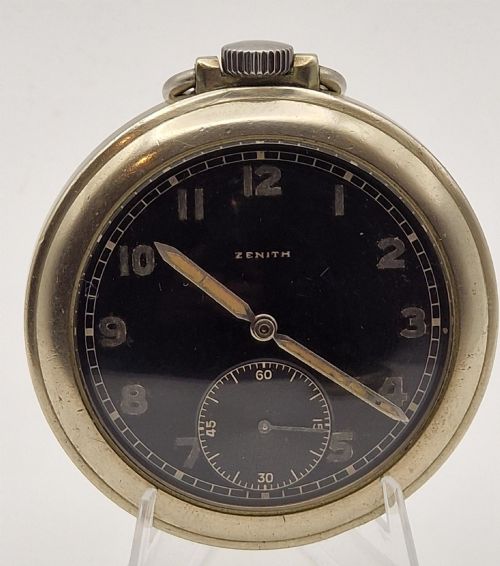
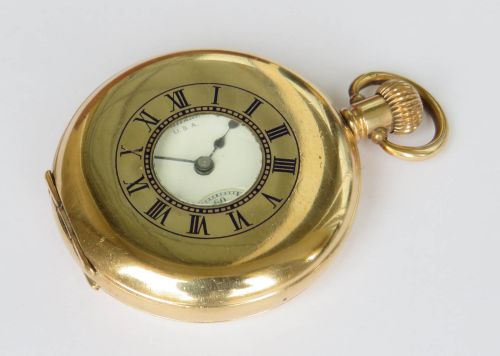
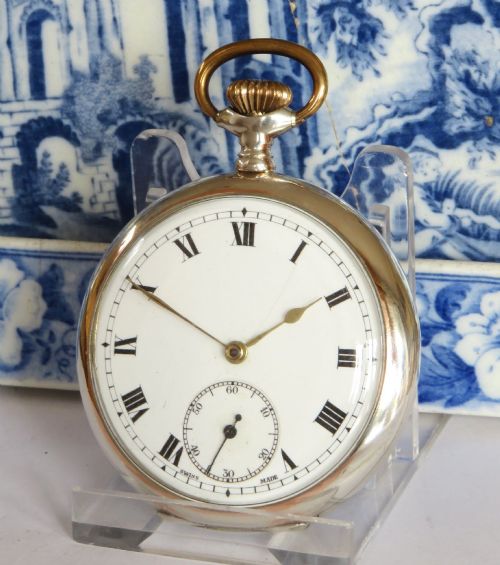
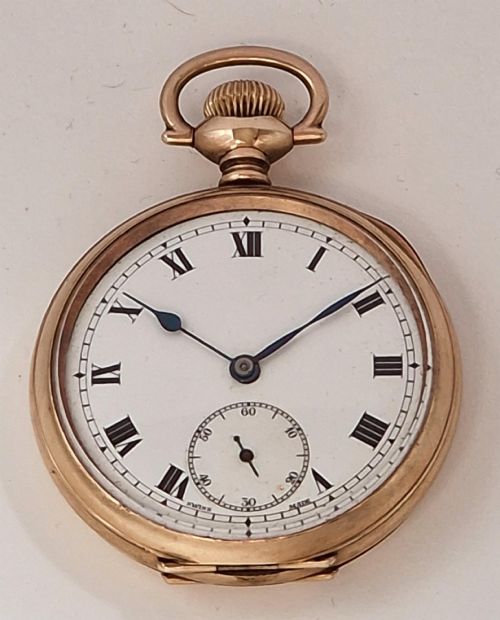
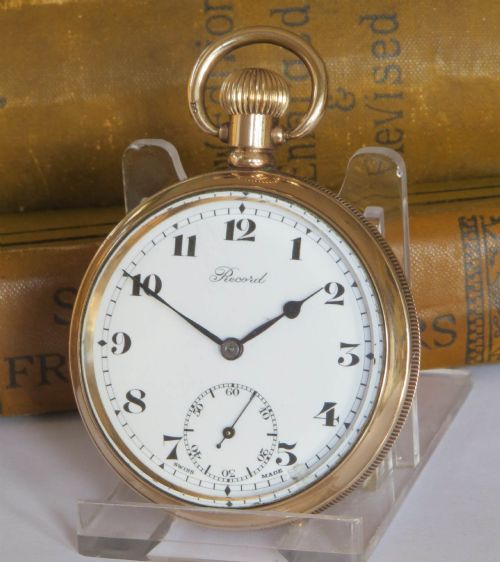
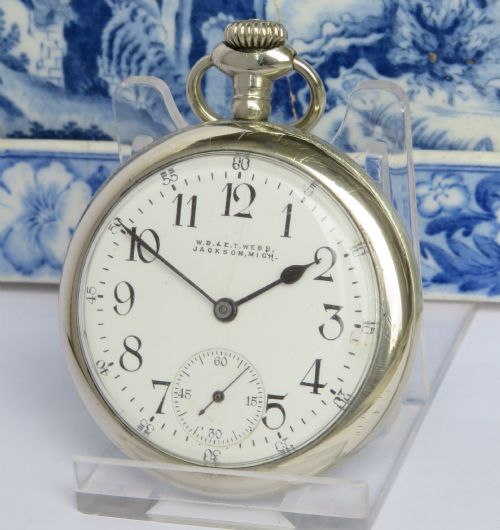
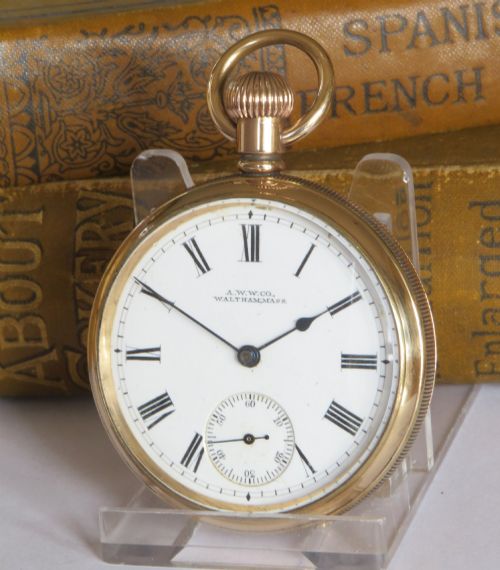
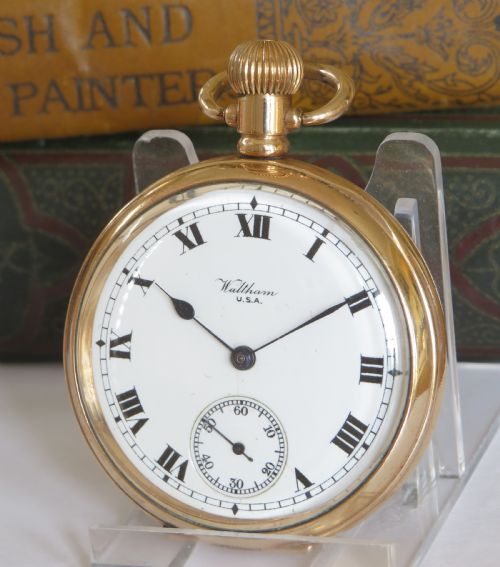
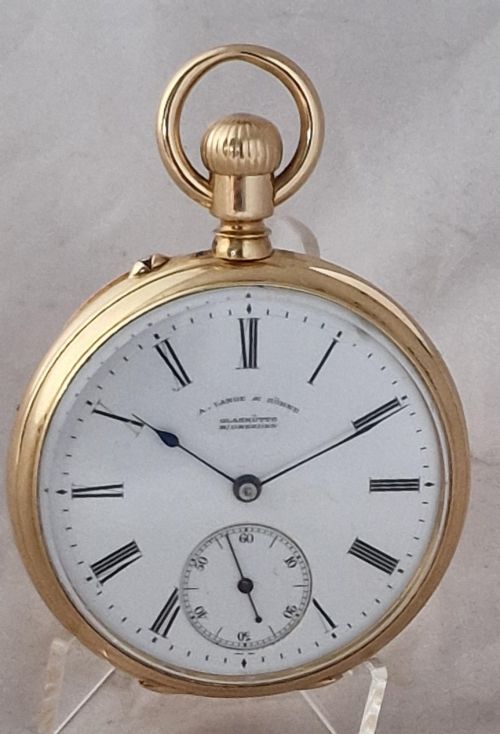
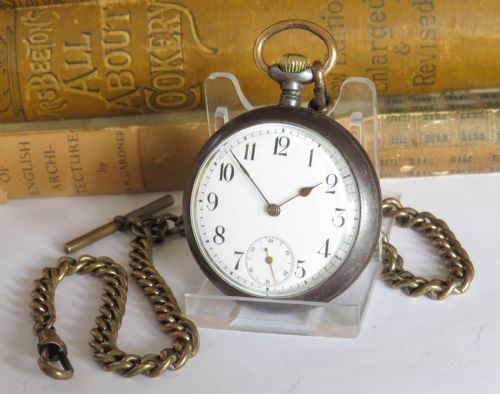
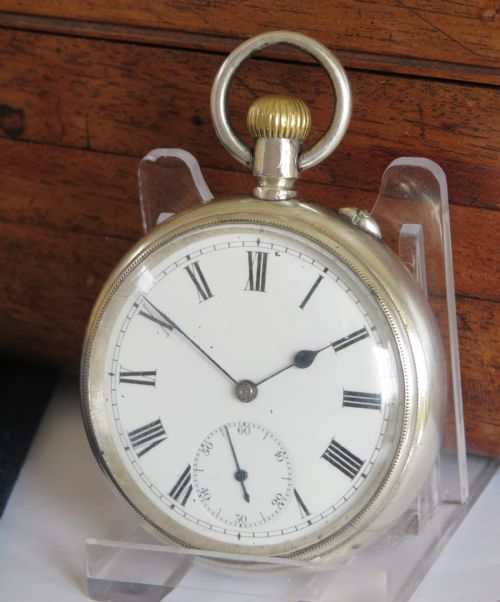
A mechanical stem wind watch is a portable timepiece powered by a mainspring wound through the crown rather than a separate key. These pocket watches appear frequently in silver, gold plate, and nickel housings, spanning periods from late Victorian and Edwardian decades through the 1920s, 1930s, and 1950s. You will encounter open faced formats alongside half hunter and full hunter designs equipped with protective metal covers.
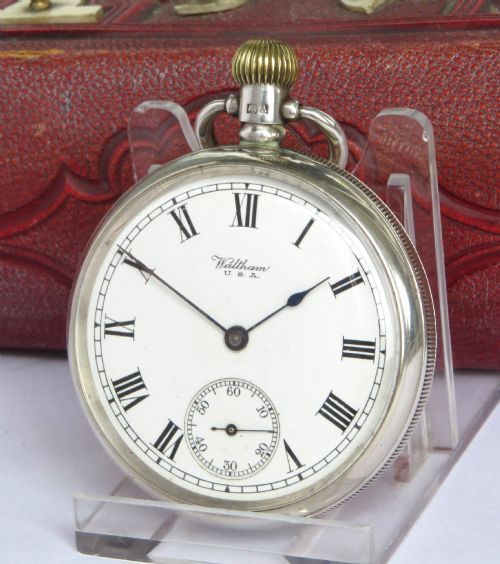
Many examples hail from railway contexts or notable makers, reflecting precise timing needs of the early 20th century. Styles range from strict Victorian utility to Art Deco geometry and mid-century minimalism. Most pieces retain their original dial layouts, featuring Arabic or Roman numerals paired with subsidiary seconds dials.
Materials and construction
Makers utilised durable metals like sterling silver, nickel, brass, and gold plate to construct sturdy outer cases designed for daily pocket wear. Enamel provides the smooth, crisp surface for the dial faces, while glass protects the delicate hands and numerals underneath. Steel internal components make up the gear trains and escapements that regulate the mechanical movement.
Cases often incorporate hinged backs and bezels, sealing the inner dust covers to protect the movement from debris. Dials were typically fired white enamel with painted or baked numerals, secured by tiny screws and feet to the brass movement plates.
Mechanical Stem Wind Watch Retail Price Guide 2026
Typical asking prices for mechanical stem wind watch among the pieces listed under this phrase on Sellingantiques today, from the lower quarter to the upper quarter. They describe what is for sale here now, not the wider market.
The selection includes specialised railway timepieces alongside standard open faced and half hunter models from Swiss and American workshops.
The spectrum of quality
The grade of a mechanical stem wind watch rests largely on the sophistication of its movement and the finish of its case. Higher tier examples contain jewelled lever escapements by established makers, ensuring greater longevity and precision than basic pin pallet mechanisms.
Case execution also marks the divide, with solid sterling silver or gold housings showing crisper hallmarks, tighter hinge tolerances, and finer engine-turned engraving than standard nickel or plated counterparts. Dials free from hairline fractures and chips represent superior preservation in the surviving pool.
J W Benson·Guinand·Waltham·Omega·Cyma·Lange & Sohne·Minerva·Stauffer·Octo·Record·Elgin·Doxa·Hamilton·Tavannes
The Mechanical Stem Wind Watch Glossary
- Stem wind
- A winding mechanism operated via the crown at the top of the case rather than an external key. This system revolutionised pocket watch design in the late 19th century.
- Half hunter
- A pocket watch case featuring a solid metal outer cover with a central glass window. This allows the wearer to read the hands without opening the front lid.
- Full hunter
- A pocket watch outfitted with a spring-loaded solid metal front cover that completely conceals the dial until opened by pressing the crown button.
- Open faced
- A watch style lacking any protective front cover, exposing the glass crystal and dial directly to the user upon retrieval.
- Subsidiary seconds
- A small dial separate from the main hour and minute hands that tracks the passing seconds. It usually sits at the bottom centre of the watch face.
Mechanical Stem Wind Watch: Frequently Asked Questions
How do I wind a stem wind watch?
Turn the crown at the top of the watch clockwise between your thumb and forefinger until you feel firm resistance. Stop winding immediately once resistance builds to avoid snapping the internal mainspring.
Set the time by pulling the crown outward or pressing a tiny pin set into the case edge, depending on the movement design.
Can I carry a pocket watch every day?
Yes, many people wear these watches daily by securing them with a matching chain hooked into a waistcoat buttonhole or trouser pocket. Ensure the piece is kept in a clean pocket free of loose coins or keys that might scratch the metal case.
Regular servicing by a horologist keeps the mechanical gears running smoothly through continuous use.
What is a railway pocket watch?
Railway pocket watches were built to meet strict timekeeping standards required by railway companies for safe train scheduling. They feature high grade movements and clear, highly legible dials for rapid reading in low light.
Names like Waltham and Elgin frequently supplied these robust utilitarian timepieces.
How do I date an antique pocket watch?
Examine the hallmarks stamped inside the precious metal case backs for assay office symbols and date letters. Movement serial numbers can also be cross-referenced against maker production records to pinpoint the manufacturing year.