






Mechanical Music Box
These mechanical music box pieces bring movement, tone, and intricate craft into a room, spanning Swiss cylinders, disc players, and singing bird automata.
Mechanical Music Box
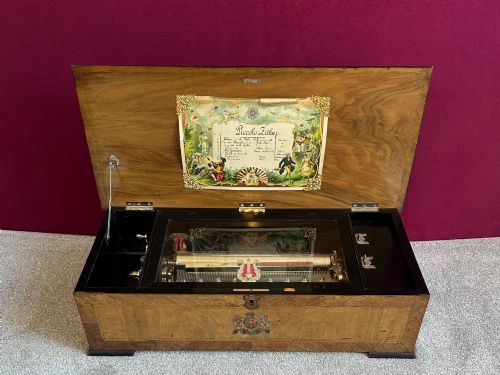
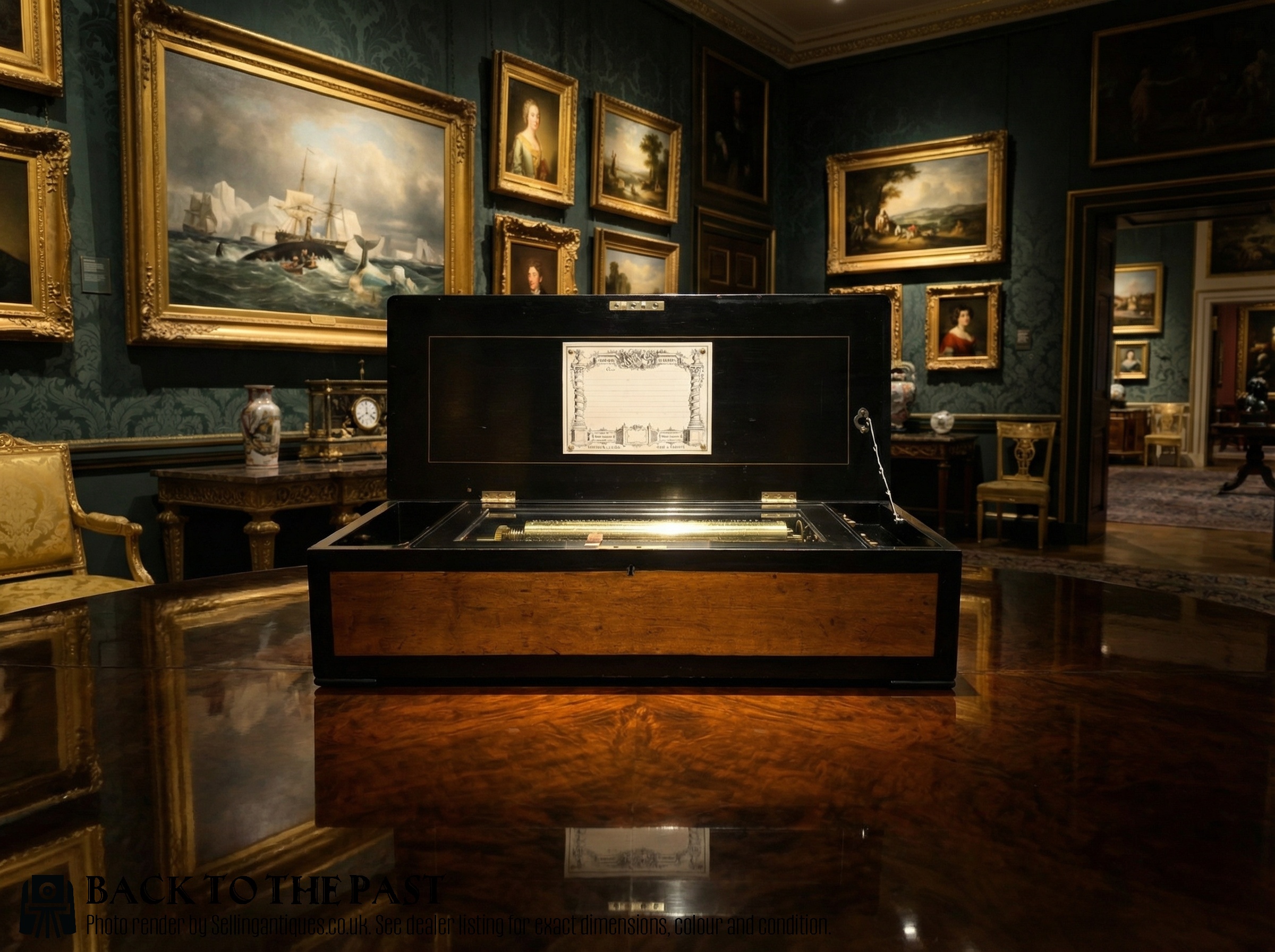
When you search for a mechanical music box, you encounter a variety of antique devices designed to play tunes automatically through pinned cylinders or interchangeable metal discs. The most frequent pieces on this page are Victorian Swiss cylinder music boxes housed in wooden cases.
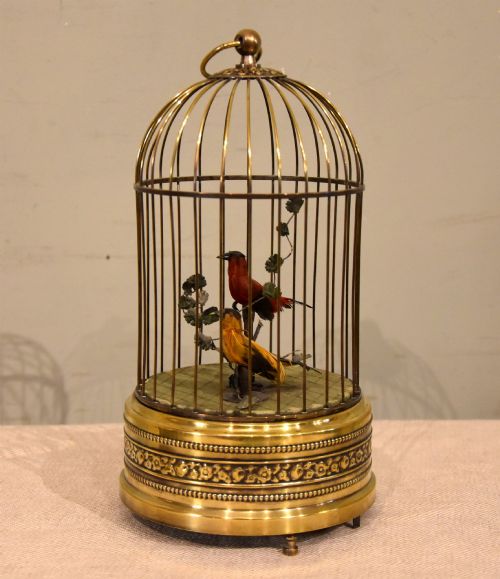
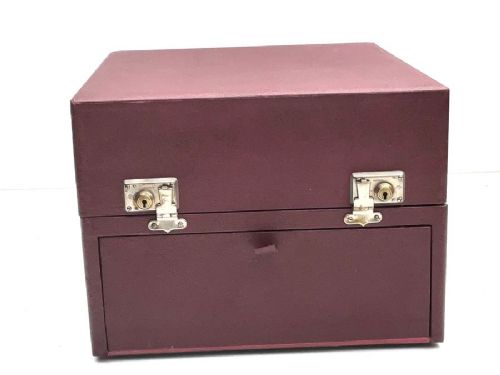
Beyond standard cylinder boxes, the selection includes disc-playing machines like the Symphonium and Polyphon, table top gramophones, and mechanical singing bird automata housed in brass cages or enamel boxes.
Origins stretch from the 19th Century through the Edwardian era and into the mid-century, encompassing Swiss workshops, German makers, and Black Forest production.

How They Were Made
Casework relies heavily on timber, utilising walnut, burr walnut, ebonised wood, and rosewood, frequently enhanced with marquetry inlay and glass panels to protect the internal mechanics.
Internal components combine brass pins, steel combs, and metal discs or cylinders, whilst specialist items incorporate sterling silver and enamel or brass wire for cage structures.
Mechanical Music Box Retail Price Guide 2026
Typical asking prices for mechanical music box among the pieces listed under this phrase on Sellingantiques today, from the lower quarter to the upper quarter. They describe what is for sale here now, not the wider market.
Some singing bird boxes incorporate tiny mechanical bellows that puff out real feathers as they whistle.
What Varies in Quality
The sophistication of the musical arrangement dictates much of the calibre, distinguishing simple single-air cylinders from complex mechanisms playing multiple airs, sometimes accompanied by visible bells or mandolin effects.
The execution of the timber casework and the precision of the marquetry inlay reflect the care invested by the maker, separating standard production boxes from elaborate exhibition pieces.

Karl Griesbaum·Langdorff And Fils·Lochmanns·Nicole Freres·LeCoultre
The Mechanical Music Box Glossary
- Cylinder
- A pinned metal barrel that rotates against a tuned steel comb to produce notes. This forms the core mechanism of traditional Swiss musical boxes.
- Air
- A distinct tune or musical piece played by the mechanism. Boxes often specify the total number of airs they can perform.
- Comb
- A flat piece of tuned steel with teeth that vibrate when plucked by pins on a rotating cylinder or disc. The quality of the steel determines the acoustic resonance.
- Marquetry
- Decorative woodwork created by fitting small pieces of veneer into timber surfaces to form geometric or pictorial patterns. It frequently adorns the lids of walnut and rosewood boxes.
- Automaton
- A mechanical device designed to mimic human or animal movement, such as a singing bird contained within a cage or box.
Mechanical Music Box: Frequently Asked Questions
How do cylinder music boxes work?
A wound spring turns a pinned brass cylinder, causing individual pins to pluck the tuned teeth of a steel comb in a precise sequence.
This creates the melodies, with more complex mechanisms utilising multiple airs and interchangeable components.
What is a disc music box?
Unlike barrel-pinned cylinders, disc machines utilise flat metal sheets punched with holes to encode the musical arrangement.
As the disc rotates, the perforations trigger star wheels that pluck the comb, allowing for easier changing of tunes.
How do I identify the period?
Dating relies on casework styles, mechanical complexity, and documented maker signatures found on the comb or bedplate.
Victorian and 19th Century examples often feature heavy walnut or rosewood cases with detailed marquetry inlay.
Where were these boxes made?
The majority originate from Swiss workshops, though German firms produced notable disc players and the Black Forest region specialised in singing bird automata.
English and European retailers also imported and retailed these mechanisms during the Victorian and Edwardian eras.
How should I care for the movement?
Keep the mechanism clean and free from dust by ensuring the glass or wooden lid remains closed when playing.
Avoid over-winding the spring and consult a specialist for servicing if the combs or governor require adjustment.