
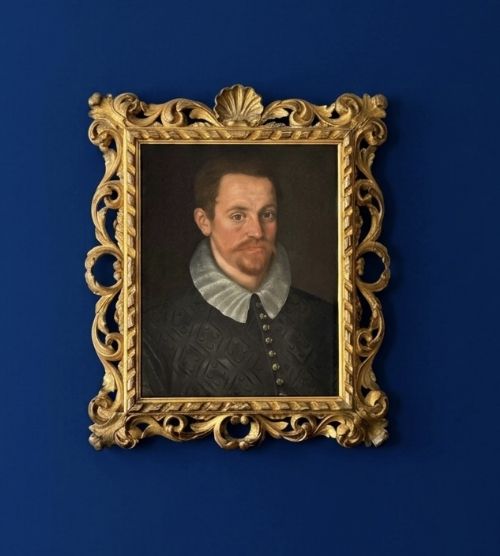
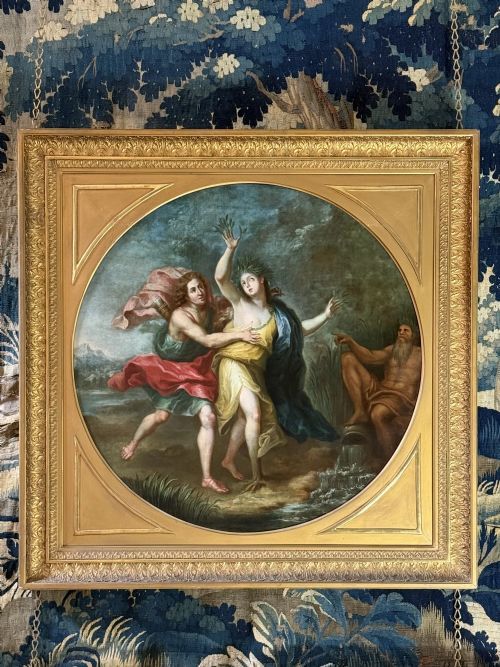
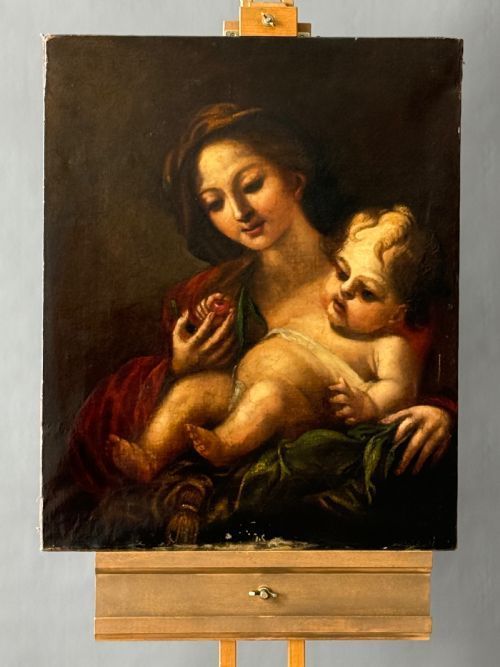
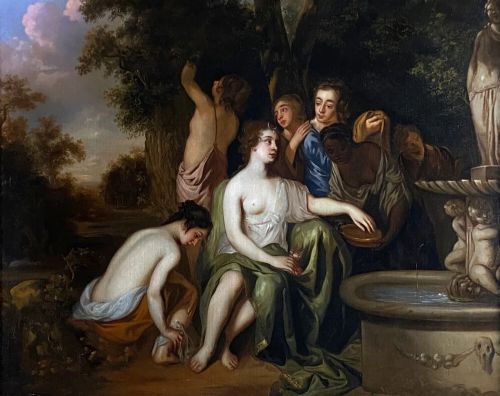
Master Oil Painting Canvas
When you search for master oil painting canvas, you enter a centuries-old tradition of portraiture and narrative art rendered in rich pigments on woven supports.
Master Oil Painting Canvas
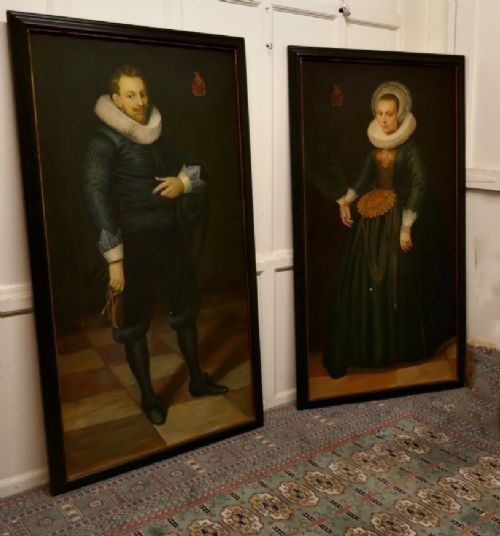
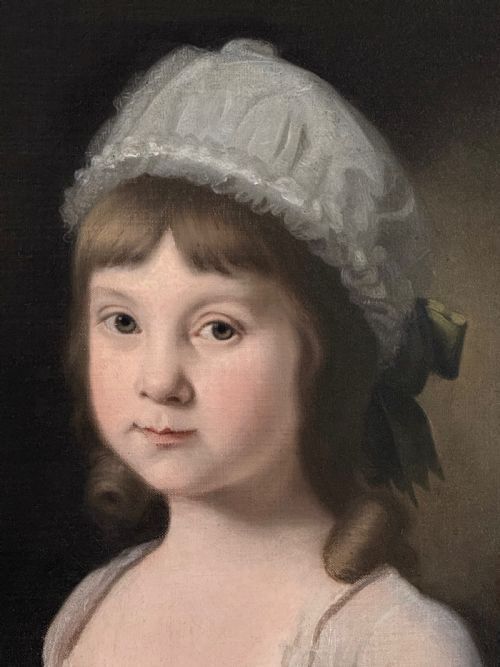
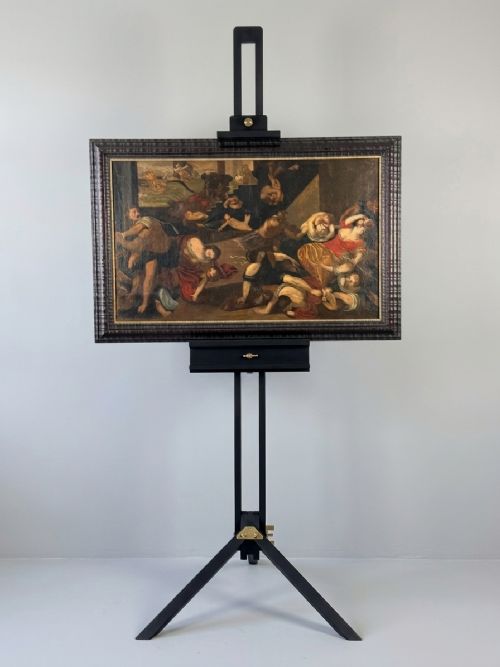
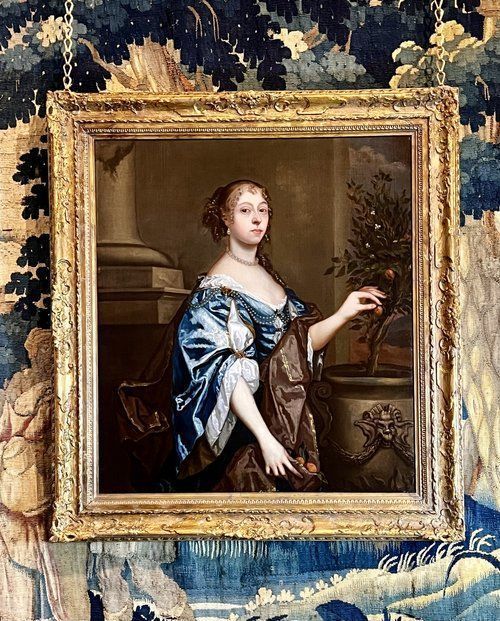
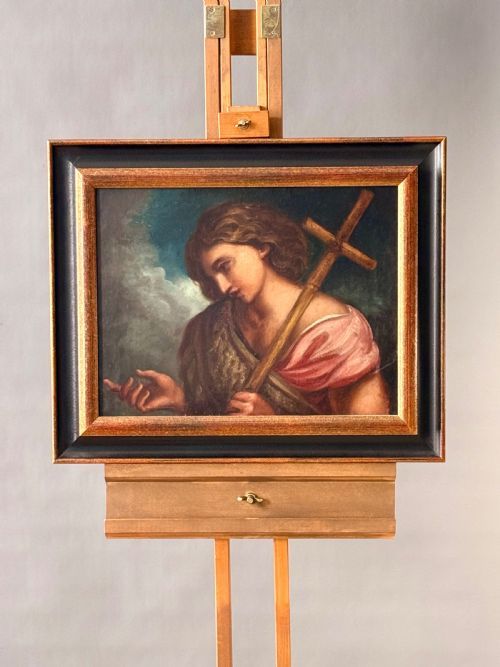
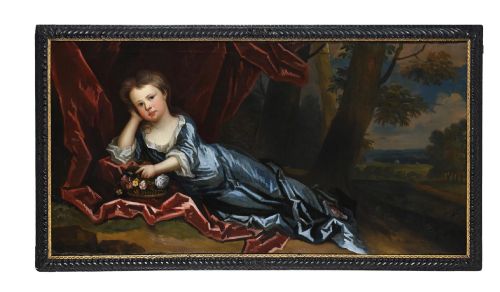
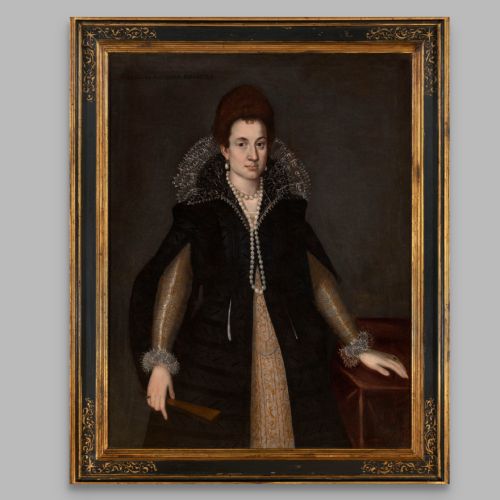
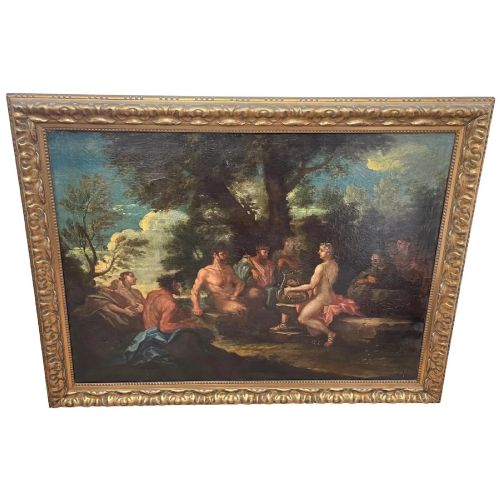
A master oil painting canvas brings centuries of historical portraiture and mythological scenes into a contemporary interior, representing periods from the sixteenth to the nineteenth centuries. These works span Flemish, Dutch, Italian, and French schools, offering substantial insight into European fine art traditions.
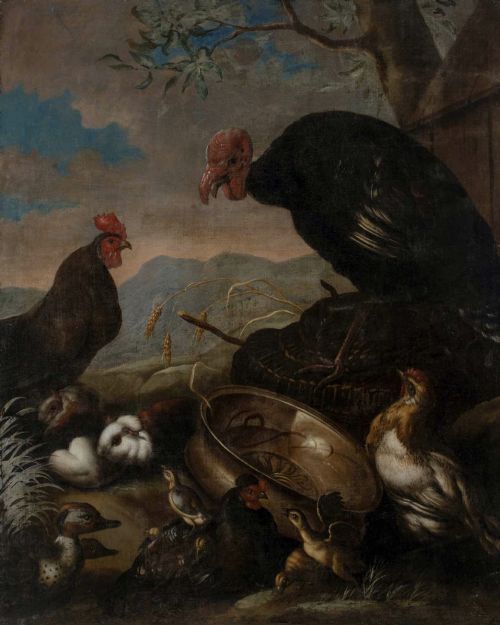
Buyers will most frequently encounter seventeenth and eighteenth-century portraits, still lifes, and classical narratives executed in oil on canvas. Many pieces arrive housed in period frames of giltwood or gesso, completing the historical presentation of the artwork.
How they were made
Artists built these works using oil paint applied to woven canvas supports stretched over wooden frames, often employing rich layers of pigment to achieve depth and luminosity. Many pieces are set within carved giltwood or gilt gesso frames embellished with gold leaf.
Techniques range from meticulous Dutch Golden Age realism to expressive brushwork found in Italian and French school compositions. Historical methods sometimes reveal pentimenti, where earlier compositional choices show faintly beneath the final surface layers.
Several seventeenth-century canvases quietly preserve the incidental paw prints of studio cats wandering across drying paint.
What varies in quality
The distinction between a workshop piece and a work by a named master lies in the precision of the drawing, the anatomical conviction of figures, and the subtlety of light handling. Superior canvases demonstrate confident handling of drapery, texture, and facial expression.
Preservation of the original paint surface and the integrity of the canvas weave significantly influence the visual impact of the artwork. The harmony between the painting and its period frame also contributes to the overall standing of the piece.
Charles-Antoine Coypel·Sir Peter Lely·Joshua Reynolds·Angelo Maria Crivelli·Pieter Borsseler·Charles D'Agar·Pietro Fachetti·Bernardino Luini·Toussaint Gelton·Gaspar Peeter Verbruggen·David Teniers·Adriana Verelst·Anthony Van Dyck·Frans Hals·Godfried Schalcken·James Maubert·John Riley·John Closterman·Frans Snyders·Jacob Huysmans·Gudrun Sibbons
The Master Oil Painting Canvas Glossary
- Pentimento
- An alteration in a painting evidenced by previous strokes or shapes showing through the top layer of paint. This phenomenon often reveals the artist changing their mind during the creative process.
- Giltwood
- Wood that has been coated with gold leaf or gold paint to create a decorative, metallic finish. Frames from the seventeenth and eighteenth centuries frequently utilise this technique.
- Old Master
- A term applied to European painters of skill working before about eighteen hundred. These artists typically belonged to recognised guilds or academies.
- Still Life
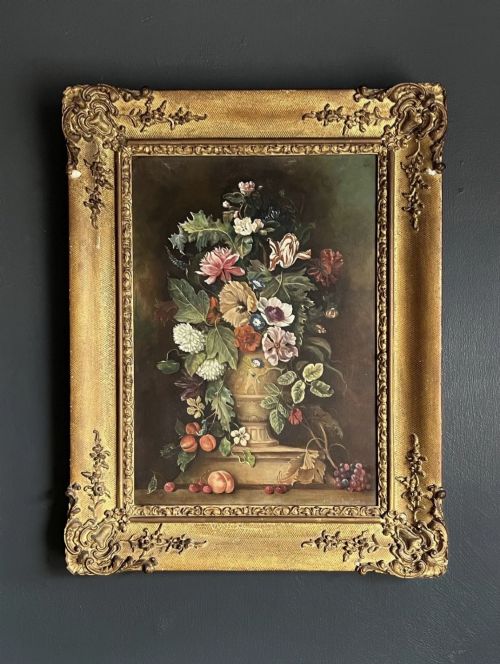
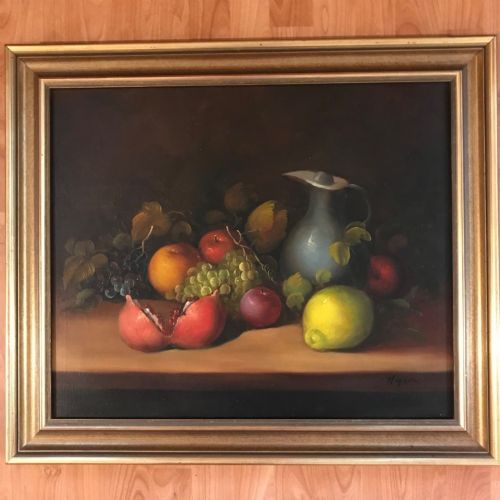
- A painting depicting inanimate subject matter, such as fruit, flowers, or household objects. In seventeenth-century Dutch works, these compositions often carried symbolic meanings.
- Gesso
- A plaster-like mixture used as a base coat for fine art frames before gilding. It provides a smooth surface for carving and applying gold leaf.
Master Oil Painting Canvas: Frequently Asked Questions
How do I identify a seventeenth-century canvas?
Examination of the canvas weave, stretcher frame construction, and preparation layers helps determine the age of the support. Stylistic conventions of the period provide further clues regarding origin.
Pigment analysis and the presence of craquelure across the oil paint surface also assist in confirming the historical period of execution.
Where should I hang a large still life?
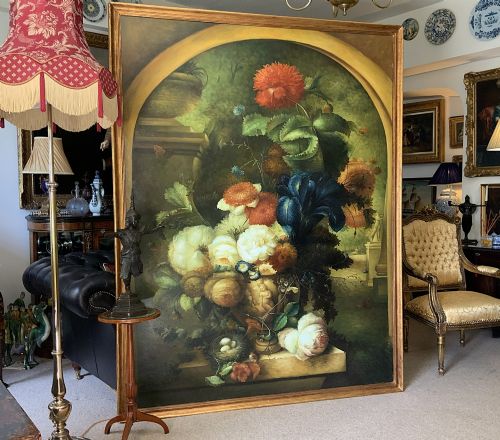
These monumental compositions suit principal reception rooms or dining spaces where adequate wall space allows the piece to command the room. Ensure the location avoids direct sunlight to protect the pigments.
Pairing the canvas with traditional interior decor helps integrate the heavy gilt frame into the living environment.
What does attribution to a circle mean?
Attribution to a circle indicates the work was produced by an unidentified artist working closely in the style and workshop of a master. These pieces share technical and aesthetic traits with the named painter.
Such works offer an accessible entry point into collecting period fine art without carrying the documentation of a signed masterwork.
How do I care for an antique oil painting?
Maintain stable room temperature and humidity levels to prevent the canvas from slackening and the oil paint from cracking. Avoid touching the painted surface directly with bare hands.
Dust the frame and canvas surface gently with a soft, dry brush without applying pressure to the pigment layers.