



Italian Master Oil Painting
An italian master oil painting brings centuries of European narrative, portraiture and religious devotion directly into a room through canvas and pigment.
Italian Master Oil Painting
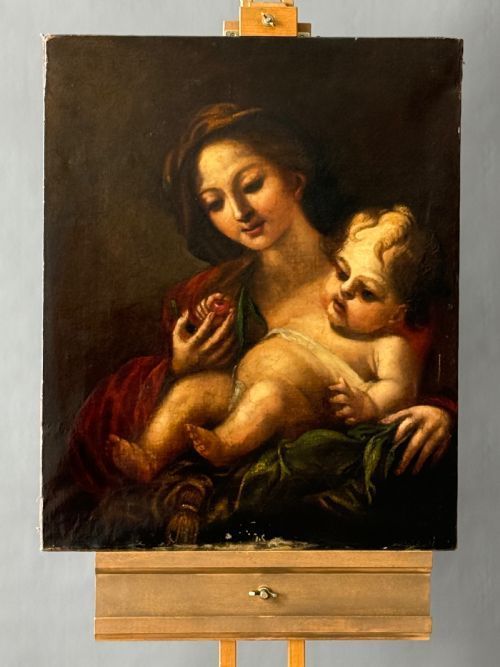
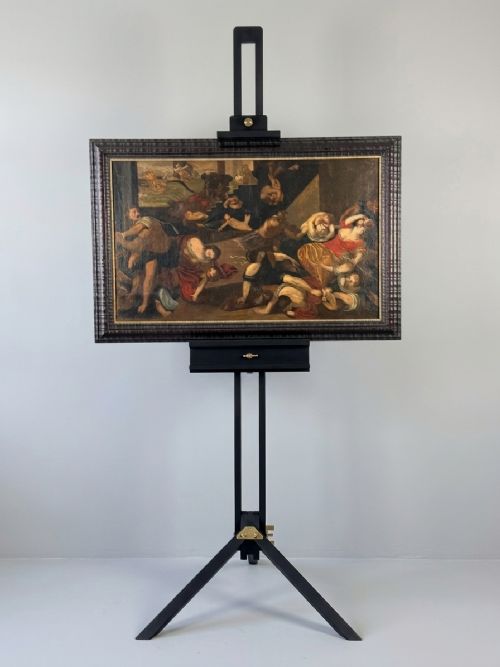
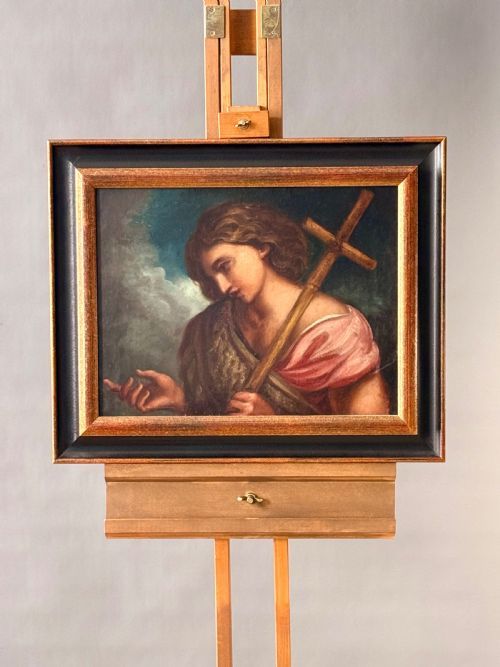
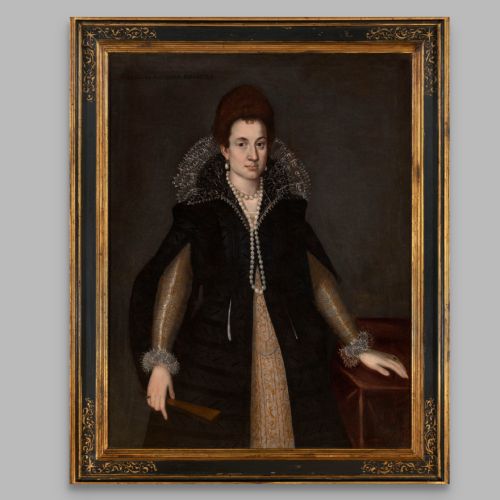
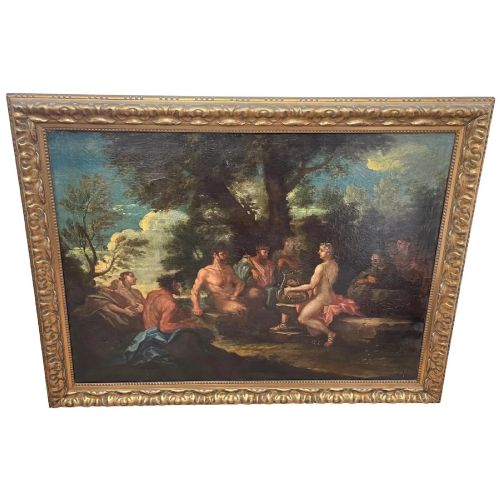
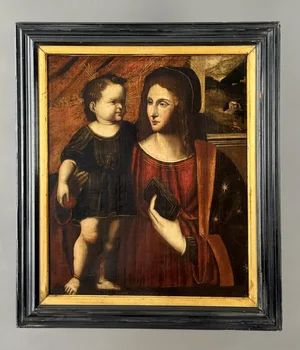
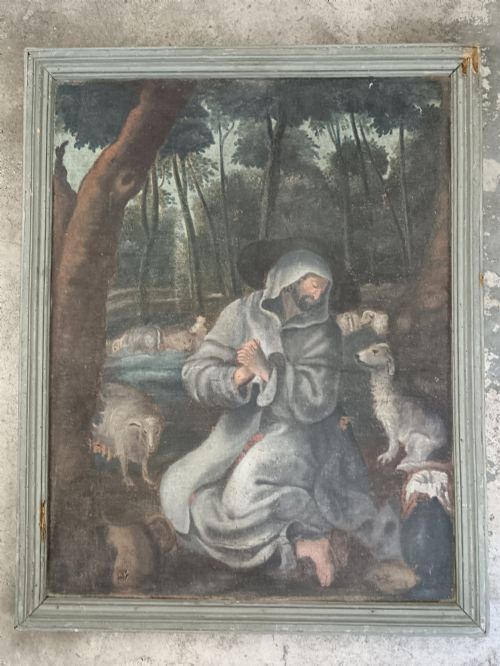
When you search for an italian master oil painting, you encounter works spanning from the sixteenth century through the nineteenth century, encompassing regional traditions such as the Emilian, Romagnola and Genoese schools. The selection on this page centres heavily on religious iconography, including depictions of the Madonna and Child, holy families and biblical scenes, alongside classical mythology and portraiture. Many canvases capture original compositions by named artists, while others represent period copies, workshop productions or follower pieces created after major figures like Raphael, Correggio and Guido Reni.
The physical scale of these pieces varies considerably, from intimate devotional panels to large decorative canvases designed for substantial architectural spaces. Period framing in giltwood or carved wood frequently accompanies the art, maintaining the historical integrity of the presentation. Collectors encounter both highly finished cabinet pictures and looser portrait studies that reveal the working methods of historical European painters.
Materials and Technique
The primary vehicle for these works is oil paint applied to woven canvas supports, though wooden panels also appear among earlier examples. Painters built up their compositions using ground pigments suspended in drying oils, allowing for rich tonal gradations, subtle glazing and deep shadows. Gold leaf and gilded wood frequently form the embellishments of the accompanying frames, complementing the warm palettes found within the painted surfaces.
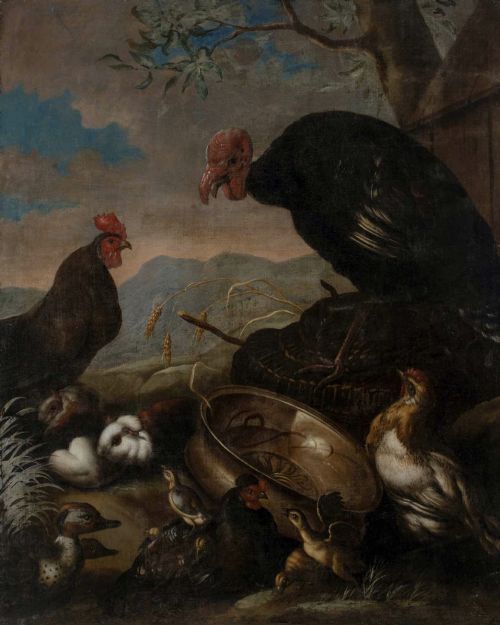
Subject matter across the inventory ranges from portraits of noblewomen and popes to intricate still lifes of birds and castle ruins.
Distinctions in Execution
Quality in these historical paintings rests primarily on the sureness of the brushwork, the anatomical conviction of the figures and the depth of the narrative expression. Masterworks and direct studio pieces display confident handling of light and shadow, particularly in facial modelling and drapery folds, whereas lesser examples rely on stiffer, more formulaic execution. The survival of the original painted surface, the stability of the canvas and the presence of period-appropriate giltwood framing also influence the standing of an individual work.
Angelo Maria Crivelli·Pietro Fachetti·Francesco Solimena·Raffaello Sanzio·Antonio Allegri·Bartolomeo Schedoni·Scipione Pulzone·Gian Lorenzo Bertolotto·Rosso Fiorentino·Francesco Albani·Guido Reni·Antonio Tempesta·Pietro D'asaro·Pompeo Batoni·Girolamo Dai Libri·Willem Johannes Martens·Giacomo Nani·Salvator Rosa
The Italian Master Oil Painting Glossary
- Old Master
- A European painter of skill working before about eighteen hundred, or a painting by such an artist. These works form the bedrock of historical fine art collecting.
- Pentimento
- An alteration in a painting evidenced by previous strokes, showing where the artist changed their mind during the composition. This phenomenon often confirms the age and authenticity of a historical canvas.
- Giltwood
- Wood that has been coated with a thin layer of gold leaf or gold paint. This finish frequently adorns the elaborate frames housing period canvases.
- Provenance
- The chronological record of ownership of a work of art, helping to establish its authenticity and history. A clear lineage adds considerable context to older paintings.
- School
- A group of artists working in a particular region and style during a shared period, such as the Emilian or Genoese schools. These designations help art historians group stylistically linked works.
Italian Master Oil Painting: Frequently Asked Questions
What is an old master painting?
An old master painting is a fine art work created by a European artist before the nineteenth century. These pieces encompass religious narratives, portraits and landscapes.
Such works reflect the technical standards and stylistic conventions of specific regional schools across Italy and broader Europe.
How do you date an old canvas?
Dating relies upon examining the weave of the canvas, the composition of the ground layers and the chemical makeup of the pigments. Stylistic clues within the clothing and hair of portraits also provide chronological markers.
Associated framing often offers additional evidence regarding the period when the painting was housed or displayed.
What does after an artist mean?
The phrase indicates that the painting is a period copy or interpretation based on a well-known composition by a master painter. These works were often created by students, followers or later copyists.
Such pieces allowed patrons to own versions of famous imagery when the original works remained in public or royal collections.
How should I hang an oil painting?
Historic canvases require stable indoor environments away from direct sunlight and rapid humidity fluctuations. Proper wall fixings must support the combined weight of the heavy wooden stretcher and the giltwood frame.
Positioning the work at eye level allows the viewer to appreciate the fine brushwork and surface details.