
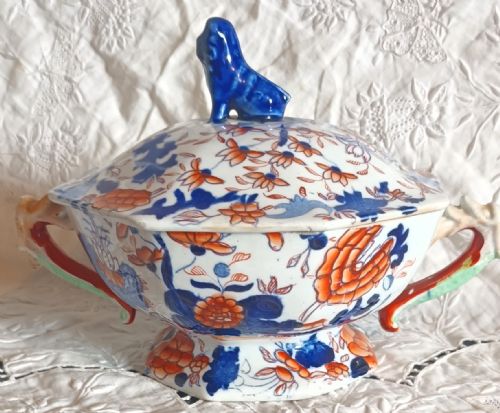
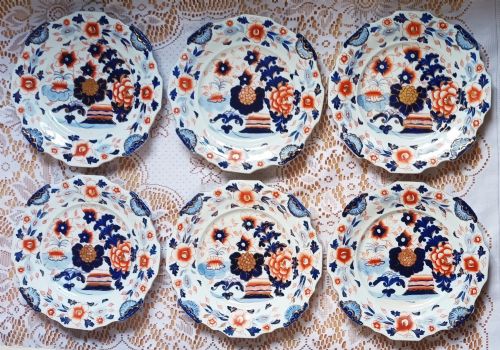


Masons Imari Pattern
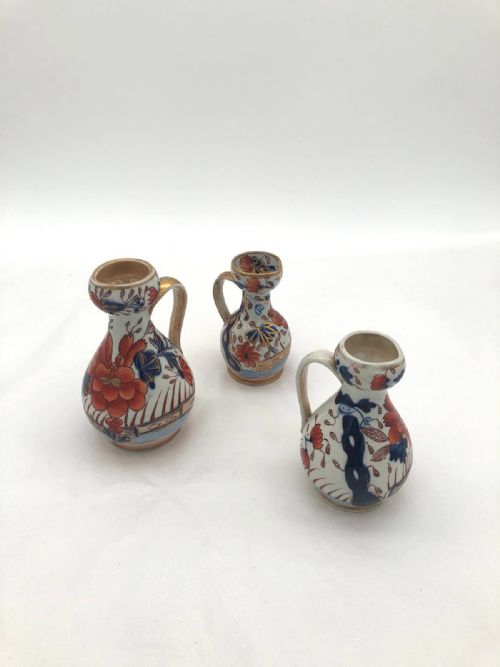
These masons imari pattern pieces combine heavy ironstone ceramic with vibrant enamel and gold leaf.
Masons Imari Pattern
When you search for masons imari pattern, you encounter nineteenth-century ceramic tableware and decorative vessels. The selection includes plates, tureens, jugs, and vases produced during the Georgian and Regency periods.
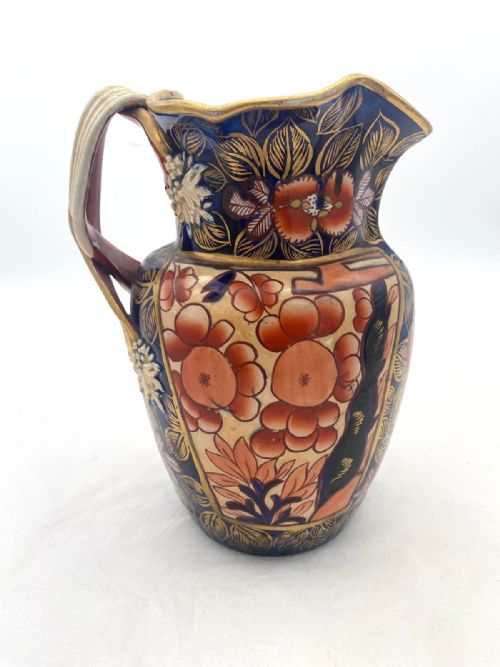
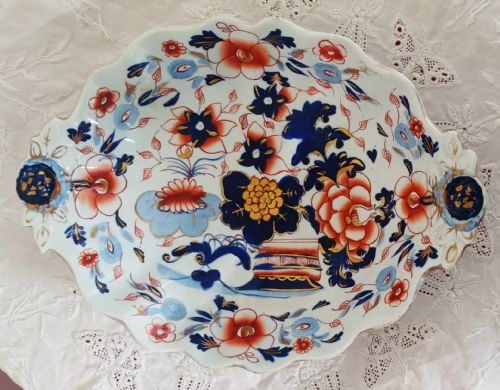
Most items follow established forms like the Hydra jug or low comport, alongside covered bowls and service dishes. These wares served functional dining purposes while displaying rich decorative schemes.
Makers utilised ironstone china to create durable bodies capable of supporting complex patterns. The designs draw inspiration from eastern aesthetics translated through English ceramic traditions.
How they were made
Production relied on ironstone ceramic bodies moulded into sturdy vessels and tableware. This dense material provided a stable foundation for applied decoration and repeated firing.
Glaze and enamel colours were combined with gold leaf or gilt details to create the distinctive palette. Artisans painted motifs including schoolhouse, fence, and Japanese-inspired patterns directly onto the ceramic surface.
Grasshoppers, elephants, and water lilies occasionally share ceramic table space with traditional fence and schoolhouse motifs.
What varies in quality
The crispness of the transfer printing and the precision of the hand-applied enamel work distinguish finer examples. Superior pieces maintain rich gold leaf application and sharp definition across complex decorative motifs.
Subtleties in the moulding of handles and spouts, particularly on Hydra jugs and tureens, indicate the care taken during production. Weight, glaze consistency, and the preservation of original gilding further separate the output.
Masons Patent Ironstone
The Masons Imari Pattern Glossary
- Ironstone
- A heavy, durable ceramic perfected in the nineteenth century. It resists chipping better than soft-paste porcelain while accepting dense enamel decoration.
- Imari
- A decorative style characterised by cobalt blue, iron red, and gilt ornamentation. English potteries adapted these traditional Japanese colour schemes for domestic tableware.
- Hydra jug
- A ceramic pitcher featuring a scrolled handle and a characteristic moulded body shape. These vessels appear frequently in nineteenth-century ironstone production.
- Comport
- A raised dish or bowl used for serving fruit or sweets at formal meals. They sit on a central foot or pedestal above the table surface.
- Tureen
- A deep covered vessel designed for serving soup, sauce, or vegetables. Matching ladles and stands often accompany these functional dining pieces.
Masons Imari Pattern: Frequently Asked Questions
What is masons imari pattern?
These items are nineteenth-century ironstone ceramics decorated with traditional Imari colour palettes and patterns. They include plates, jugs, tureens, and decorative vessels produced in England.
Potters applied cobalt blue, iron red, and gold leaf over durable ceramic bodies. The resulting wares combine functional utility with vibrant ornamental designs.
How do I date these pieces?
Dating relies on stylistic markers, patterns, and manufacturing periods such as the Georgian or Regency eras. Archive records and listed items generally point to nineteenth-century production.
Specific pattern names like schoolhouse or grasshopper, combined with the weight and colour of the ironstone body, help narrow the timeframe.
How were these ceramics used?
Original uses centred on formal dining, food service, and interior decoration. Tureens held soups or vegetables, while jugs served water and milk.
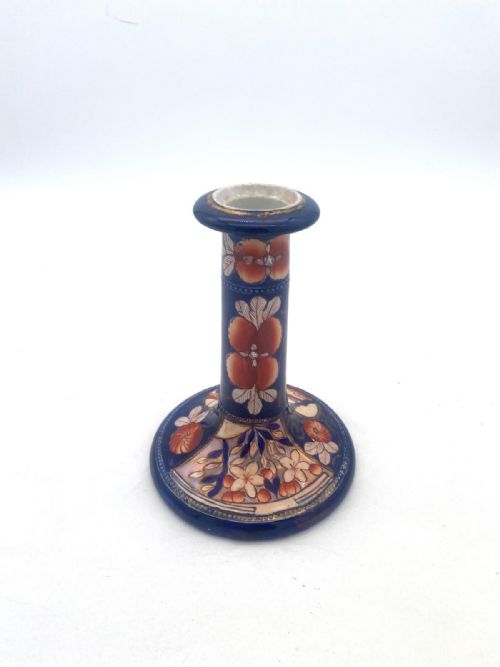
Pot-pourri vases and candlesticks fulfilled decorative functions within nineteenth-century domestic interiors. Many pieces formed part of larger dinner services.
How do I care for ironstone?
Care requires gentle hand washing in warm water without abrasive cleaners. The enamel and gold leaf decorations demand careful handling to preserve their finish.
Avoiding harsh detergents protects the glaze and prevents damage to the underlying ceramic body over time.