
Marquetry Vitrine Cabinet
Marquetry vitrine cabinets are glazed display furniture decorated with intricate wood inlays, offering a refined stage for treasured possessions.
Marquetry Vitrine Cabinet
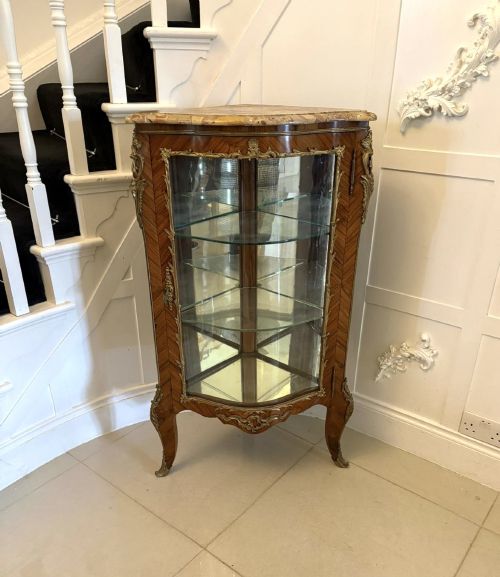
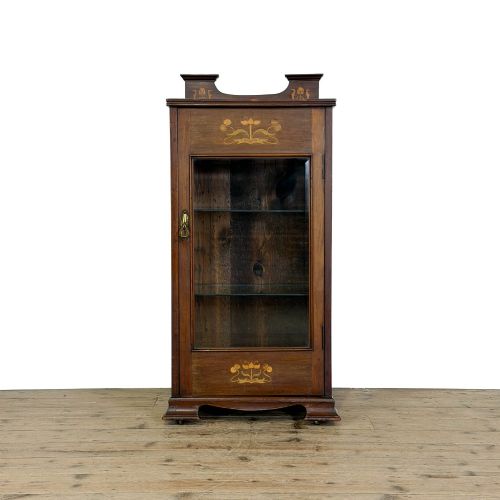
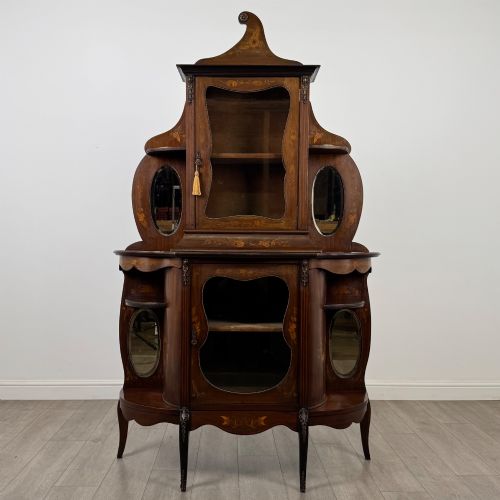
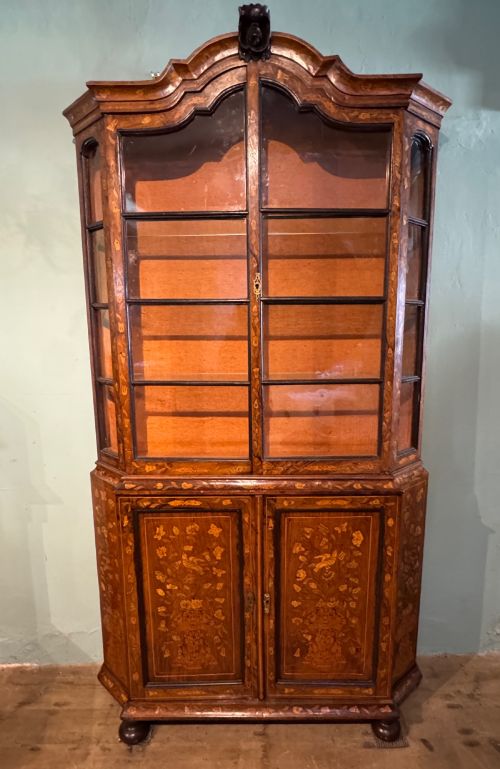
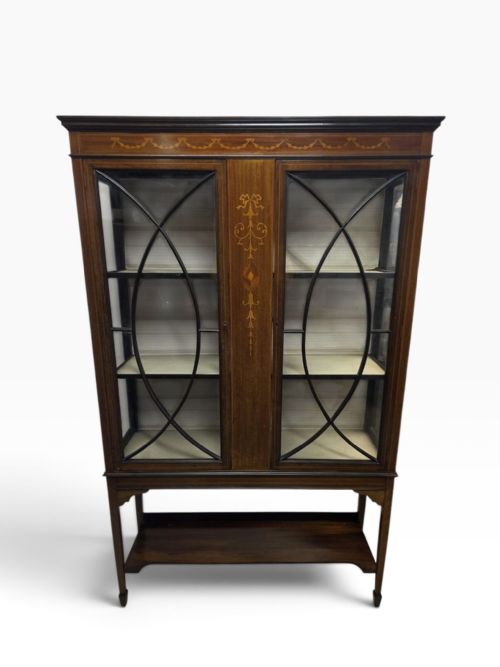
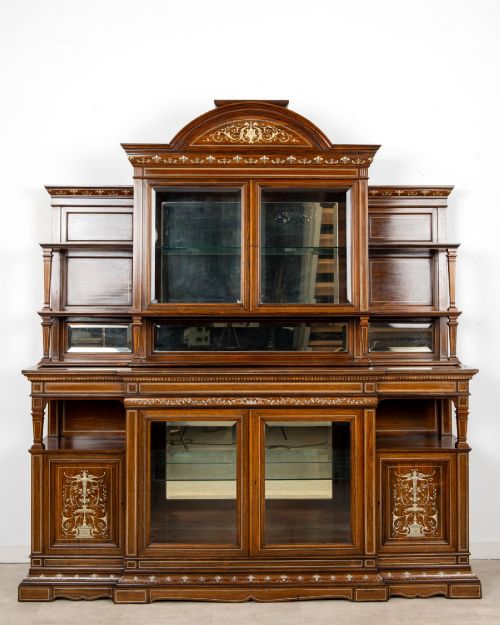
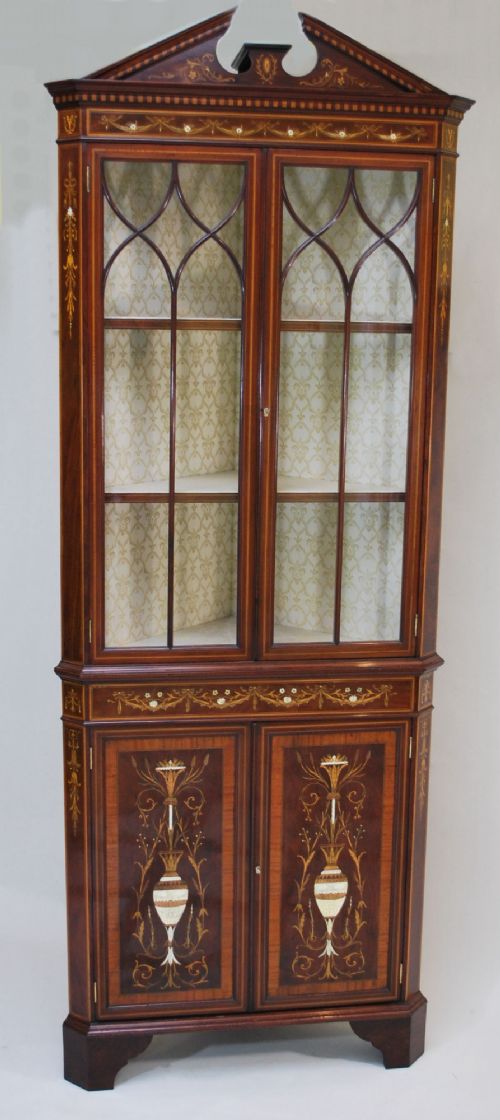
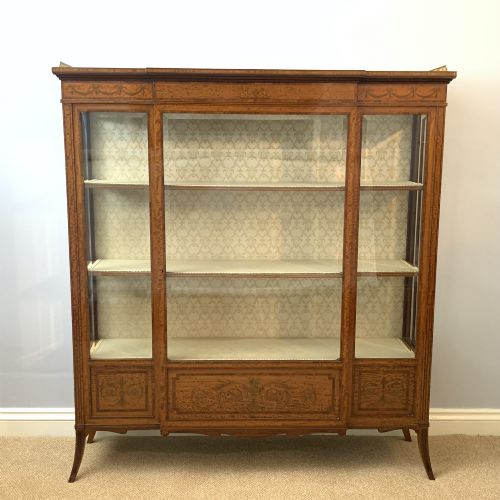
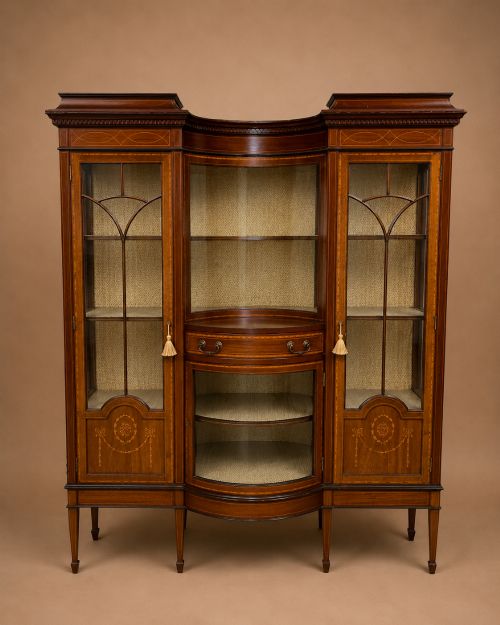
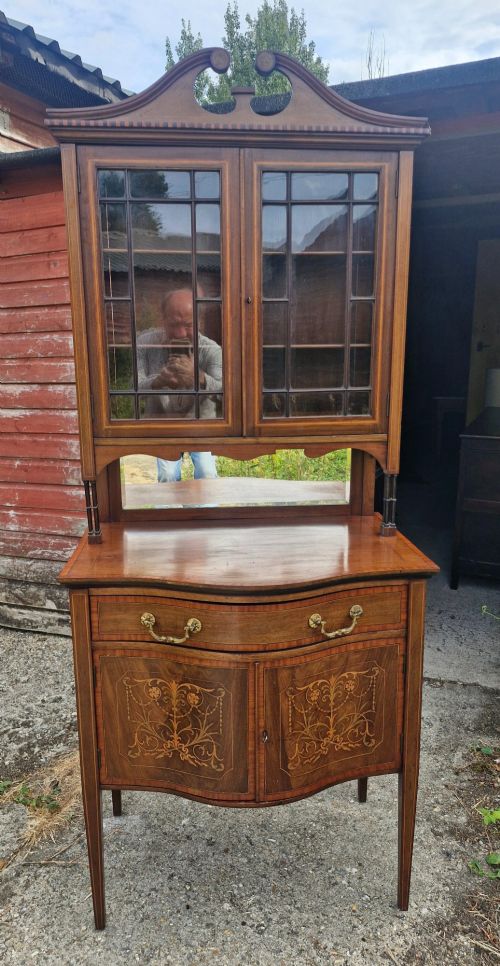
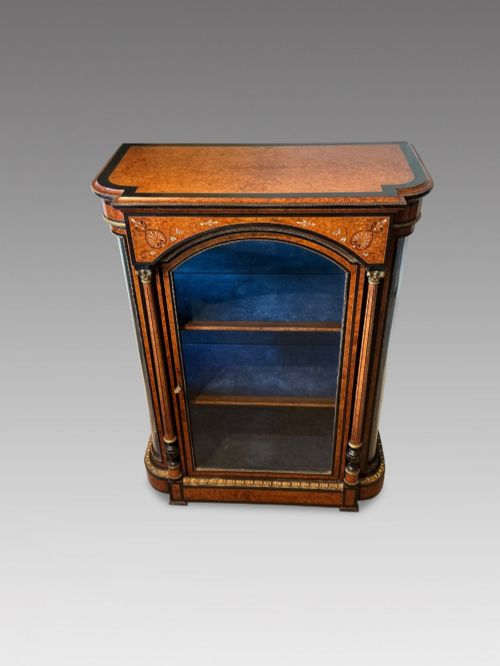
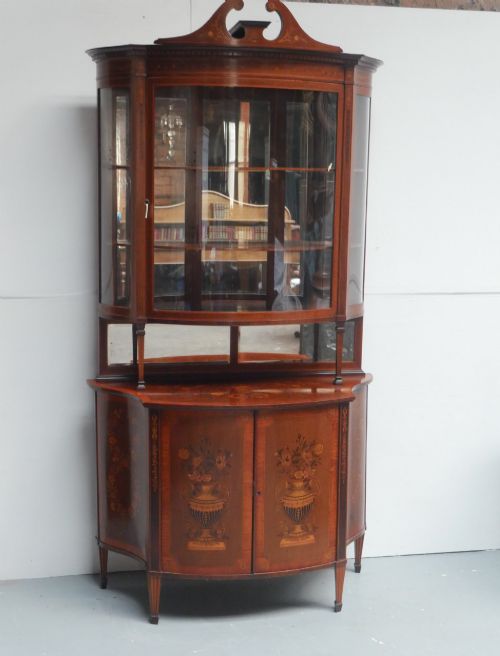
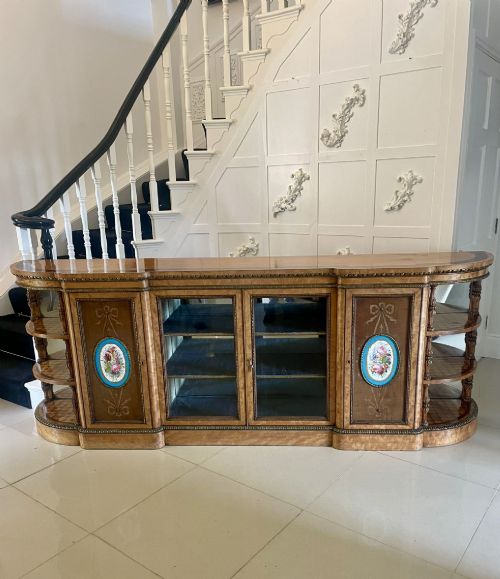
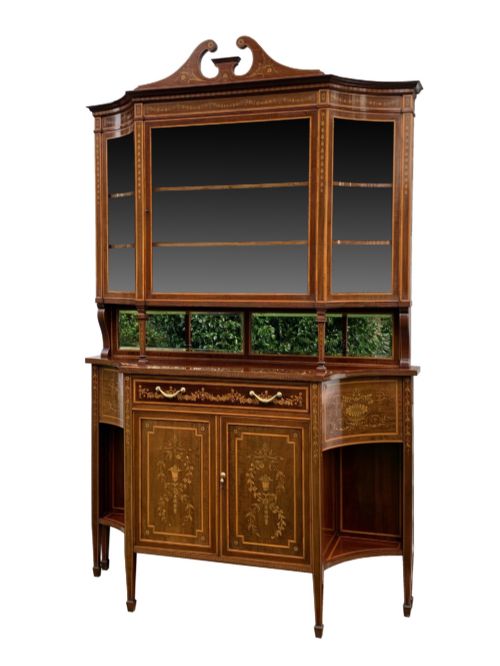
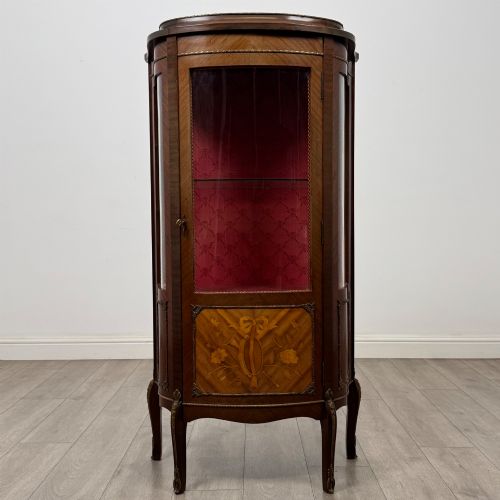
A marquetry vitrine cabinet combines the glazed display function of a vitrine with the pictorial wood inlay of marquetry, creating a striking focal point in a room. When exploring this phrase, buyers encounter various forms including freestanding display cabinets, corner units, wall-mounted cupboards, and two-part bookcase configurations.
The pieces span several distinct periods, with Edwardian and Victorian examples appearing frequently alongside 19th-century French and Dutch iterations. Styles range from Sheraton Revival and Art Nouveau to Louis XV Revival and Dutch Baroque, reflecting diverse historical tastes in interior decoration.
Materials and construction methods
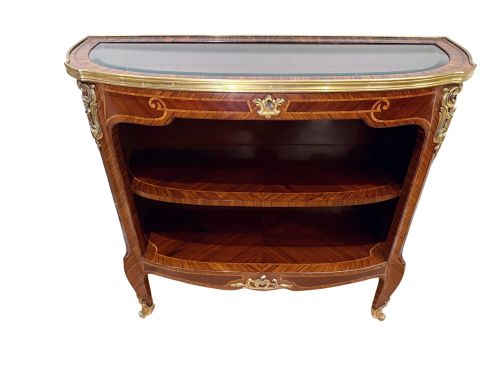
Cabinet makers built the primary carcass using timbers such as mahogany, walnut, satinwood, kingwood, or rosewood, often applying contrasting veneer for the decorative surfaces. Glass panels formed the doors and sides for visibility, while brass, ormolu, and gilt bronze mounts provided structural and aesthetic enrichment.
The marquetry decoration relied on precision cutting of different wood types to form floral or geometric patterns set into the background veneer. Metal hardware, marble tops, and internal fabric linings completed the construction of these elaborate display pieces.
Listings feature mahogany, satinwood, walnut, and kingwood timbers combined with extensive glass glazing.
Assessing quality and craftsmanship
Quality in these cabinets rests upon the precision of the marquetry work and the choice of timbers used for the veneers. Finer pieces demonstrate seamless integration of contrasting woods, crisp botanical or scroll motifs, and substantial timber frames rather than thin surface layers.
The secondary materials and hardware also dictate the standard of the piece, where cast ormolu mounts, heavy glass panes, and marble tops distinguish superior examples. Maker attribution further elevates a piece, as does the complexity of the cabinet shape, such as serpentine fronts or curved corner glazing.
Collinson and Lock·Edwards and Roberts·Maple and Co
The Marquetry Vitrine Cabinet Glossary
- Marquetry
- A decorative technique where thin pieces of wood veneer are assembled to form pictorial patterns or designs on a wooden surface. This craft allows for intricate floral, scroll, or landscape motifs.
- Vitrine
- A glass-fronted cabinet designed specifically for displaying fragile objects or curiosities. The extensive glazing permits light to enter from multiple angles.
- Ormolu
- Gilded bronze mounts applied to furniture for decorative effect, common in French and revival pieces. This material adds metallic contrast to the wooden surfaces.
- Satinwood
- A lustrous hardwood with a yellowish sheen utilised extensively for contrasting veneers and inlay work. It brings brightness and visual depth to cabinet facades.
- Serpentine
- A curved furniture front featuring a convex central section flanked by concave curves. This shaping demands advanced joinery and veneer bending skills.
Marquetry Vitrine Cabinet: Frequently Asked Questions
What are marquetry vitrine cabinets?
These are glazed display cabinets embellished with decorative wood veneers cut into pictorial patterns. They were designed to showcase precious collections and ceramics in formal rooms.
Cabinet makers utilised fine hardwoods as a base for intricate floral and geometric inlays, framing the display areas with glass doors and polished metal mounts.
How do you date these cabinets?
Dating relies on identifying the prevailing style, construction techniques, and timber choices recorded across the 18th, 19th, and early 20th centuries. Victorian and Edwardian iterations often display revival styles referencing earlier French and English aesthetics.
Examining the internal woodwork, glass manufacturing methods, and hinge types helps establish the precise era of manufacture.
Where were they placed originally?
Owners positioned these display pieces in drawing rooms, parlours, and formal reception spaces where visitors could view stored curiosities. Corner cabinets and wall units maximised space in smaller domestic interiors.
Freestanding models acted as central decorative focal points, often matched with other reception room furniture.
How do you care for marquetry?
Maintenance involves protecting the wood veneer from direct sunlight and maintaining stable indoor humidity to prevent timber movement. Gentle dusting with a dry cloth preserves the polished surface.
Avoiding harsh cleaning agents protects both the delicate wood inlays and the surrounding metal mounts from chemical damage.