
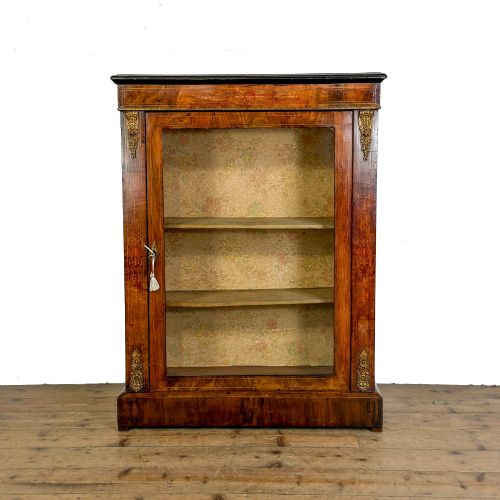
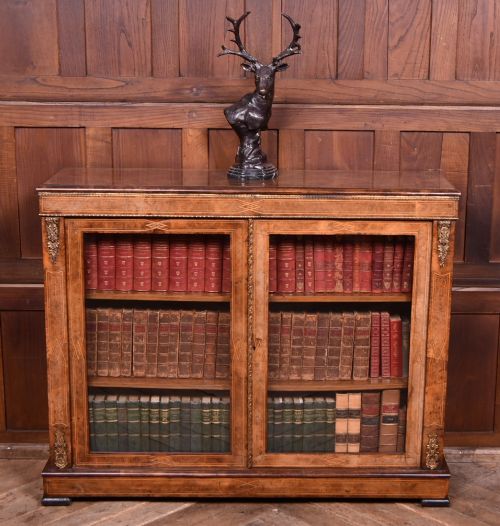
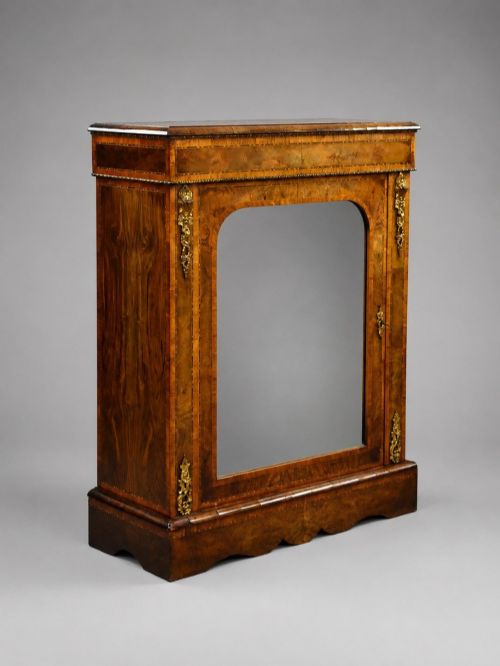
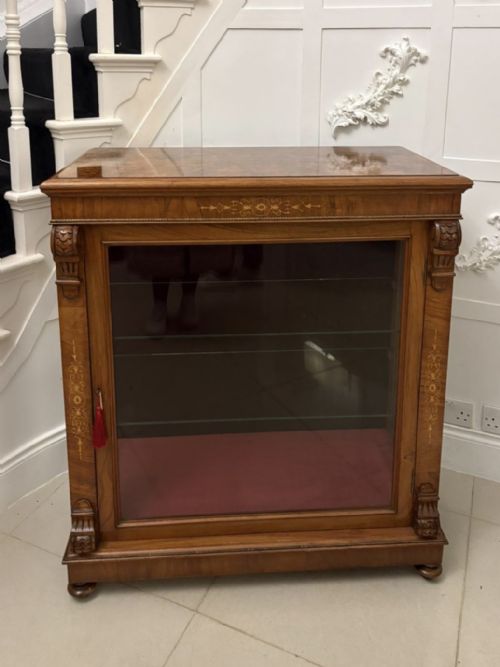
Marquetry Glazed Pier Cabinet
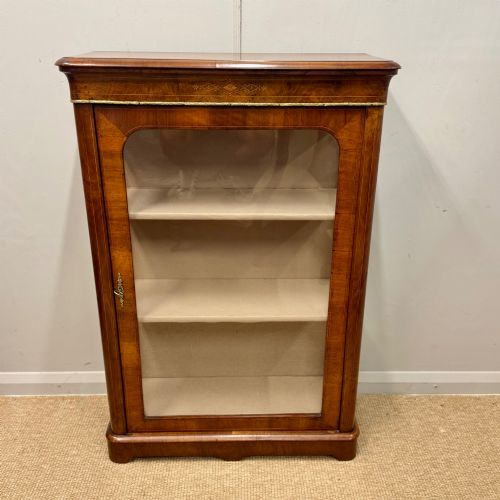
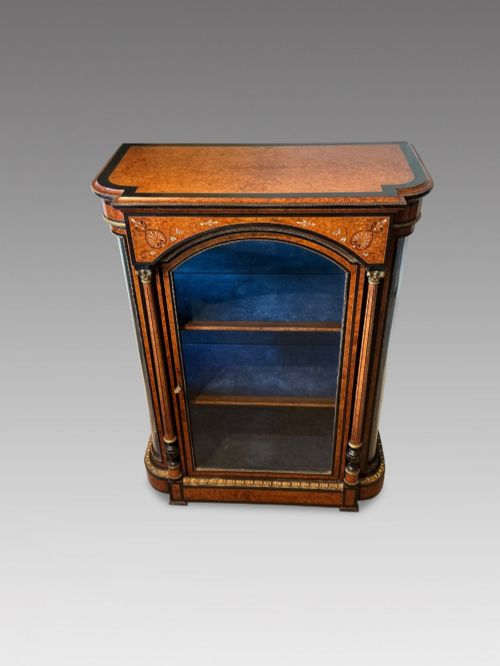
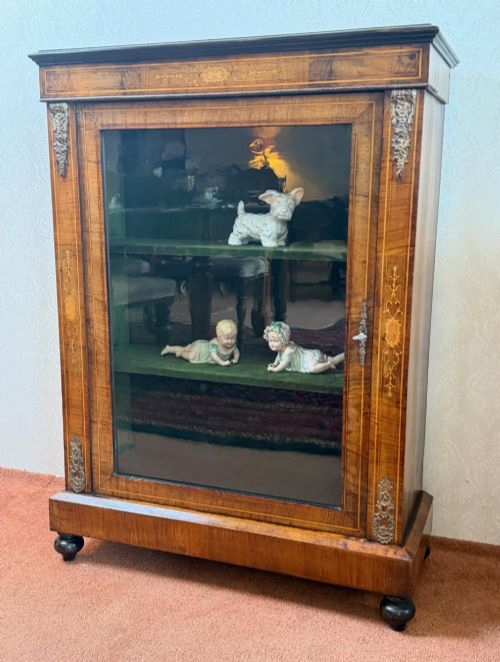
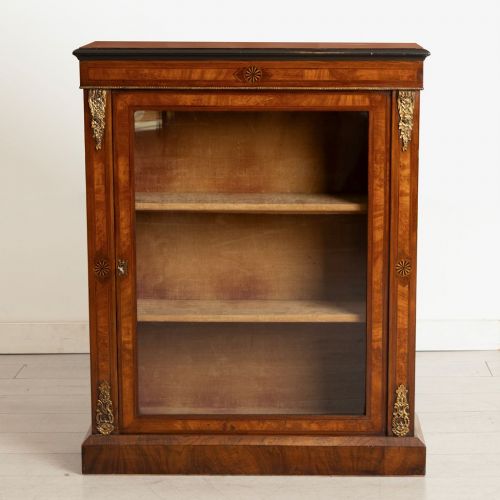
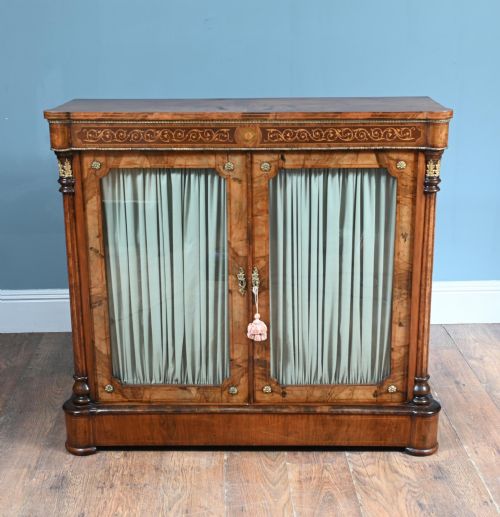
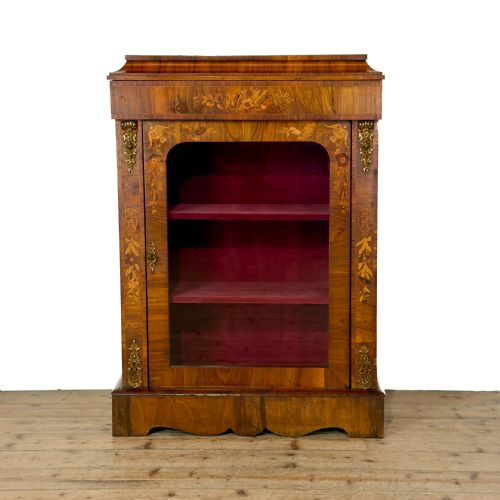
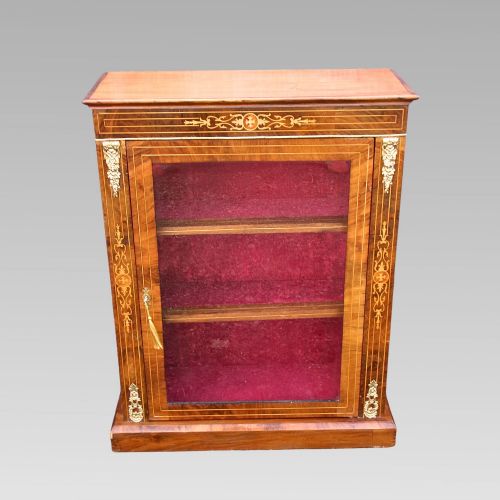
A marquetry glazed pier cabinet is a refined nineteenth-century display piece designed for narrow drawing room wall spaces, combining intricate wood inlays with glass fronts.
Marquetry Glazed Pier Cabinet
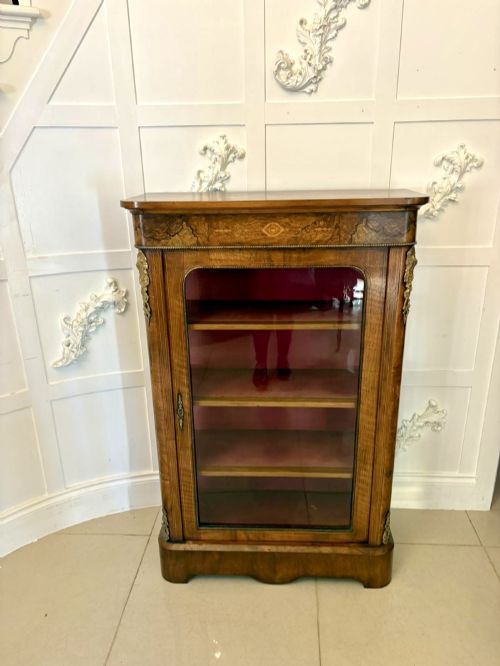
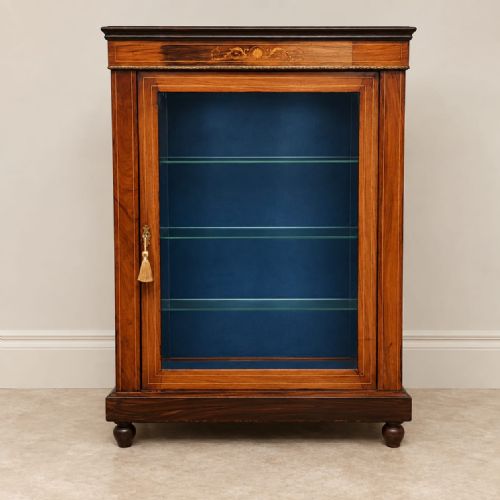
A marquetry glazed pier cabinet is a specialised nineteenth-century form created to stand against the narrow wall section, or pier, between two windows. These pieces are predominantly Victorian creations from the mid to late nineteenth century, though Edwardian examples also appear. Buyers will encounter various timber choices, with walnut and burr walnut forming the majority of the items on this page.
Materials and construction methods
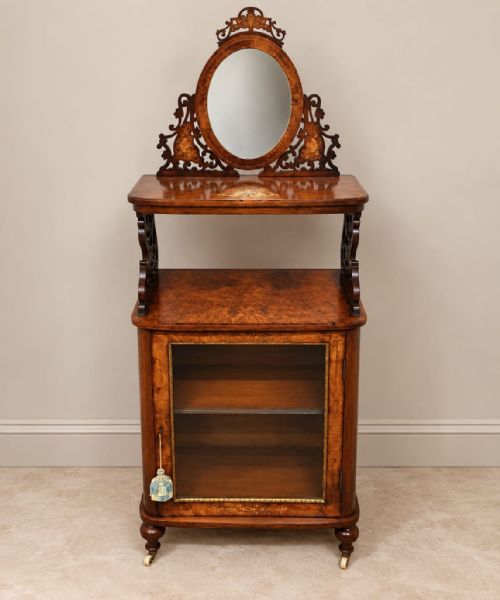
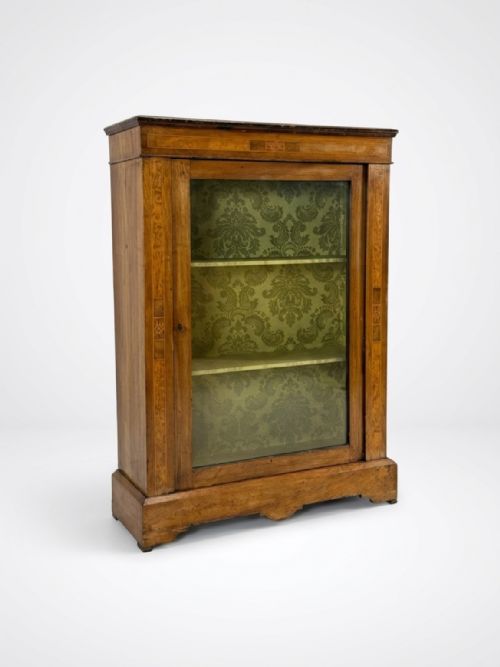
Cabinet makers utilised choice timbers such as walnut, burr walnut, mahogany, and rosewood, frequently applied as veneers over sturdy secondary woods. Marquetry panels incorporate contrasting light and dark timbers, including boxwood and ebony, to form intricate floral or geometric patterns. These wooden surfaces are often paired with cast or chased ormolu mounts that accent the corners and borders.
Glazing techniques of the period required substantial glass panes fitted within slender timber doors, sometimes flanked by ebonised columns or brass detailing. Interiors were lined with textile materials like velvet to cushion displayed objects. Traditional joinery methods secured the carcasses, ensuring stability despite the slender proportions required for placement between architectural windows.
Many Victorian pier cabinets conceal velvet-lined interiors that were specifically chosen to make antique porcelain glow against a dark backdrop.
Understanding quality in cabinet work
The distinction between standard and superior pieces rests upon the crispness of the marquetry and the choice of timber figure. Cabinets utilising highly figured burr walnut or masterfully cut boulle brasswork demonstrate greater ambition from the workshop. Finer items exhibit precise symmetry in their inlays and tighter tolerances in the door fit and hinge placement.
Secondary ornamentation also dictates the tier of quality. Heavy, finely chased ormolu mounts and substantial gilt-bronze accents elevate a piece above those with plain timber mouldings or lesser brass fittings. The depth of colour in the polished wood and the sophistication of the internal lining reflect the original patron's investment.
The Marquetry Glazed Pier Cabinet Glossary
- Marquetry
- Decorative inlay technique using thin pieces of wood veneer to form pictorial or geometric patterns on a surface. It transforms plain timber panels into ornamental focal points.
- Pier cabinet
- A narrow piece of furniture built to fit the wall space between windows. These cabinets maximise vertical display area in limited horizontal footprints.
- Ormolu
- Gilded bronze ornamentation applied to the mounts and feet of furniture. This decorative metalwork adds contrasting texture and metallic sheen to the timber.
- Boulle
- Elaborate marquetry style combining tortoiseshell and brass or pewter inlay, popularised in French furniture. It creates a striking metallic and dark amber surface pattern.
- Crossbanding
- A border strip of veneer laid around the edges of a panel with the grain running perpendicular to the centre. This frames the main wood grain for a finished aesthetic.
Marquetry Glazed Pier Cabinet: Frequently Asked Questions
Where did these cabinets go in a Victorian home?
These cabinets were specifically designed to occupy the narrow strip of wall situated between two drawing room windows. This architectural space, known as the pier, often received little natural light, making the glazed door and reflective glass ideal for brightening the corner.
By placing the cabinet there, homeowners utilised awkward spaces for displaying prized ceramics and small collectibles without obstructing walking paths or heavier seating arrangements.
Can I adjust the shelves inside?
Most nineteenth-century pier cabinets feature fixed shelf supports built directly into the carcass during initial construction. The original interiors were tailored to hold specific heights of porcelain and decorative objects.
Altering the shelf configuration generally requires professional intervention, as the interior linings and wooden supports form an integrated structural part of the display compartment.
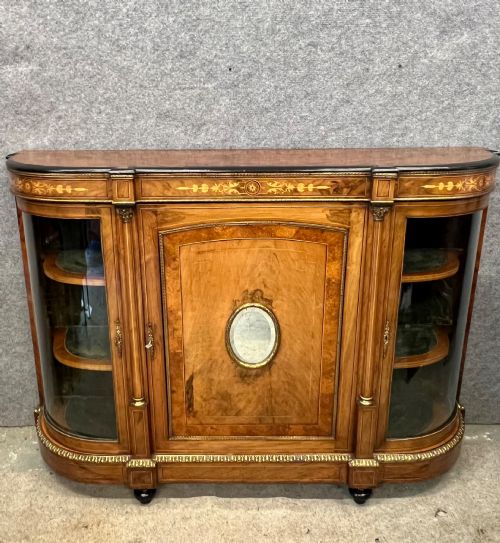
What is the difference between a pier cabinet and a credenza?
A pier cabinet is tall and narrow, built to occupy wall space between windows with a single vertical door. Its footprint prioritises height over width for confined areas.
A credenza is a much broader, lower sideboard style piece, often featuring multiple doors and curved glass ends, designed for larger principal walls in a dining or drawing room.